
Tel:
+86 15680081222
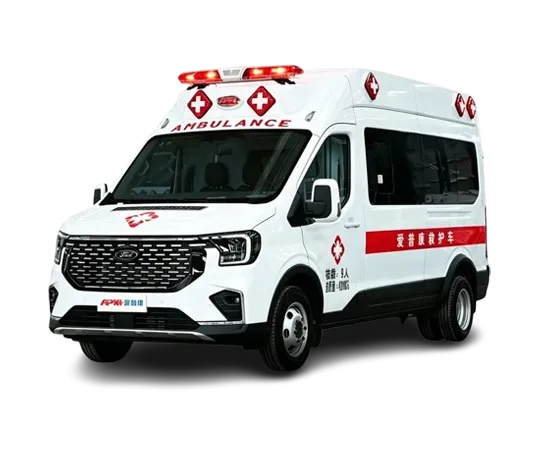
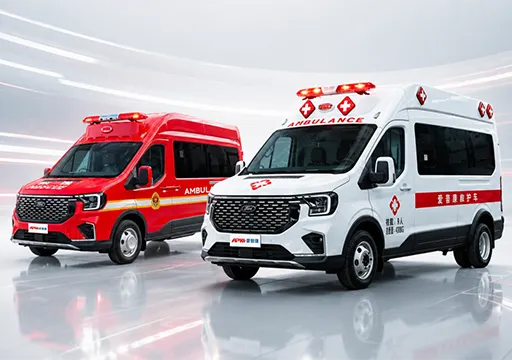
Ambulances play a crucial role in vehicle rescue, transporting patients safely and efficiently to medical facilities. Understanding the various types and classifications of ambulances can help medical professionals, emergency planners, and institutions make informed decisions. From mobile clinic vans to advanced life support ambulances, each type serves specific functions and suits particular scenarios. In this article, we explore different ambulance types, their characteristics, and how they cater to varying medical needs, including insights on ambulance trucks for sale and medium duty ambulance options.
Ambulances are essential emergency vehicles providing pre-hospital care and bls emergency transport for many situations. They come in different forms based on their design and function. The common types include type I ambulance, type II ambulance, type III ambulance, and specialty ambulances like mobile medical vans. Choosing the right ambulance depends largely on the mission requirements, such as patient care level needed, mobility features, and storage options.
| Ambulance Type | Description | Deployment |
|---|---|---|
| Type I Ambulance | Truck-based chassis, provides basic life support (BLS) | Rural and urban areas |
| Type II Ambulance | Van-based, for efficient transport and rapid response | Urban settings |
| Type III Ambulance | Modified van cabin with integral body | Comprehensive medical transport |
| Mobile Medical Van | Outfitted with treatment facilities onboard | Public health initiatives |
When purchasing emergency vehicles for sale, understanding these configurations helps ensure optimal resource allocation and patient care outcomes.
While type I ambulances are built on a truck chassis, providing robust options for emergency situations, type II ambulances are typically van-based, focusing on agility and rapid transport. Type I ambulances are favoured in environments needing a rear load trash truck capacity for equipment, excellent for mountainous terrains. On the other hand, type II ambulances, akin to a bus with wheelchair lift in concept, emphasize maneuverability, often used for urban environments.
Type I ambulances often feature central alarm systems, specialized for heightened emergency medical technician equipment handling. They are suitable for long-distance transport where manual resuscitation bags and IV infusion pumps for sale are critical. However, type II counterparts prioritize CPR valve masks convenience and quicker access in city conditions, such as during a vehicle rescue.
Type III ambulances signify a balance between types I and II, providing integrated patient care systems similar to mobile clinic for sale setups. Their cabin design offers improved mobility to handle demanding medical situations. Equipped with sophisticated medical infrastructure, such as infusion pumps for sale and suction aspirators, they cater to advanced life support ambulance needs.
These ambulances are preferred for practices that require comprehensive medical support during transport, including manual suction device capabilities and portable infusion pump usage. Their infrastructure can support medium duty ambulance functions efficiently, promoting superior field performance.
Ambulances are often categorized under two primary classifications based on their capacity and requirements: Category 1 ambulances, serving high-risk, life-threatening situations, and Category 2 ambulances, providing an efficient response to non-critical circumstances.
Category 1 ambulances are notably equipped for optimum performance disabilities, like those seen in k9 police car tasks, equipped with lifesaving gear including ems stretchers and emergency medical technician equipment. They are aligned with BLS transport meaning, focusing on life preservation.
Category 2 ambulances are suited for acute medical situations with necessary facilities for acute care, such as soft stretchers, mimicking a rear loader garbage truck loading mechanism for patient and equipment transport.
A medium duty ambulance reinforces reliability in all operational conditions, balancing the functionalities of lightweight and heavy-duty ambulances. The medium duty ambulance for sale segment offers enhanced features found in als ambulance meaning vehicles, but with added rv range capabilities, ensuring exceptional performance in varied terrains.
Typically designed to accommodate extensive equipment like ems vehicles and ambulance stretchers for sale, these ambulances excel in handling larger patient groups. Their comprehensive configuration supports emergency medical technician equipment implementation with provisions for manual suction device accessibility, promoting tactical efficiency.
Exploring such ambulance options imparts a well-rounded understanding of how mobility scooter transport is integrated into medium-duty setups, influencing decision-making in emergency care delivery.
Understanding the different kinds of ambulances and their respective features empowers medical professionals and institutions to make informed choices. Selecting the appropriate ambulance—from lightweight quick-moving units to robust comprehensive patient care vehicles—ensures effective emergency vehicles for sale decisions. The detailed categorizations aid in strategizing for diverse medical and rescue scenarios, encompassing great solutions for medium duty ambulance requirements, enhancing patient care quality significantly.
For deeper insights, referenced materials used in crafting this article are available through the following links: