



Tel:
+86 15680081222
In the realm of emergency medical services, Advanced Life Support (ALS) plays a crucial role in saving lives during critical emergencies. While ambulances are synonymous with emergency response, the type of service they provide can significantly impact patient outcomes. From cardiac arrests to severe trauma cases, ALS is equipped to handle a wide range of emergencies through sophisticated emergency medical technician equipment and protocols. As the demand for effective emergency medical service solutions grows, understanding the nuances of ALS can aid in making informed decisions about emergency vehicles for sale, including the state-of-the-art advanced life support ambulance. This article will provide a comprehensive overview of ALS services, key equipment found in these ambulances, the differences between ALS and Basic Life Support (BLS), the vital roles of paramedics, and common scenarios where ALS services are indispensable.
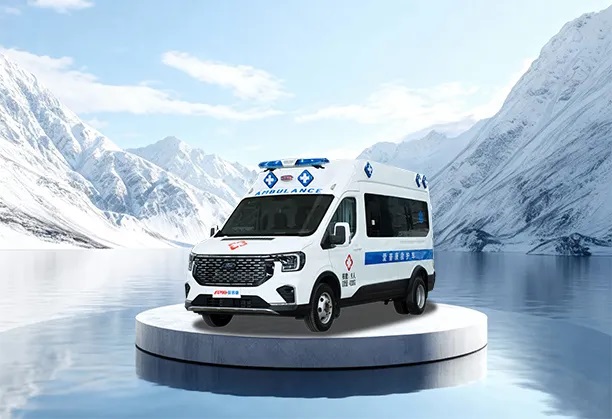
Advanced Life Support refers to a set of life-saving protocols and skills that extend beyond Basic Life Support (BLS). The primary goal of ALS is to provide sophisticated emergency medical care, focusing on advanced airway management, cardiac monitoring, medication administration, and more. The heart of ALS services lies in the expertise of paramedics who are trained to perform complex medical procedures in pre-hospital environments. ALS ambulances are equipped with advanced technologies like cardiac monitors, portable infusion pumps, and ventilators, making them a mobile emergency room capable of treating critical conditions before reaching the hospital.
Feature | BLS | ALS |
Airway Management | Basic (e.g. manual resuscitation bag) | Advanced (e.g. endotracheal intubation) |
Cardiac Monitoring | No | Yes (e.g. ECG) |
Medication Administration | Limited (e.g. basic first aid) | Comprehensive (e.g. IV infusion) |
Emergency Protocols | Basic interventions | Advanced protocols (e.g. CPR using CPR valve mask) |
Understanding the definition of ALS is crucial for everyone involved in emergency care. Whether you are looking for an ambulance truck for sale, need to organize a mobile medical van, or seek to understand the broader implications of ALS in medical emergencies, this knowledge plays a pivotal role in life-saving outcomes.
ALS ambulances are specialized vehicles equipped with advanced medical technologies and instruments that enable paramedics to perform various life-saving procedures. Here's a look at the emergency medical technician equipment you'd typically find in an ALS ambulance:
Cardiac Monitor and Defibrillator: Essential for real-time cardiac monitoring and defibrillation during life-threatening situations.
Ventilator: Supports or controls breathing in patients who cannot breathe unaided.
IV Infusion Pumps: Facilitates the delivery of intravenous fluids and medications, ensuring precise dosages over time. Whether you're looking to buy an iv infusion pump for sale or understand their applications, these pumps are critical for emergency care.
Suction Aspirators: Used to clear a patient's airway of any blockages or fluids, a suction aspirator is crucial during respiratory distress.
Ambulance Stretcher: For safe and efficient patient transport, ensuring comfort and accessibility. Ambulance stretcher for sale often includes advanced features for ease of operation.
BLS and ALS Kits: Comprehensive medical kits include items like a manual suction device, medications, and intubation equipment for comprehensive medical emergencies.
CPR Bag and Manual Resuscitation Bag: Used for providing ventilations to patients without a pulse.
For those looking to purchase emergency vehicles for sale or to equip a medical trailer, understanding the importance and functionality of this equipment is critical to ensuring capable emergency response capabilities.
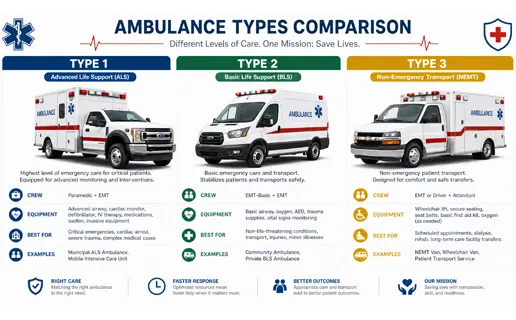
Advanced Life Support (ALS) and Basic Life Support (BLS) are two levels of care in emergency medical services, each designed to address different levels of medical emergencies. While BLS forms the foundation of emergency medical care, ALS extends these services to accommodate more complex and life-threatening situations.
Basic Life Support (BLS) primarily focuses on non-invasive procedures. Emergency medical technicians (EMTs) trained in BLS can perform CPR, use an AED (Automated External Defibrillator), and provide basic trauma care. However, they have limitations in advanced interventions such as drug administration, advanced airway management, and targeted cardiac care.
In contrast, Advanced Life Support (ALS) provides more comprehensive care. Paramedics trained in ALS are equipped to administer intravenous medications, perform advanced airway procedures like intubation, and conduct advanced cardiac monitoring. These capabilities are essential in critical cases such as severe trauma, cardiac arrhythmias, and respiratory emergencies.
It is essential for healthcare providers, emergency planners, and those in the ambulance sales industry to understand these differences to ensure adequate preparation and response capability. Thus, whether you are outfitting a k9 police car or medium duty ambulance for sale, recognizing these distinctions ensures that you achieve the appropriate level of service.
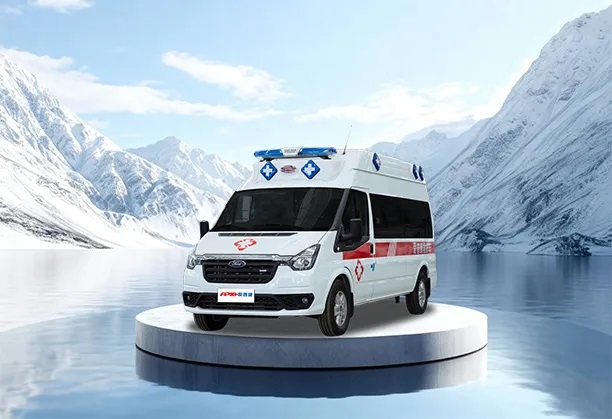
Paramedics are at the forefront of pre-hospital emergency care, and in the context of ALS, their roles are significantly expanded compared to BLS. As highly trained healthcare professionals, paramedics perform a wide range of critical tasks to save lives in emergencies.
Advanced Airway Management: Paramedics are proficient in advanced procedures such as endotracheal intubation and surgical airway establishment, ensuring patients maintain a patent airway.
Intravenous Drug Administration: Skilled in administering drugs via IV lines, paramedics utilize portable infusion pumps for precise control over medication dosages, tailoring treatments to individual patient needs.
Cardiac Rhythm Interpretation: Advanced training allows paramedics to interpret ECGs, detecting life-threatening arrhythmias and adjusting treatments promptly.
Trauma Management: Paramedics are crucial in the initial stabilization of trauma patients, using equipment like ems stretchers and soft stretchers to ensure effective patient management.
The role of a paramedic in ALS is vital, not only for patient outcomes but also for providing critical data and insights to receiving hospitals. Understanding these roles can be crucial for those considering careers in EMS or looking to purchase and equip medium duty ambulances or ems vehicles.
ALS services are indispensable in handling various medical emergencies where advanced medical interventions are warranted. Here are some common scenarios:
Cardiac Arrest: Rapid response and advanced cardiac life support measures can be lifesaving, including cardiac monitoring and medication administration.
Severe Respiratory Distress: The ability to manage complex airways and provide ventilatory support is essential for patients with severe asthma or COPD exacerbations.
Major Trauma Cases: ALS paramedics are equipped to stabilize patients with significant injuries from car accidents or falls, ensuring safe transport to trauma centers using advanced ambulance stretchers.
Acute Stroke: Quick assessment and pre-notification to stroke centers are critical for potential treatments, aided by advanced protocols and monitoring.
Complex Pediatric Emergencies: ALS units are adept at managing critically ill children, using specialized equipment tailored for pediatric care.
For those interested in the advanced life support ambulance field, purchasing or equipping a mobile clinic for sale, or planning emergency response initiatives, understanding these scenarios provides vital context for the capabilities needed in an ALS-equipped ambulance.
Advanced Life Support is a cornerstone of emergency medical services, offering comprehensive care for critically ill patients. Through sophisticated equipment, knowledgeable paramedics, and advanced medical protocols, ALS ensures that patients receive optimal care during transportation to medical facilities. For anyone involved in emergency services—from emergency planners to organizations investing in emergency vehicles for sale—understanding ALS services' scope and capability is vital. By equipping ambulances with the best technology and training paramedics, we can improve emergency response outcomes, ensuring a safer, more responsive healthcare system. Whether you seek to purchase an als ambulance, or explore custom solutions for a mobile medical van, knowledge of ALS services enhances decision-making and operational effectiveness.