


Tel:
+86 15680081222
In an era where accessibility and efficiency in healthcare are paramount, mobile clinic vans have emerged as a pivotal solution in bringing services directly to communities. These mobile units are especially critical in rural areas or regions with limited medical facilities. From providing basic health screenings to advanced procedures, a mobile clinic van is a versatile platform addressing a wide spectrum of healthcare needs. In this article, we will uncover the detailed requirements and operations of mobile clinics, emphasizing essential vehicle specifications, strategic interior design, staffing essentials, regulatory adherence, and optimal patient flow management. Whether you're evaluating different types like a type I ambulance or medium duty ambulance for sale, or considering adding a mobile medical van to your fleet, this guide equips you with the necessary insights.
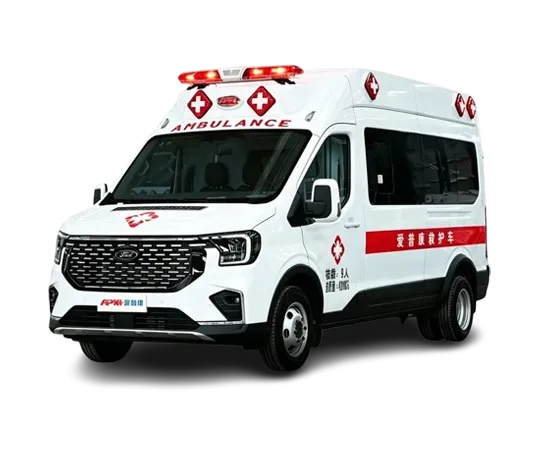
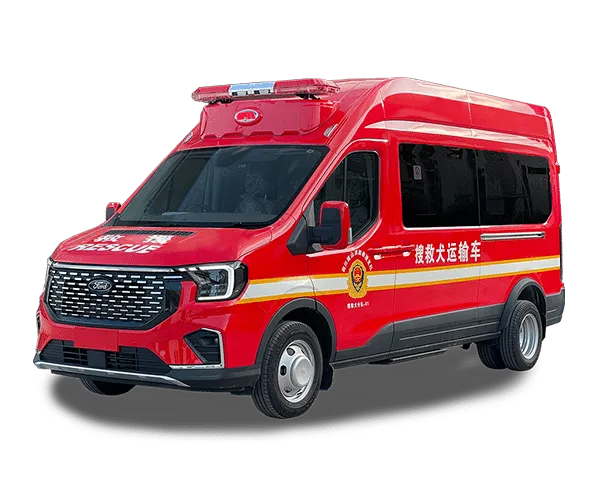
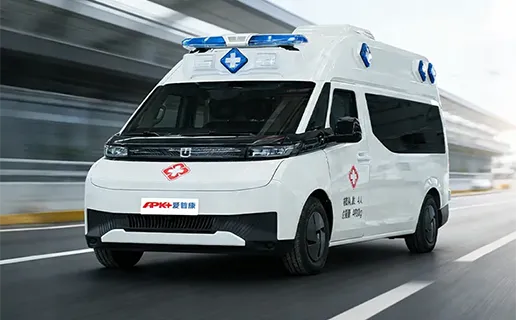
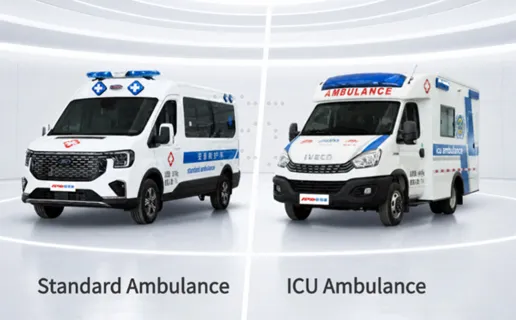
The choice of vehicle for a mobile clinic is foundational, determining its capability to meet healthcare demands efficiently. These vehicles range from medium duty ambulances to custom mobile medical vans and modified buses. Each vehicle type comes with specific duties that align with the intended medical services.
Vehicle Type | Features | Advantages |
Type I Ambulance | Separate cab and module | Increased space for emergency equipment |
Medium Duty Ambulance | Heavy-duty chassis | Durable, high load capacity |
Bus with Wheelchair Lift | Accessibility features | Ideal for mobility scooter transport and patient ease of access |
Mobile Clinic Van | Integrated medical facilities | Flexibility in service variety |
Key considerations include power supply systems for running medical devices like an IV infusion pump for sale, cooling systems to maintain specific environmental requirements, and reliable transport mechanisms like a bus with wheelchair lift to ensure patient accessibility. For permanent or semi-permanent setups, provisions for waste management like a rear load trash truck are also necessary to maintain hygiene and manage biohazard risks.
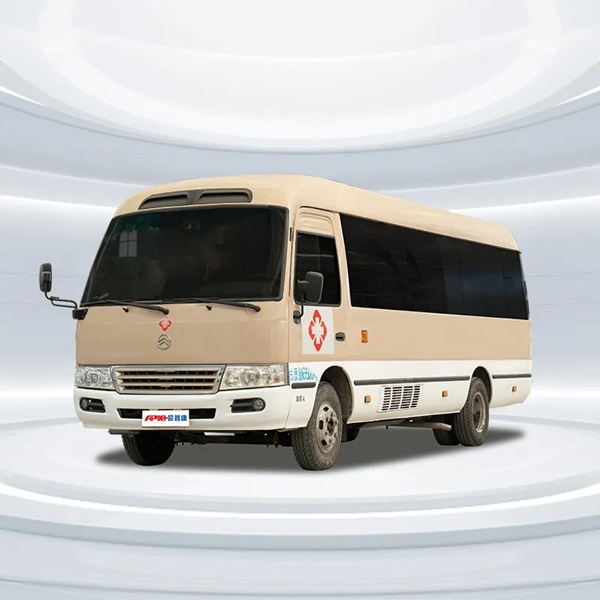
The interior design of a mobile clinic van focuses on optimizing space for maximum functionality while ensuring a comfortable and efficient workflow for the staff and patients. Key elements include:
Equipment Layout: Strategic positioning of essential equipment—such as the emergency medical technician equipment, manual suction device, and cpr valve mask—is crucial. This ensures quick access during emergencies.
Zoning: Clear demarcation of areas for specific functions like examinations, consultations, hygiene stations with suction aspirator, and storage of medical supplies.
Patient Comfort: Comfortable seating arrangements and climate control systems enhance patient experience, critical when handling patients from an advanced life support ambulance.
Safety Measures: Safety in a mobile clinic is paramount, with features to secure equipment and provide safe access in and out of the vehicle, including ambulance stretcher for sale options designed for smooth transfer.
The modular design of the interior allows flexibility to expand services, adapting to specific health campaigns or emergency services offered like BLS emergency transport or for sale emergency vehicles transitions.
An efficiently run mobile clinic relies on a well-coordinated team. Staffing typically includes a mix of medical professionals, administrative support, and technical staff to ensure seamless operations.
Medical Team: The core team may include doctors, nurses, and emergency medical technicians equipped with manual resuscitation bags and soft stretchers. Depending on services, specialists in dentistry, ophthalmology, or other fields might be required.
Administrative Staff: Responsibilities include patient registration, managing schedules, and coordinating with local health centers to streamline operations.
Technical Personnel: Essential for managing and maintaining medical devices, ensuring that units like portable infusion pumps are functioning correctly.
The scale and expertise of the staff determine the range and efficacy of services offered. For instance, handling ALS ambulance meaning operations demands a higher degree of specialized training compared to basic healthcare delivery.

Adhering to regulations is crucial for the lawful operation of a mobile clinic van. Compliance with local health and safety regulations ensures not only legal standing but also the trust and safety of patients.
Certifications and Licenses: Mobile clinics must secure necessary permits, which vary depending on the services offered. For instance, operations involving IV infusion pump for sale might require specific healthcare certifications.
Inspections and Maintenance: Regular vehicle inspections and maintenance are mandatory, aligning with standards set for healthcare vehicles like a medium duty ambulance stipulated in regional regulations.
Data Protection: Protecting patient information is critical, requiring compliance with data privacy laws to safeguard medical records handled within the mobile unit.
Strict adherence to these regulations not only avoids legal ramifications but also underscores the clinic's commitment to patient safety and quality service delivery.
Efficient patient flow within a mobile clinic ensures high service quality and patient satisfaction. This involves optimizing how patients are moved through the service process, starting from initial contact to follow-up care.
Patient Registration Systems: Efficient registration processes, potentially employing digital solutions, reduce wait times and streamline patient service delivery.
Operational Scheduling: Planning appointments and managing workloads ensure that medical staff can optimize their time and resources, providing attentive care without unnecessary delays.
Care Continuity: Integrating patient care during mobile visits with their ongoing treatment needs, facilitating referrals to specialist services or follow-up visits with local healthcare providers.
Crafting a well-thought-out patient flow design augments the clinic's ability to serve more patients effectively, enhancing the BLS transport meaning by ensuring each step of patient service is seamless.
Ultimately, a mobile clinic for sale represents a modern solution to increasing healthcare reach, shaped by strategic decisions concerning vehicle choice, interior design, staffing, and regulatory compliance. For those looking to invest in this innovative healthcare delivery model, understanding these components is essential to drive efficiency and success.