




Tel:
+86 15680081222
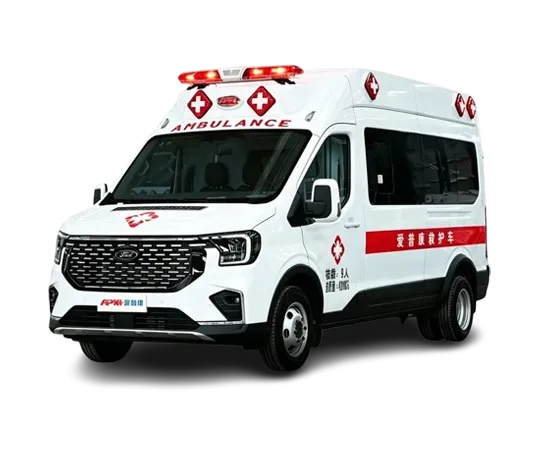
When ambulances are mentioned, the first things that come to many people's minds are their flashing lights and blaring sirens. However, have you ever noticed the specific symbols—such as the blue six-pointed star and the serpent—displayed on ambulances? These are not merely decorative designs chosen at random; they each carry a distinct and specific meaning. Today, let's take a closer look at the significance behind these ambulance markings.
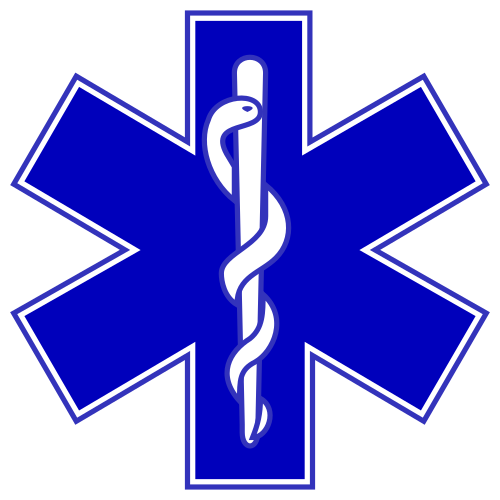
The most ubiquitous symbol found on ambulances is undoubtedly the blue six-pointed star—known as the "Star of Life." Today, it serves as the globally recognized emblem for emergency medical services.
The six points of the Star of Life correspond to the six critical stages of pre-hospital emergency care: Detection, Reporting, Response, On-scene Care, Care in Transit, and Transfer to Definitive Care (at a medical facility). Together, these six points form a complete and interconnected chain representing the entire pre-hospital emergency care process.
At the center of the Star of Life, one typically finds an image of a staff entwined by a serpent. The origins of this symbol can be traced back to ancient Greek mythology. Legend has it that Asclepius, the god of medicine, traveled far and wide healing the sick while carrying a wooden staff around which a sacred serpent was coiled; consequently, later generations adopted this "Staff of Asclepius" as the universal symbol of medicine.
The serpent was chosen for this role because its ability to shed its skin was historically viewed as a powerful symbol of recovery and rebirth. This symbolism aligns perfectly with the core objectives of medical care: to alleviate suffering and help patients regain their health. Thus, the Staff of Asclepius represents not only the practice of medicine but also the broader concepts of healing and regeneration.
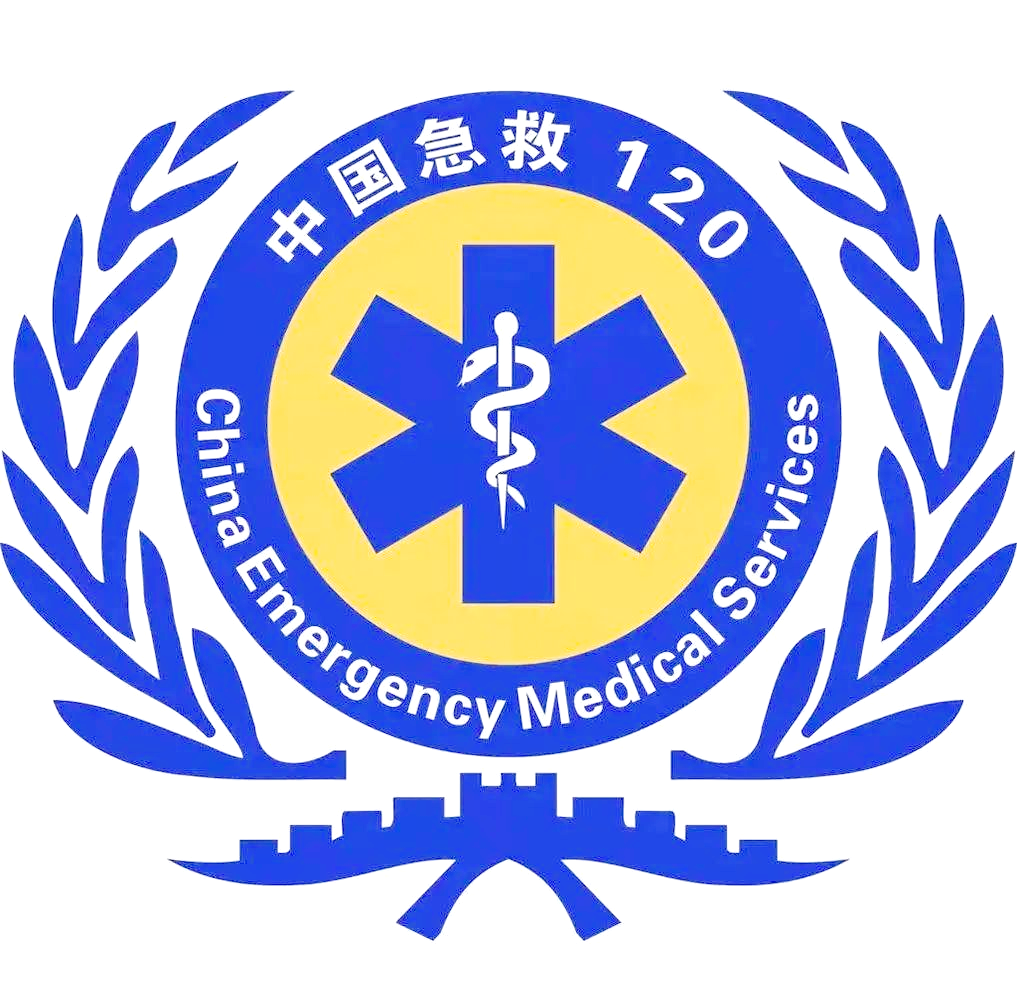
my country's national emblem for pre-hospital emergency medical services is a composite design featuring the Staff of Asclepius, six vertical pillars, the Great Wall, and olive branches. At the center of the emblem lies the Star of Life—the internationally recognized symbol for emergency medical services—within which the Staff of Asclepius signifies the medical profession itself. The six vertical pillars represent the six critical stages of pre-hospital care: Detection, Reporting, Response, On-scene Care, Care in Transit, and Transfer to Definitive Care. The Great Wall, positioned at the base of the emblem, serves as a quintessential Chinese cultural icon, symbolizing the pre-hospital emergency care system's unwavering resolve and capability to safeguard human life. Finally, the surrounding olive branches symbolize the renewal of life and vitality.
While these symbols may appear simple on the surface, together they form the unique "language" of the ambulance—a language dedicated to the preservation of life. They serve not only as distinct identifiers of the vehicle's identity but also as a visual representation of the specialized system of pre-hospital emergency care. The next time you encounter an ambulance speeding past, take a moment to observe these details—and in doing so, gain a deeper appreciation for the vital work of saving lives.