


Tel:
+86 15680081222
The global recreational vehicle industry has grown rapidly in recent years as travel lifestyles and mobile living become increasingly popular. Whether for tourism, outdoor adventures, or professional mobile services, the RV (recreational vehicle) has evolved into a versatile platform combining transportation, living space, and advanced vehicle engineering.
For buyers planning to buy RV, distributors evaluating RV price, or manufacturers researching RV OEM cooperation, understanding the RV definition, RV types, and engineering structure behind modern recreational vehicles is essential.
Companies like APK, known for special vehicle development and integrated equipment solutions, support international partners with reliable vehicle platforms and specialized engineering experience. In this guide, we explore the RV meaning, design structure, application scenarios, and how buyers choose the right recreational vehicle solutions.
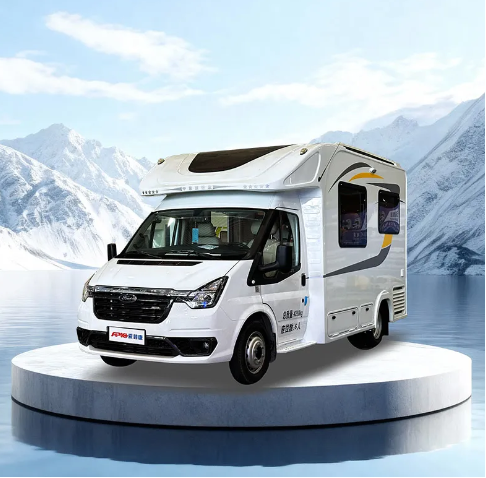
An RV, short for recreational vehicle, refers to a motor vehicle or trailer equipped with living facilities designed for travel, camping, and mobile lifestyles.
According to the common RV definition, a recreational vehicle integrates:
sleeping areas
kitchen facilities
storage systems
power supply systems
bathroom or sanitation facilities
The RV meaning extends beyond tourism. Today, RV platforms are also used in many professional fields including mobile healthcare, remote service vehicles, and temporary accommodation units.
In simple terms, the RV vehicle meaning refers to a vehicle that combines transportation with temporary living space.
Modern RV design involves complex vehicle engineering and interior layout planning. Manufacturers must balance functionality, weight, durability, and driving performance.
Typical RV design elements include:
The vehicle frame must support both driving performance and living space installation.
Designers optimize space to include beds, storage, and kitchens while maintaining comfort.
Modern RVs include advanced power management systems for lighting, appliances, and communication devices.
Engineers often use detailed RV diagram or RV schematic drawings during development to ensure efficient installation of equipment and components.
APK with experience in special vehicles, applies similar engineering processes when developing different types of mobile platforms.
Understanding RV types helps buyers choose the right vehicle for their needs.
A motorhome is a self-powered RV with a fully integrated driving cabin and living space.
Motorhomes are often categorized as:
Class A motorhomes (large luxury vehicles)
Class B motorhomes (camper vans)
Class C motorhomes (mid-size RVs)
The motorhome meaning refers to a motorized recreational vehicle designed for long-distance travel and comfortable living.
Towable RVs require another vehicle for towing and are popular because they provide flexible travel options.
Travel Trailer
Fifth Wheel
Pop-Up Camper (Folding Trailer)
Toy Hauler
Truck Camper
One key factor affecting RV quality and durability is the RV material used during manufacturing.
Professional RV manufacturers typically use:
reinforced steel frames
aluminum structures
fiberglass exterior panels
lightweight composite materials
High-quality motorhome material helps improve durability while reducing vehicle weight.
Reliable material selection also impacts long-term maintenance costs and overall RV vehicle price.
APK, often prioritize structural durability and safety in vehicle construction.
While recreational travel remains the most common RV use, the platform has expanded into many professional applications.
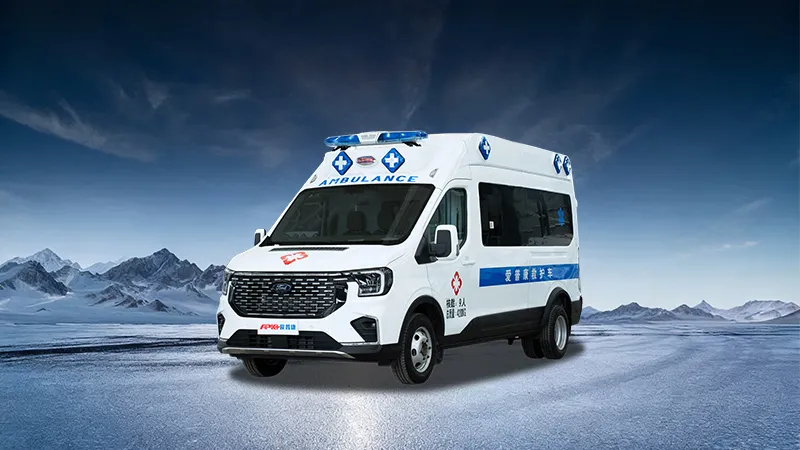
RV platforms can be adapted into mobile clinics or diagnostic units.
For example, vehicles like the health check up vehicle allow medical teams to provide healthcare services in rural or remote areas.
These vehicles often integrate advanced systems such as ICU monitoring and transport equipment.
RV-based platforms are also used for:
emergency command vehicles
engineering service units
disaster response vehicles
Of course, RVs remain widely used for:
road trips
outdoor camping
family vacations
remote exploration
These diverse RV applications demonstrate the flexibility of recreational vehicle platforms.
Many buyers researching RV price or motorhome price quickly realize that costs vary significantly.
Factors affecting RV vehicle price include:
Larger vehicles such as motorhomes or camper buses typically cost more than camper vans.
High-end appliances and luxury interiors increase motorhome price.
Customized layouts or advanced electrical systems affect the final RV camper price.
Reliable materials and professional engineering increase durability but may also increase drivable RV price.
Instead of focusing solely on cost, many distributors prioritize RV quality and long-term reliability.
Buyers planning to buy recreational vehicle or buy RV camper should evaluate several important factors.
Different vehicles are designed for different uses.
Examples include:
tourism travel
off-road adventure
mobile office
emergency service vehicles
Interior design affects comfort and usability.
Buyers should review RV diagram, specifications, and RV PDF documentation when selecting models.
Important factors include:
RV speed
fuel efficiency
vehicle stability
Reliable manufacturers can provide OEM cooperation and technical support.
Companies like APK support partners with professional engineering experience and flexible vehicle development capabilities.
In the global special vehicle industry, many companies rely on RV OEM manufacturing cooperation.
Vehicle manufacturers often collaborate with partners who can provide:
vehicle chassis engineering
interior modular systems
specialized equipment installation
For distributors searching motorhome wholesale or buy motorhome, working with experienced suppliers ensures stable production and reliable delivery.
The recreational vehicle industry continues to evolve due to changing travel habits and new technologies.
Key trends include:
Integration of smart control systems and remote monitoring.
Growing demand for off road RV for sale and adventure vehicles.
Eco-friendly designs and energy-efficient systems.
More RV platforms are being adapted for medical, service, and commercial use.
APK is increasingly involved in developing advanced vehicle platforms that support both recreational and professional applications.
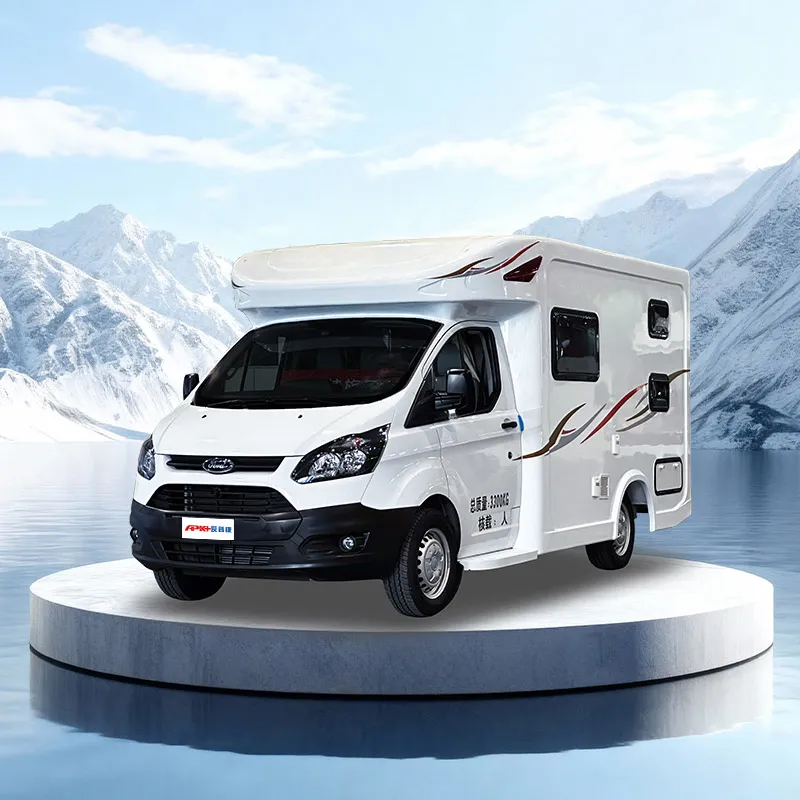
Understanding the RV definition, RV types, and engineering structure behind modern recreational vehicles is essential for buyers, distributors, and vehicle manufacturers.
Whether customers plan to:
buy RV motorhome
explore camper van price
evaluate motorhome design
or develop specialized vehicle platforms
Working with experienced manufacturers can significantly improve project success.
With strong engineering capabilities and experience in special vehicle manufacturing, APK supports global partners with reliable vehicle platforms and innovative mobile solutions.
From tourism vehicles to mobile healthcare units and specialized service platforms, the modern recreational vehicle continues to evolve as a versatile and powerful transportation solution.

PREV
