Tel:
+86 15680081222
For many people, the primary mission of an ambulance is simply to transport patients to the hospital as quickly as possible. In reality, however, as pre-hospital emergency care systems continue to evolve, the role of the ambulance is also undergoing a transformation. In particular, the advent of 5G ambulances is shifting the paradigm of emergency care from a "transport-centric" model toward one characterized by "forward-deployed treatment, real-time coordination, and information sharing."
So, what exactly distinguishes a 5G ambulance from a standard ambulance?
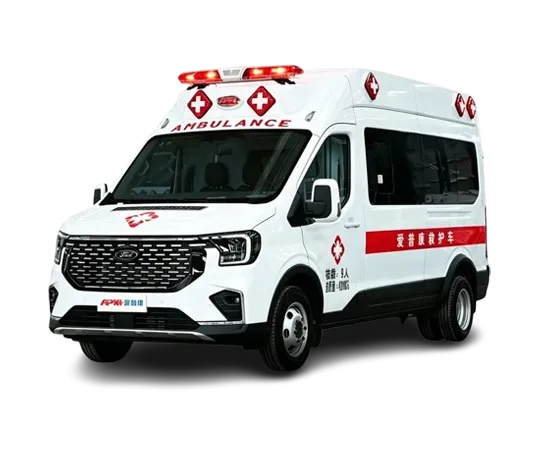
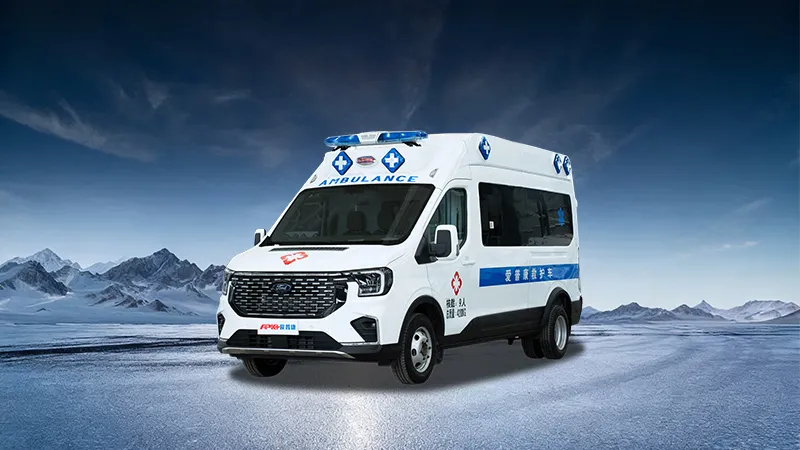
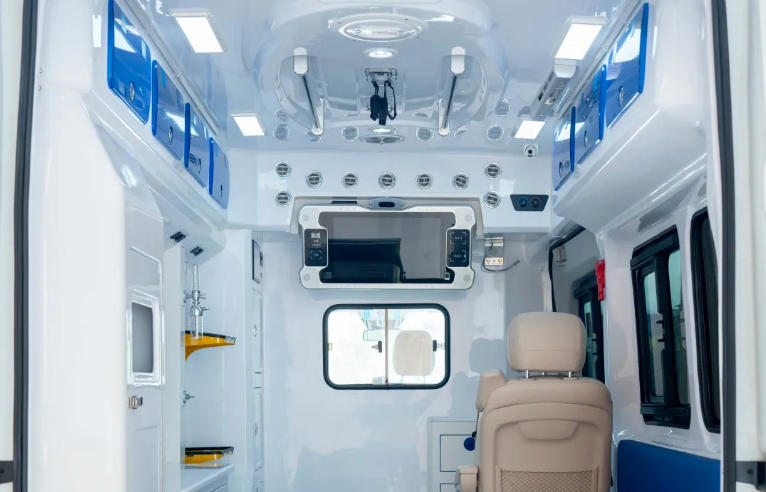
Standard ambulances primarily handle tasks such as patient transport, basic monitoring, and en-route interventions; their core focus is on safely and efficiently completing the process of delivering the patient to the hospital. 5G ambulances, building upon these traditional functions, incorporate advanced capabilities such as vehicle-to-infrastructure communication, real-time data transmission, and remote audio-visual interaction. This transforms the vehicle from a mere means of transport into a sophisticated "mobile emergency care unit."
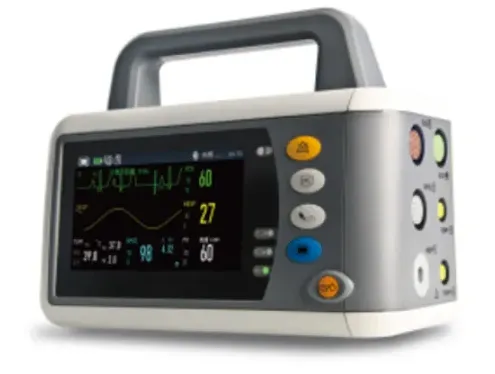
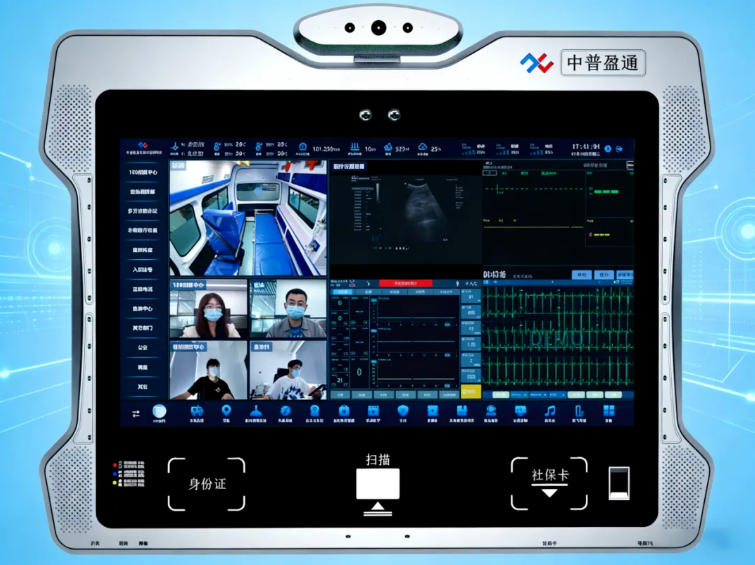
When standard ambulances are on a mission, updates regarding the patient's condition often rely on verbal communication via telephone or a formal handover upon arrival at the hospital, resulting in a certain degree of information lag. 5G ambulances, conversely, leverage high-speed, low-latency networks to transmit critical data—such as the patient's vital signs, live video feeds from inside the cabin, and details of emergency interventions—in real time to the emergency command center or the receiving hospital. This allows the hospital-based medical team to gain immediate insight into the patient's condition and prepare the necessary treatment resources in advance.
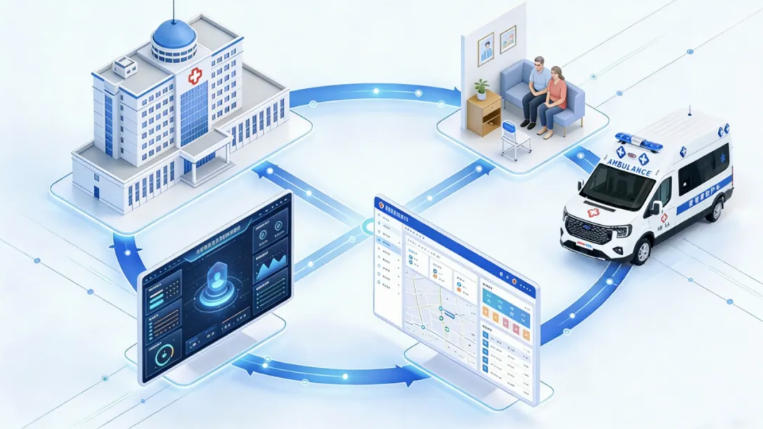
Standard ambulances rely heavily on the onboard medical staff to independently make clinical judgments and administer treatment. 5G ambulances, however, establish a seamless information link connecting the "ambulance—hospital—command center" network. In critical scenarios involving acute conditions such as chest pain or severe trauma, this connectivity enables highly efficient coordination between pre-hospital and in-hospital teams, thereby helping to secure precious extra time for life-saving interventions.
Simply put, while a standard ambulance solves the problem of "getting the patient to the hospital," a 5G ambulance goes a step further, addressing the challenge of "initiating treatment earlier and enhancing the efficiency of collaborative care." What it delivers is not merely an upgrade in vehicle functionality, but a fundamental upgrade to the entire emergency care model and system capabilities.
From the standard ambulance to the intelligent 5G ambulance, every technological iteration creates new possibilities for saving lives. Sanling Group remains continuously focused on the diverse needs of pre-hospital emergency care scenarios, constantly optimizing its products and services to drive the development of modern emergency response systems toward greater efficiency, intelligence, and collaboration.