

Tel:
+86 15680081222
In the global special-vehicle industry, understanding the light commercial vehicle definition is essential for manufacturers, vehicle modification factories, and international distributors. Light commercial vehicles (LCVs) play a crucial role in logistics, medical services, emergency response, and specialized industrial operations.
Companies looking to buy pickup truck platforms, design specialized vehicles, or expand their product portfolio increasingly rely on reliable chassis suppliers and engineering partners. This is where manufacturers like APK bring value by combining vehicle engineering, modular design, and specialized equipment integration.
This guide explains the light commercial vehicle meaning, explores pickup truck types, and highlights how LCV platforms are widely used by special-vehicle manufacturers around the world.
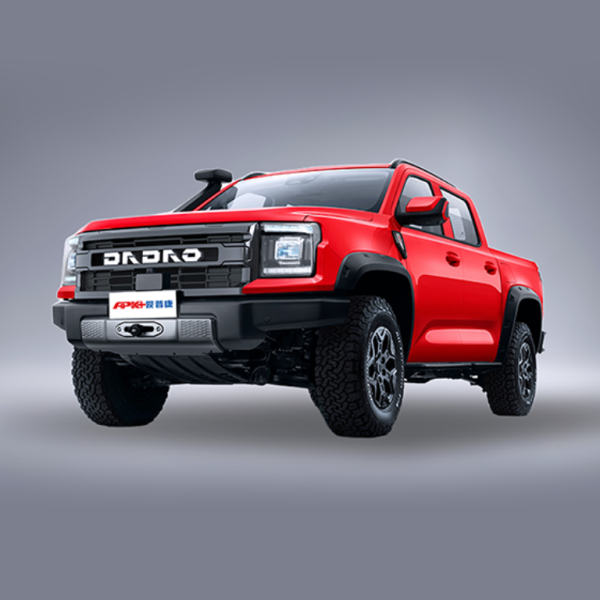
The light commercial vehicle definition generally refers to motor vehicles designed for transporting goods or specialized equipment with a gross vehicle weight typically below 4.5 tons, depending on regional regulations.
Common examples include:
Pickup trucks
Light trucks
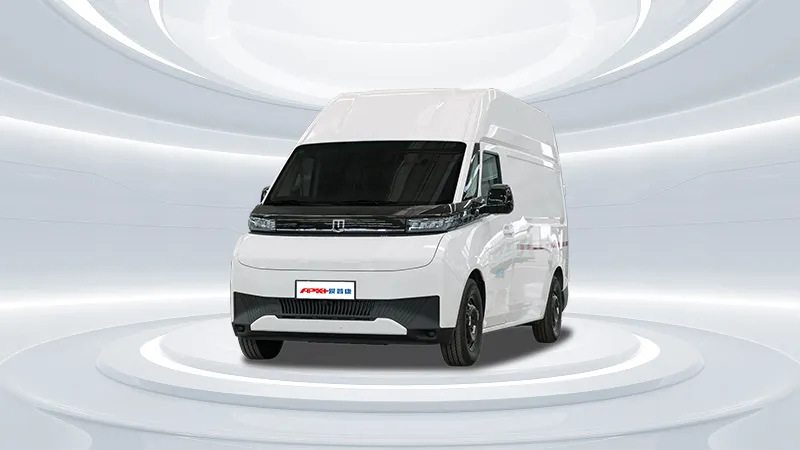
Cargo vans
Utility vehicles
Specialized mobile service vehicles
The light commercial vehicle meaning extends beyond simple cargo transport. These vehicles often serve as platforms for customization, allowing factories to build vehicles for:
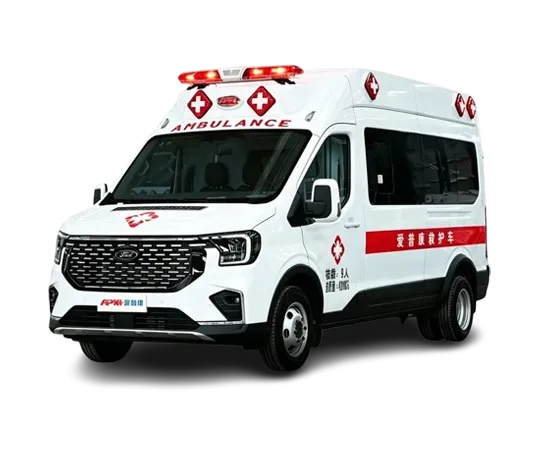
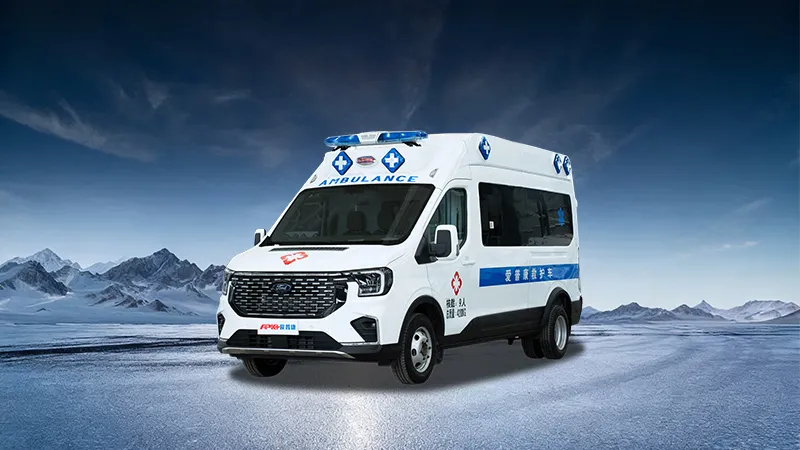
Ambulance conversion
Mobile clinics
Maintenance vehicles
Municipal service vehicles
Mobile laboratories
Because of their flexibility, LCVs are widely used by vehicle modification factories and equipment integrators.
For example, platforms like the light truck can serve as the base structure for various professional vehicles.
Among LCV platforms, pickup trucks are particularly valuable due to their durability, load capacity, and adaptability.
Many international companies looking to buy a pickup truck are not simply purchasing a vehicle for personal use—they are looking for a platform for industrial customization.
Typical pickup truck use cases include:
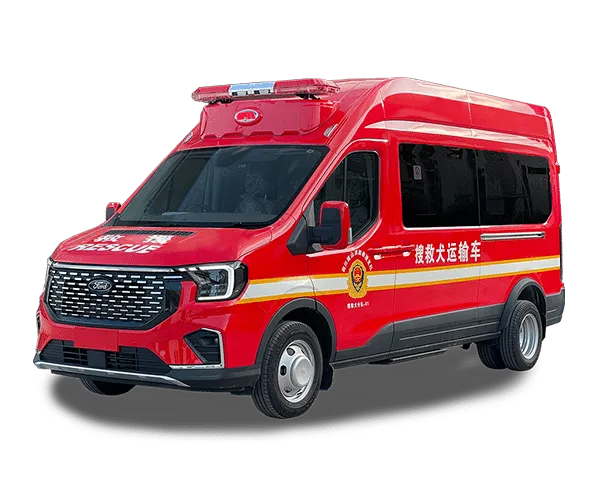
Emergency response vehicles
Medical transport units
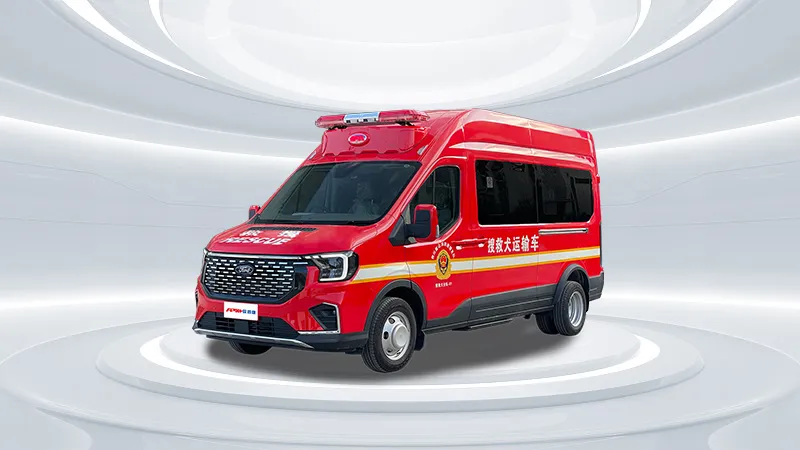
Disaster rescue equipment carriers
Utility service vehicles
Mobile communication stations
Factories that specialize in vehicle conversion often search for suppliers offering pickup truck custom engineering rather than off-the-shelf retail models.
Professional vehicle manufacturers pay close attention to pickup truck design when selecting a base platform.
Key factors include:
The chassis must support additional modules such as medical equipment, generators, or communication devices.
A clear pickup truck diagram helps engineers understand how to install:
medical cabinets
storage compartments
monitoring systems
power supply units
Many modern emergency vehicles require integrated systems such as ICU monitoring devices or telemedicine platforms. For example, mobile medical vehicles often incorporate equipment like ICU monitoring and transport equipment. This integration allows the vehicle to function as a mobile emergency care unit.
Understanding the types of pickup trucks available helps modification factories choose the correct platform.
Common pickup truck types include:
Best for cargo and equipment transport.
Suitable for teams requiring both passenger space and equipment storage.
Designed for higher payload and demanding environments.
Modified for specific industries such as telecommunications, mining, or emergency response.
Each pickup truck range offers different payload capacities and chassis structures, which affects the final vehicle configuration. Factories often analyze pickup truck price and long-term durability rather than simply choosing the lowest price.
One of the biggest advantages of pickup trucks is their ability to support specialized applications.
For example, many medical service providers deploy pickup-based mobile health units for rural areas.
These vehicles can integrate medical diagnostic equipment inside modules similar to the health check up vehicle.
This concept allows healthcare teams to reach remote populations while maintaining professional medical capabilities.
In disaster zones or temporary events, pickup-based vehicles can also serve as mobile command centers or medical support stations.
Many global markets require specialized vehicle solutions for challenging environments.
Examples include:
desert regions
mining operations
tropical climates
disaster response areas
Vehicle modification factories often search for pickup truck custom solutions designed for these conditions.
Special design capabilities may include:
reinforced suspension
sealed medical cabins
negative pressure isolation systems
mobile power generation
In such scenarios, vehicle engineering becomes more important than simple pick up van price comparisons.
Reliable suppliers help partners reduce long-term operational risk.
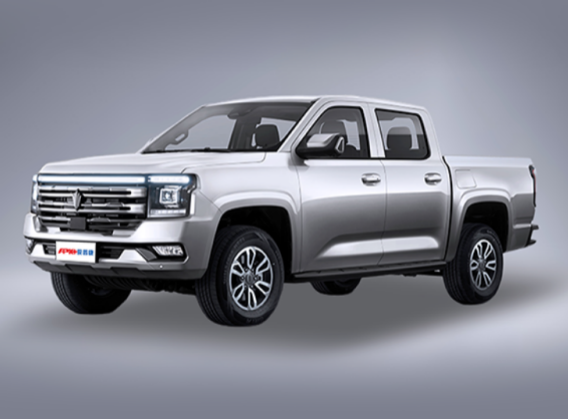
While pickup trucks are extremely versatile, they are only one part of the broader light commercial vehicle ecosystem.
Other LCV platforms can support different industries.
For example:
Municipal service departments often rely on vehicles like the rear loader garbage truck for urban sanitation operations.
Similarly, tourism or mobile service industries frequently use specialized vehicles such as the RV.
These vehicles demonstrate how the light commercial vehicle definition includes a wide range of professional applications.
International traders sourcing vehicles for overseas markets usually consider several factors before they buy pickup truck platforms.
Manufacturers must ensure stable production and export compliance.
Many buyers require technical documentation such as pickup truck diagram layouts and customization support.
Rather than focusing only on pickup truck price, professional buyers prioritize:
quality control
technical compatibility
after-sales service
APK supports partners by providing modular vehicle solutions and technical collaboration for special-vehicle manufacturing projects.
Many factories evaluate suppliers through pickup truck video demonstrations showing:
chassis durability
equipment installation process
interior module integration
off-road performance
Visual demonstrations help engineering teams better understand the pickup truck design structure before starting a conversion project. This is especially important for international buyers who cannot visit the factory in person.
Th global LCV market is evolving rapidly due to technology and healthcare demands.
Future trends include:
Integration of telemedicine, remote diagnostics, and digital monitoring.
Allowing manufacturers to build multiple vehicle types using a single platform.
More regions are deploying mobile clinics and emergency response vehicles.
Advanced communication technologies improving operational efficiency.
APK is increasingly involved in these developments by combining vehicle manufacturing with medical equipment integration and intelligent systems.
Pickup trucks remain one of the most versatile platforms in the LCV category due to their adaptability, durability, and wide range of industrial applications.
Understanding the light commercial vehicle definition is essential for vehicle manufacturers, special-vehicle factories, and international distributors.
Whether companies are looking to:
buy a pickup truck platform
explore different pickup truck types
analyze pickup truck design structures
develop specialized vehicle solutions working with experienced partners can significantly improve project success.
Through advanced engineering, modular vehicle systems, and integrated medical technologies, APK continues to support global partners in developing innovative and reliable light commercial vehicle solutions for healthcare, municipal services, and specialized industries.