



Tel:
+86 15680081222
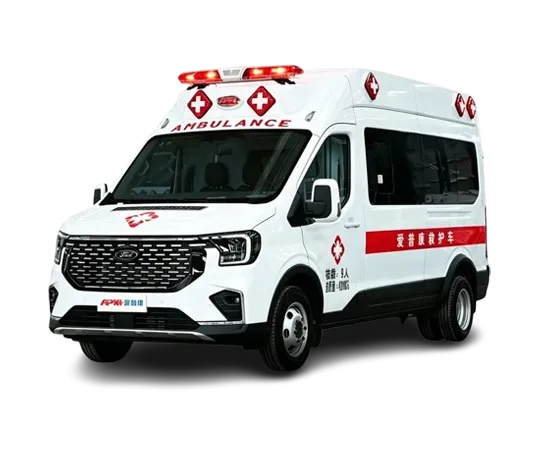
As healthcare systems around the world continue to strengthen their emergency response capabilities, the demand for advanced ambulance systems and mobile intensive care technology has increased significantly. Emergency vehicles are no longer simple transport tools; they are becoming mobile medical platforms capable of supporting critical care during patient transfer.
For ambulance manufacturers, special vehicle converters, and medical equipment distributors, choosing the right monitoring equipment is one of the most important decisions when designing emergency medical vehicles. Many professionals searching online for icu equipment pdf, icu equipment price, icu machine price, or icu patient monitor price are actually involved in ambulance manufacturing or medical vehicle integration projects rather than hospital procurement.
For companies such as APK, which specialize in emergency vehicle systems and medical equipment integration, the focus is not only on providing individual monitoring devices but also on building reliable mobile ICU solutions that allow medical teams to monitor patients continuously during transport.
In traditional hospitals, intensive care units rely on a complete network of monitoring devices and life-support equipment to stabilize critically ill patients. However, when a patient needs to be transported between hospitals or from an accident site to a medical facility, maintaining the same level of monitoring becomes much more challenging.
Ambulances designed for critical care transport must include a compact but powerful monitoring system capable of tracking vital signs and supporting emergency treatment procedures.
A typical mobile ICU system may include:
ICU patient monitoring systems
Vital signs monitoring equipment
Oxygen supply and ventilation support devices
Emergency defibrillation equipment
Communication systems for remote medical consultation
Because these systems must operate in a moving vehicle, reliability and integration are extremely important. This is why many manufacturers begin their research by reviewing icu equipment pdf technical documents to evaluate compatibility between different devices.
However, comparing devices based solely on icu machine price or icu patient monitor price may not always lead to the best result. In ambulance environments, system stability and integration capability often matter far more than the lowest equipment cost.
Unlike hospital installations, ambulance systems must work within limited space and under demanding operational conditions. Equipment must function reliably during vehicle movement, temperature changes, and long periods of operation.
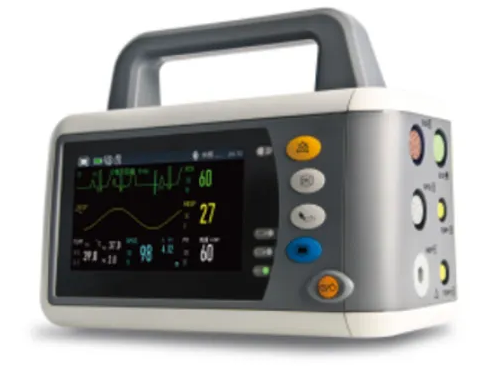
To address these challenges, many ambulance manufacturers choose integrated monitoring systems such as ICU Monitoring and Transport Equipment developed by APK.
These systems combine several medical monitoring devices into a coordinated platform that allows medical teams to track patient conditions continuously during emergency transport. Vital signs such as heart rate, oxygen saturation, and blood pressure can be monitored in real time, ensuring that medical staff can react quickly if a patient’s condition changes.
Instead of focusing exclusively on icu equipment price, integrated solutions provide several important advantages:
More efficient equipment installation
Reduced system compatibility issues
Reliable monitoring performance
Simplified maintenance and technical support
By working with companies like APK, ambulance manufacturers can improve the reliability of their emergency vehicles while maintaining efficient system integration.
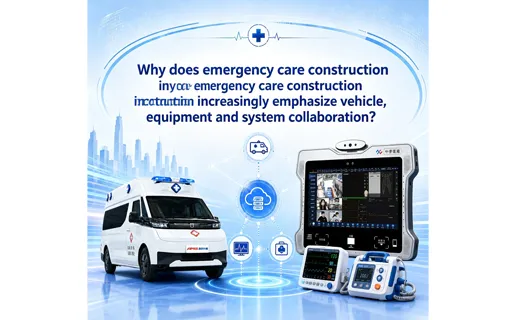
Another important trend shaping the future of emergency medical services is the development of smart ambulance systems. These vehicles integrate digital communication technologies with medical monitoring equipment to create a connected healthcare environment.
Through wireless communication networks, monitoring data collected during transport can be transmitted to hospitals in real time. Doctors can review patient conditions remotely and provide guidance to paramedics before the patient arrives.
APK has been actively exploring this direction by combining medical monitoring systems with communication technologies. These solutions help ambulance manufacturers develop vehicles that are not only reliable but also capable of supporting advanced digital healthcare systems.
In addition to emergency transport vehicles, mobile healthcare solutions such as the health check-up vehicle are becoming increasingly popular in many countries. These vehicles are designed to deliver diagnostic services, health screening programs, and medical monitoring to remote communities where hospital facilities may be limited.
Building an effective mobile ICU system requires not only medical equipment but also a reliable vehicle platform. The design of the vehicle affects equipment installation, power supply stability, and operational efficiency.
For compact healthcare projects or urban medical programs, smaller platforms such as the Light Truck provide flexible space for installing monitoring systems and medical equipment.
In rural or mountainous areas, vehicles must also provide strong mobility and durability. Pickup-based medical vehicles built on platforms like the Pickup Truck are often used because of their off-road capability and adaptability.
For larger mobile medical facilities, more spacious vehicle platforms may be required. Recreational vehicle platforms can be converted into mobile clinics or mobile diagnostic units capable of carrying more medical equipment and supporting additional medical staff. One example is the RV platform used for mobile healthcare projects.
Even specialized engineering vehicles such as the Rear Loader Garbage Truck reflect the level of engineering expertise required to design complex vehicle systems. Experience in producing specialized vehicles helps APK develop stronger capabilities in emergency vehicle engineering and system integration.
Cost is always an important consideration for medical equipment distributors and vehicle manufacturers involved in healthcare projects. Many procurement teams begin by comparing icu equipment price, reviewing icu patient monitor price, or analyzing different icu machine price options.
However, the total investment required for a mobile ICU system involves much more than the cost of individual monitoring devices. Additional factors include:
Vehicle platform integration
Installation and customization
Communication system integration
Maintenance and after-sales service
Because of these additional factors, choosing equipment based solely on the lowest icu patient monitor price may create integration difficulties later.
Interated solutions designed specifically for ambulance environments can often reduce installation complexity and provide better long-term value.
By offering integrated monitoring systems and emergency vehicle solutions, APK helps ambulance manufacturers and distributors simplify system integration and reduce technical risks in complex mobile healthcare projects.
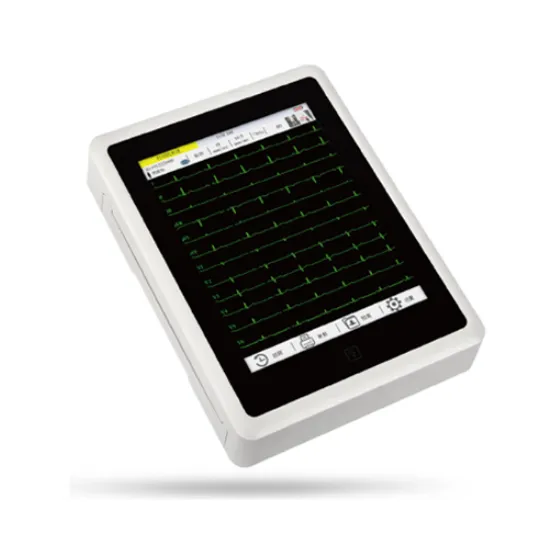
As medical technology continues to evolve, mobile healthcare systems are expected to become even more advanced. Emergency vehicles may soon operate as fully connected medical platforms capable of sharing patient data instantly with hospitals and healthcare networks.
Future developments may include:
Smart ambulance networks connected to hospital databases
AI-assisted patient monitoring technologies
Real-time medical data analysis during patient transport
Remote diagnosis and treatment guidance
APK is continuously exploring these innovations to support ambulance manufacturers and medical equipment partners around the world.
By understanding how icu equipment price, icu machine price, and icu patient monitor price relate to system integration and vehicle design, manufacturers and distributors can build more competitive emergency medical solutions and improve healthcare access globally.