
Tel:
+86 15680081222
In recent years, healthcare systems around the world have been undergoing significant transformation. Many countries are facing challenges such as limited medical infrastructure in rural areas, aging populations, and the need for rapid emergency response systems. To address these issues, mobile healthcare solutions have become an important part of modern medical service delivery.
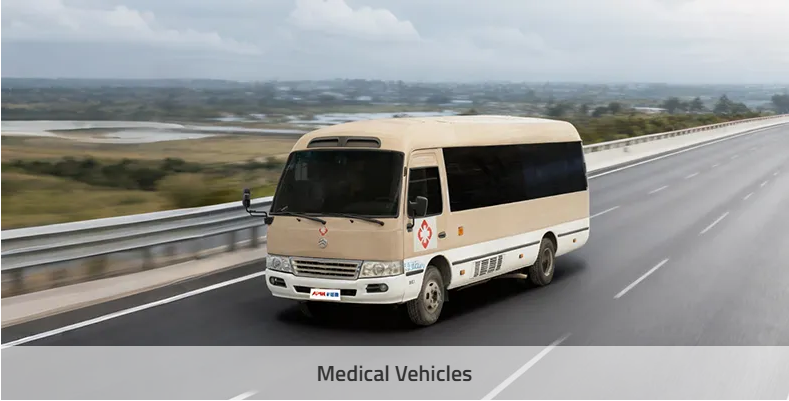
Mobile healthcare vehicles such as mobile clinics and mobile health units allow healthcare providers to deliver essential services directly to communities without relying solely on traditional hospital infrastructure.
APK is a professional provider of mobile healthcare vehicle solutions. APK mobile clinics and mobile medical units are designed to help governments, hospitals, and healthcare organizations deliver reliable medical services to communities anywhere.
Understanding the mobile clinic meaning, mobile clinic applications, mobile clinic design, and the typical mobile clinic price structure can help healthcare organizations, government agencies, and vehicle manufacturers choose the right solutions for their needs.
The APK mobile clinic definition refers to a medical facility built inside a specially designed vehicle that can travel to different locations to provide healthcare services. Instead of patients visiting hospitals or clinics, the healthcare facility travels directly to the community.
In practical terms, the mobile clinic meaning describes a flexible healthcare delivery system that operates outside traditional medical buildings. These vehicles contain essential medical equipment, diagnostic tools, and communication systems to support a wide range of medical services.
A typical mobile health unit meaning includes several core components:
Medical examination area
Patient seating and consultation space
Diagnostic equipment
Medical storage cabinets
Communication and telemedicine systems
A mobile medical unit meaning generally refers to a more advanced version of a mobile clinic that integrates diagnostic equipment, telemedicine systems, and specialized monitoring devices.
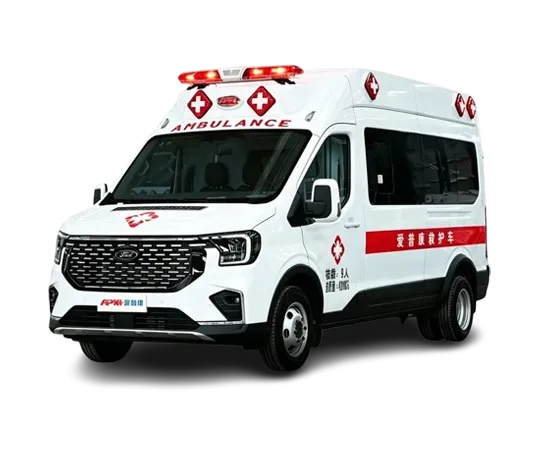
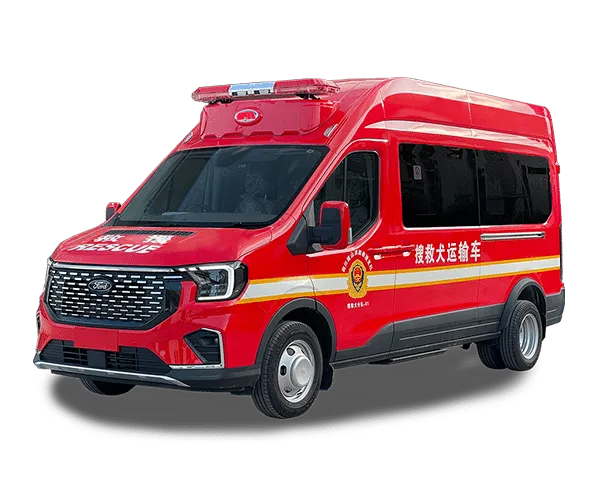
These vehicles can be built on different vehicle platforms depending on the healthcare services required. Some projects use compact vans for urban medical outreach, while others deploy larger truck-based mobile clinics for rural healthcare programs.
The mobile clinic application has expanded rapidly over the past decade as healthcare systems seek more flexible ways to deliver services.
Many governments and healthcare organizations are now investing in mobile health care application solutions to improve healthcare accessibility in underserved areas.
One of the most common uses of a mobile health clinic is community healthcare outreach. These programs allow doctors and healthcare professionals to perform medical examinations, disease screening, and preventive health services directly in local communities.
This approach is particularly useful in areas where hospitals are far away or where transportation is limited.
In rural regions where medical infrastructure is limited, mobile medical units help deliver basic healthcare services such as:
Blood pressure monitoring
Diabetes screening
Maternal health examinations
Vaccination campaigns
By deploying mobile clinics regularly, healthcare providers can significantly improve health outcomes in remote areas.
During natural disasters or large-scale emergencies, mobile healthcare vehicles play a critical role in providing medical assistance.
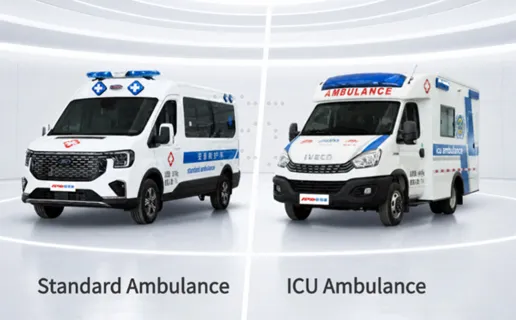
Many APK mobile clinics integrate advanced monitoring technologies such as ICU Monitoring and Transport Equipment, allowing healthcare workers to stabilize patients before transferring them to hospitals.
These systems enable emergency teams to perform real-time patient monitoring and provide life-saving support during transport.
The success of a mobile healthcare vehicle largely depends on effective mobile clinic design and vehicle integration.
A well-designed mobile clinic must ensure efficient workflow, comfortable patient experience, and safe medical operations.
A proper mobile health clinic design must consider how doctors, nurses, and patients will interact within a limited vehicle space.
Typical interior layouts include:
Examination tables
Medical cabinets and storage systems
Diagnostic equipment installation areas
Seating for patients and medical staff
An optimized mobile medical unit design ensures that healthcare professionals can perform examinations efficiently while maintaining a comfortable working environment.
Choosing the right vehicle platform is another critical aspect of mobile clinic design.
Different vehicle platforms can support different medical functions.
For example: Compact Light Trucks are often used as cost-effective mobile clinic platforms for urban healthcare services. Durable Pickup Trucks are ideal for mobile clinics operating in remote or rugged environments. Selecting the appropriate vehicle platform helps ensure reliability and long-term operational performance.
Modern mobile clinics require reliable electrical systems to support medical equipment, lighting, and communication devices.
Many advanced mobile clinics now include:
Independent power supply systems
Satellite or 5G communication networks
Telemedicine integration platforms
These technologies allow doctors inside a mobile medical unit to communicate with hospital specialists in real time.
Another important consideration when planning a mobile healthcare project is cost.
The APK mobile clinic van price varies depending on several factors.
The base vehicle platform significantly influences the total cost. Smaller vehicles generally cost less, while larger specialized vehicles may require additional engineering and customization.
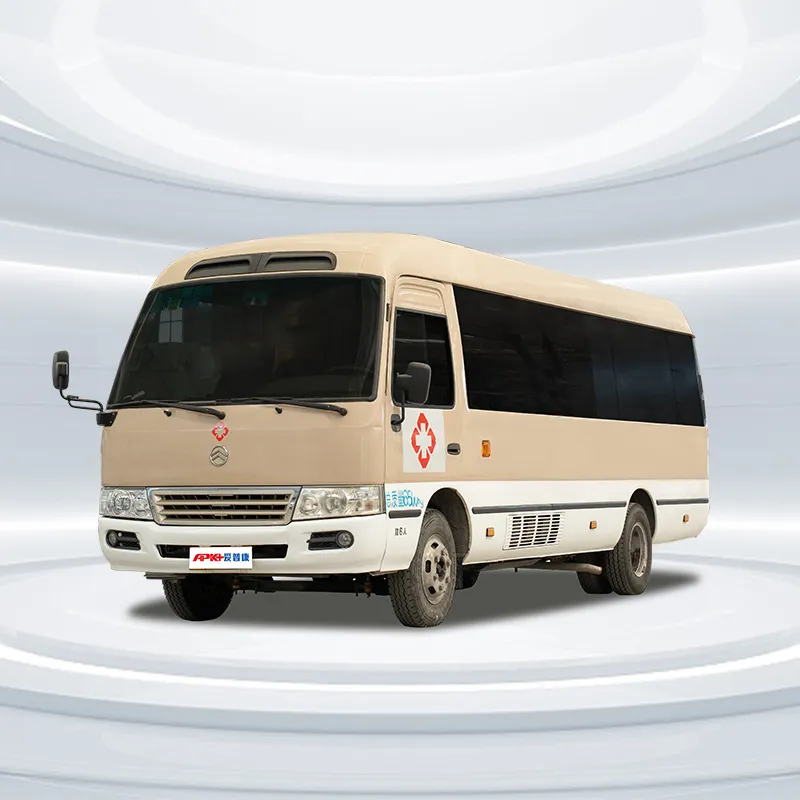
The type of equipment installed inside the clinic also affects the final mobile clinic price.
Examples of equipment include:
ECG monitoring systems
Ultrasound scanners
Blood testing equipment
Telemedicine communication devices
Advanced monitoring systems such as those used in emergency transport can further increase the cost.
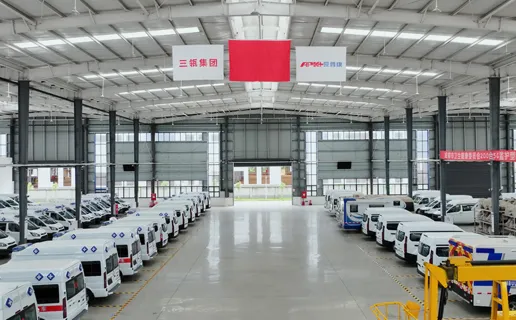
Customized cabinets, storage systems, and medical workstations can also impact pricing. For this reason, many manufacturers offer modular designs that allow buyers to select equipment based on their project requirements.
The design of APK mobile medical units continues to evolve as healthcare technology advances.
Modern mobile medical unit design focuses on flexibility, digital connectivity, and efficient medical workflows.
Some important trends in the industry include:
Telemedicine is transforming how mobile clinics operate. By connecting vehicles with hospitals and specialists, doctors can access expert advice during patient examinations.
Many modern mobile medical units use modular equipment systems that can be easily installed or upgraded.
This approach allows vehicle manufacturers and medical equipment providers to collaborate more efficiently.
In large healthcare operations, mobile clinics are often supported by additional vehicles used for logistics, sanitation, or accommodation. For example, sanitation vehicles such as Rear Loader Garbage Trucks may be used to maintain hygiene and waste management in temporary medical camps.
Similarly, vehicles such as RV Vehicles can provide accommodation or mobile command centers for medical staff working in remote areas.
When planning an APK mobile healthcare project, buyers often request technical documentation such as a mobile medical unit pdf.
These documents usually include:
Vehicle specifications
Interior layout drawings
Equipment installation diagrams
Power system configuration
Telemedicine integration details
Such documentation helps government agencies, vehicle manufacturers, and healthcare providers understand the capabilities of the mobile clinic before deployment.
Mobile healthcare solutions will continue to play a vital role in global healthcare systems.
With advancements in digital healthcare technologies, APK future mobile medical units will become even more capable.
Emerging technologies include:
AI-assisted diagnostics
Remote patient monitoring systems
Cloud-based healthcare data platforms
Smart medical devices integrated into mobile clinics
These innovations will further improve healthcare accessibility and efficiency worldwide.
Mobile healthcare vehicles have become a powerful solution for delivering medical services to communities that lack access to traditional hospitals.
Understanding the mobile clinic meaning, mobile clinic applications, mobile clinic design, and the cost structure of a mobile clinic van price helps organizations choose the right mobile healthcare strategy.
From community health screening to emergency medical response, APK modern mobile medical units combine advanced medical equipment, digital communication technology, and reliable vehicle platforms.
Technologies such as ICU Monitoring and Transport Equipment and versatile vehicle platforms like Light Trucks, Pickup Trucks, Rear Loader Garbage Trucks, and RV Vehicles are all part of the broader mobile healthcare ecosystem.
Together, these solutions enable healthcare providers to deliver medical services more efficiently and reach communities wherever they are needed.