




Tel:
+86 15680081222
Imagine a sudden, severe medical crisis striking during a family getaway in a remote mountain cabin. A winding, two-lane dirt road might mean a grueling three-hour drive to the nearest hospital, a delay that could easily turn tragic. This is exactly where an air ambulance steps in to rewrite the story. By launching a highly equipped team into the sky, a dangerously slow ground journey instantly transforms into a swift, lifesaving flight.
According to emergency room doctors, survival in these high-stakes situations often depends on the Golden Hour. This well-known medical concept refers to the critical 60-minute window immediately following a major trauma or stroke. During this brief period, prompt medical intervention drastically increases a patient's chances of survival and recovery. The ticking clock, rather than the injury itself, frequently becomes the greatest enemy a patient faces.
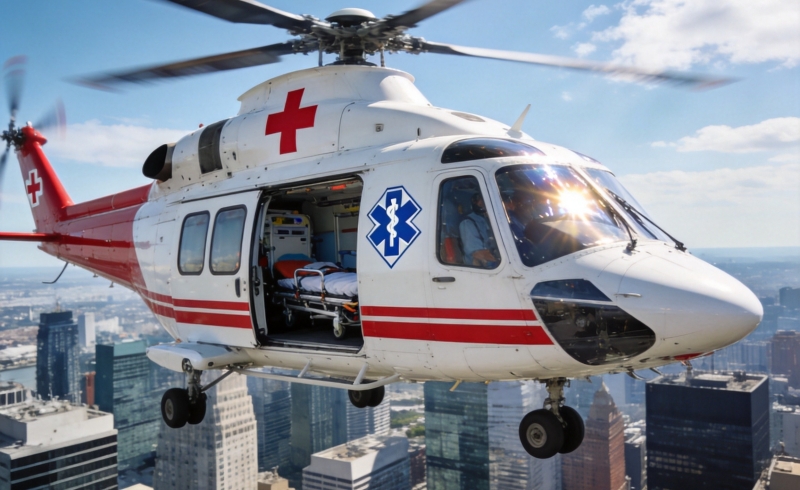
Helicopter Emergency Medical Service (HEMS)
Features: Vertical takeoff and landing, flexible, low-altitude flight, short-distance operation; suitable for urban and mountainous areas
Coverage radius: Approximately 100–250 km
Application scenarios: Pre-hospital emergency treatment, highway accident rescue, mountain rescue, inter-city rapid patient transfer
Fixed-Wing Air Ambulance (FWAA)
Features: Long-distance flight, high-altitude cruise, stable flight, spacious cabin space
Coverage radius: Inter-provincial and cross-border transportation
Application scenarios: Inter-city critical patient transfer, international medical evacuation, organ transportation
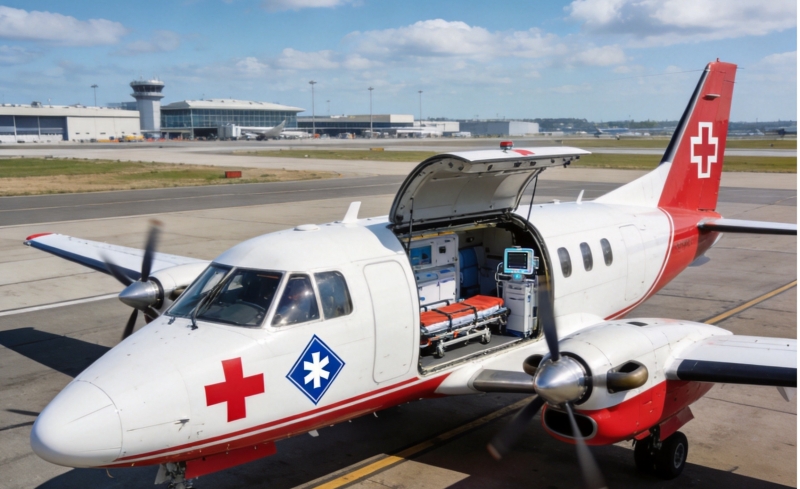
Think of a traditional ground rescue, and now picture an Intensive Care Unit taking flight. An emergency medevac is far more than simply a fast helicopter; it operates as a fully functioning, mobile emergency room. This specialized medical transport directly bridges the terrifying gap between isolated locations and advanced hospital care. By bypassing traffic and winding terrain, these aviation crews regularly condense a three-hour ground transit into a smooth twenty-minute airborne sprint.
Item | Traditional Ambulance | Air Ambulance |
Carrier | Ground vehicle | Helicopter / Fixed-wing aircraft |
Speed | 60–100 km/h | 200–350 km/h (Helicopter)600–900 km/h (Fixed-wing) |
Coverage Scope | Urban / Short-distance | Inter-city, inter-provincial, cross-border, mountainous / island areas |
Medical Capacity | Basic to intermediate monitoring | Advanced Life Support (ALS), mobile ICU level |
Cost | Low | High (professional refitting + air traffic control + flight crew + medical staff) |
Overcoming vast distances with incredible speed offers families deep peace of mind during life's most vulnerable moments. Knowing that highly trained professionals can deliver bedside medicine directly to a rural highway proves that geography no longer has to dictate survival.
When a medical crisis strikes in a rural town, winding roads and heavy traffic quickly become a patient's biggest enemy. While traditional ambulances are perfect for everyday emergencies, a medical helicopter—known in the industry as Helicopter Emergency Medical Services (HEMS)—turns a three-hour drive into a twenty-minute journey. This incredible speed relies on point-to-point logistics. Rather than navigating streetlights and detours, the aircraft flies directly from a highway crash site or a small local clinic straight to a major hospital's rooftop helipad.
First responders do not send out these flying intensive care units for just any 911 call. To authorize an emergency medical flight, medical professionals look for three critical triggers:
Remote Location: The patient is far from paved routes or a local emergency room, making ground rescue dangerously slow.
Time-Sensitive Conditions: The individual is suffering a major trauma, stroke, or heart attack, where saving minutes directly saves brain or heart tissue.
Specialized Care Needs: A small-town hospital has stabilized the patient, but they urgently require a specific surgeon miles away.
Weighing HEMS vs ground transport benefits ultimately comes down to the "Golden Hour" of survival. While ground crews provide exceptional care, air ambulance services step in when distance or terrain makes a life-saving timeline impossible by car. However, what happens if the necessary treatment center isn't just over the mountain, but across the country? That shifts the conversation toward choosing the right aircraft for the mission.
Moving a patient a few counties over is entirely different from transporting them across the country. Differentiating between rotary-wing and fixed-wing medical transport is essential when families face long-distance medical crises. Rescue helicopters excel in tight spots, but they simply lack the fuel capacity and speed to fly a patient from Florida to New York.
Traditional medical helicopters are designed for rapid, short-range emergencies that happen within a 150-mile radius. They act as ultimate first responders because they can land directly on a highway or in a hospital parking lot without needing a runway. However, because they fly at lower altitudes, the ride can be bumpy and heavily influenced by local weather conditions.
For journeys stretching hundreds or thousands of miles, a jet rescue air ambulance takes over. These specialized airplanes require an airport for takeoff and landing, but they offer crucial fixed-wing medical jet features that helicopters lack, such as massive fuel ranges and smoother cruising altitudes. This allows patients to bypass regional facilities entirely to reach world-renowned specialists in other states.
Just as your ears pop on a commercial flight, altitude changes physically impact a patient's heart and lungs. Medical jets combat this by tightly controlling cabin pressure to ensure oxygen levels remain steady and safe. Once the right aircraft is chosen to manage these physical stresses, the focus shifts to securing the advanced care required inside—essentially building an ICU at 30,000 feet.
Stepping inside a medical jet looks vastly different from boarding a commercial airliner or even a standard street ambulance. Every inch of the cabin is engineered to function as a mobile Intensive Care Unit, bringing the life-saving capabilities of a hospital directly to the sky. To maintain steady, safe conditions during a journey, these aircraft are outfitted with specialized in-flight intensive care equipment designed to operate flawlessly under the physical stresses of altitude.
This compact, high-tech environment relies on several essential tools to monitor and support patients continuously:
Transport ventilators: Keep patients breathing steadily when their lungs cannot do the work alone, automatically adjusting to changes in cabin pressure.
Cardiac monitors: Track heart rhythms and vital signs in real-time, instantly alerting the team to any subtle shifts.
Infusion pumps: Deliver precise doses of critical medications and fluids without interruption throughout the journey.
Having advanced technology is only half the equation; the experts operating these devices are what truly save lives. Unlike standard ground paramedics who focus primarily on quick, immediate stabilization, air medical crews undergo rigorous training in aeromedical clinical protocols to manage prolonged, complex emergencies. Critical care flight nurse roles involve acting as both ER practitioners and intensive care specialists at altitude, while some flights even utilize specialized neonatal aeromedical support teams to safely transport fragile premature infants.
For families facing a health crisis, knowing this level of expertise is on board brings immense peace of mind. Because these flight crews coordinate directly with doctors on the ground, the aerial flight itself is just one piece of a perfectly timed puzzle, ensuring safe transport from hospital bed to hospital bed.
Moving a loved one across the country for specialized care often brings anxiety about the journey between facilities. To eliminate these risky gaps in care, the industry relies on the bed-to-bed patient transfer process. This simply means the air medical team takes over at the current hospital bedside and remains with the patient until they are safely tucked into their new room.
Before heading to the tarmac, the medical crew conducts a mandatory pre-flight patient stability assessment. Flight nurses review vital signs, verify oxygen levels, and consult local doctors to ensure the patient can handle the physical stresses of flight. By adjusting medications right in the hospital room, they guarantee safety is established long before takeoff.
Once the patient is cleared, the physical move relies on tightly choreographed global rescue flight logistics. Families are completely relieved of planning duties as coordinators execute a precise five-step sequence:
1. Dispatch: Medical planners simultaneously align the aircraft, flight crew, and local ground ambulances.
2. Ground Transport A: The flight team safely moves the patient from the local hospital to the departing airport.
3. Flight Leg: The mobile ICU takes to the sky, covering the long-distance journey.
4. Ground Transport B: A waiting local ambulance meets the aircraft immediately upon landing.
5. Hospital Admission: The crew delivers the patient directly to the receiving doctors.
Witnessing this seamless coordination offers incredible comfort when families feel most vulnerable. Yet, deploying specialized aviation and medical teams for a single patient involves significant financial realities, pointing directly toward the next major hurdle: navigating the high costs of air transport.
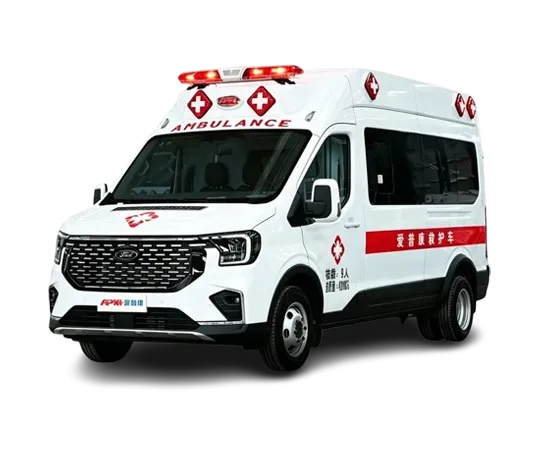
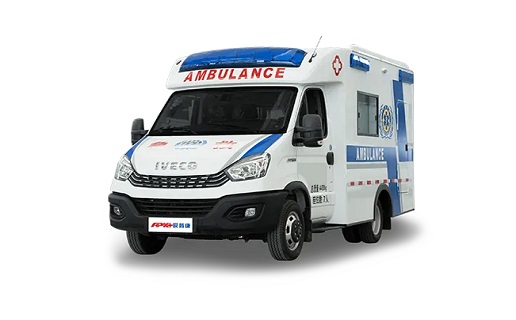
APK offers a fully integrated air ambulance solution , designed to provide seamless, end-to-end medical transport for patients in critical need. By combining rapid long-distance air evacuation with coordinated ground pickup and delivery, APK ensures that patients are transported without delays or gaps in care—from the initial point of emergency directly to the receiving medical facility. This integrated model eliminates the common challenges of transferring patients between separate transport providers, streamlining logistics, reducing handoff risks, and maintaining continuous clinical monitoring throughout the entire journey. Whether responding to rural emergencies requiring helicopter extraction, inter-facility transfers via fixed-wing aircraft, or last-mile ground ambulance services, APK delivers a unified, patient-centered approach that prioritizes speed, safety, and medical stability at every stage of transport.
To give you peace of mind when time is crucial, having a checklist ensures you can confidently select a provider that meets your needs:
Check Certifications: Ensure the provider is CAMTS and FAA certified.
Verify Medical Staff: Confirm that skilled critical care professionals will be onboard.
Review Insurance Options: Understand your policy’s coverage for air ambulance services.
Confirm Bed-to-Bed Service: Ensure all ground transportation and air travel are coordinated.
By familiarizing yourself with air ambulance services, you empower yourself to make informed decisions during moments of crisis. While we hope you never find yourself needing these services, knowing what to expect can help you secure the timely, life-saving care your loved ones deserve.