






Tel:
+86 15680081222
Imagine a midnight emergency call where the only sound is crunching gravel, missing the familiar roar of a heavy diesel engine. First responders have long battled the "idling paradox." According to public health data, traditional vehicles must run constantly to keep life-saving medical gear powered. Consequently, they pump exhaustedly directly into hospital loading zones where patients go to heal.
Zero-emission first responders are finally changing this narrative. Cities like London and New York are already testing the modern ambulance electric vehicle, which silently powers equipment like a giant battery. The environmental impact of transitioning EMS fleets extends far beyond climate goals. Real-world pilots prove each green ambulance delivers three immediate upgrades: healthier air, quieter neighborhoods, and lower maintenance costs.
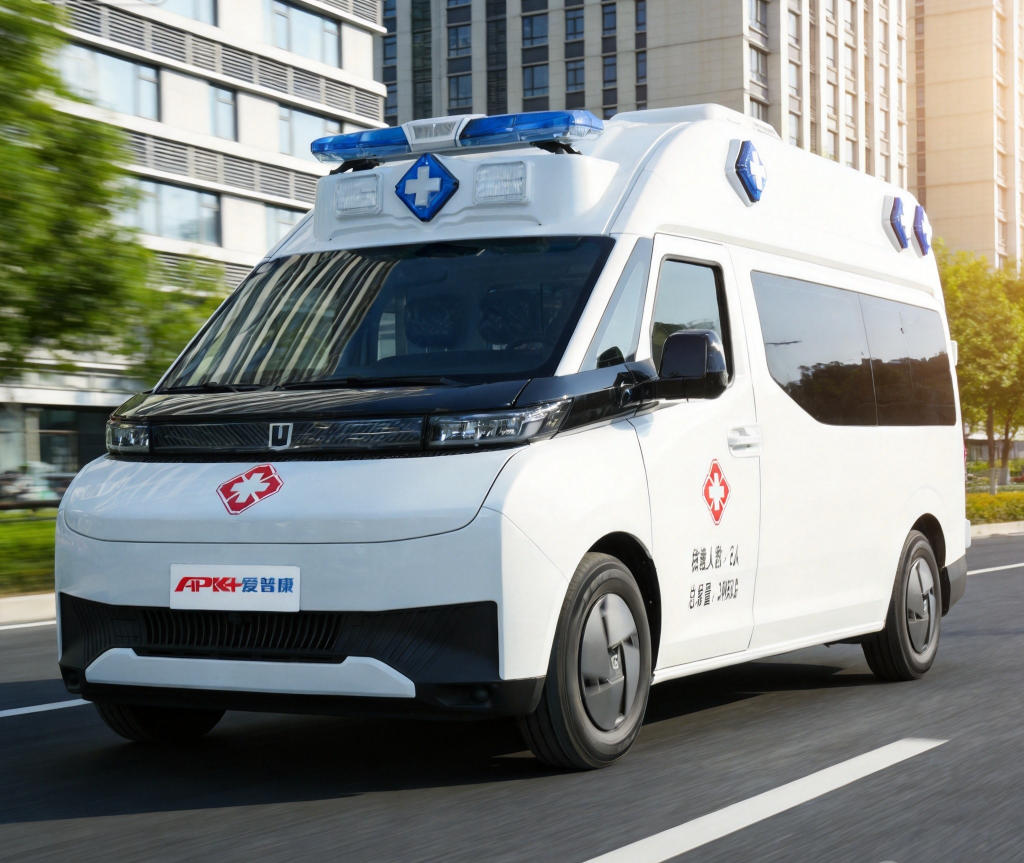
Traditional ambulances face a paradox: they must idle noisy, exhaust-heavy engines just to keep vital tools running. Electric models solve this using a strategy similar to your smartphone. Like a phone running multiple apps off one charge, these vehicles act as giant power banks, silently handling power loads for life-saving medical equipment without a running motor.
Managing this energy requires smart technology like telematics—the vehicle’s onboard computer system. It seamlessly balances the performance of eco-friendly emergency response vehicles across competing needs. Instead of burning diesel, it replaces engine power with battery power for crucial systems:
Heart Monitors: Silent battery electricity replaces engine-driven alternators.
Medication Refrigerators: Continuous battery power replaces engine-dependent charging.
Climate Control: Battery temperature management replaces idling engine emissions.
When dispatched, the electric motor delivers instant torque—immediate, gear-free acceleration to reach top speed quickly.
Engineers also improved construction by using a modular design for battery-powered medical bodies. This means the customized patient cabin is a separate compartment easily swapped onto new electric frames if the base truck ages out. Removing the rumbling gas engine and utilizing this clever separation leads directly to a crucial benefit: significantly improved patient care through a quiet, stable environment.
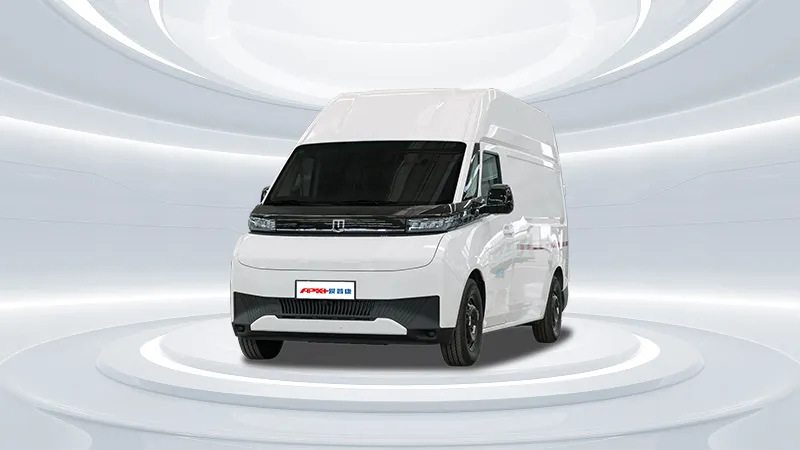
One of the leading supplier is APK electric ambulance , a manufacturer that has turned these theoretical benefits into tangible roadside reality. Their latest ambulance electric model doesn't just strip out the gas tank; it completely re-engineers the chassis from the ground up to handle the specific weight of medical modules without sacrificing maneuverability. By integrating a high-density battery pack directly into the reinforced floor, APK lowers the vehicle's center of gravity, virtually eliminating the roll risk that heavy electric vehicles often face during urgent turns.
Inside the medical cabin, eliminating the roar of a diesel engine does more than calm nerves; it allows paramedics to clearly hear faint heartbeats through a stethoscope. The noise reduction benefits for patient transport directly improve diagnostic accuracy, meaning life-saving decisions happen faster.
Removing the traditional gas motor also eliminates constant physical shaking. Older trucks inherently rumble, causing vibration-induced diagnostic interference that makes heart monitor readings jitter or complicates placing an IV needle. Thanks to the smooth performance of eco-friendly emergency response vehicles, patients experience a remarkably stable ride, preventing further physical stress during rapid transit.
Arriving at the hospital bay reveals one final immediate benefit: completely breathable air. These trucks never pump toxic exhaust into the covered emergency entrances where vulnerable patients are unloaded. While advancing sustainable emergency medical services creates healthier communities, building these rolling hospitals requires serious structural reinforcement to handle the increased weight of modern power systems.
Carrying a mobile emergency room requires serious muscle, but electric batteries are incredibly heavy. To handle this extra load safely during high-speed turns, an electric ambulance relies on a reinforced chassis—essentially, heavy-duty "bones." Proper weight distribution in electrified patient transport units keeps the vehicle perfectly balanced, ensuring it stays completely stable when navigating tight city corners.
Stopping such a massive truck actually works to the driver's advantage. Every time the paramedic presses the brake pedal, the motor captures that stopping energy and feeds it directly back into the battery. This regenerative braking in heavy-duty medical vehicles acts like a built-in generator, constantly topping off the power supply during stop-and-go city traffic.
What about the fear of a dead battery mid-rescue? Ensuring reliable battery range for zero emission first responders simply means meeting modern charging infrastructure requirements for medical fleets by using a smart 3-step charging strategy during a standard 12-hour shift:
Morning start: Depart the local station fully charged.
Hospital standby: Plug into rapid chargers while unloading patients.
Station breaks: Top off the battery during paramedic paperwork time.
With reliable power guaranteed, the focus naturally shifts to the long-term financial viability of upgrading to green fleets.
At first glance, an electric ambulance has a higher sticker price than a standard diesel model. But evaluating the true expense means looking at the total cost of ownership for electrified fleets. This measures every dollar spent over a decade. When comparing an EV vs internal combustion engine emergency transport, the battery-powered version quickly saves taxpayer money because daily charging costs a fraction of fueling up with diesel.
Furthermore, maintaining lithium-ion powered medical units prevents "fleet downtime"—the hours a truck is stuck in the shop instead of saving lives. Because electric motors have very few moving parts, mechanics no longer have to worry about traditional engine wear, eliminating these four common repairs:
Routine oil changes
Transmission service
Exhaust system repairs
Frequent brake pad replacements
Communities rarely shoulder these initial purchase costs alone. Cities regularly tap into state and federal funding opportunities for green first responder programs to bridge the price gap. With grants lowering the upfront cost and eliminated engine repairs saving daily tax dollars, the financial puzzle is solved, bringing zero-emission emergency response closer to reality for local neighborhoods.
You no longer have to wonder if a grid failure will ground your local rescue squad. Emergency stations use heavy-duty backup generators to keep rapid charging solutions for paramedic stations operational, making these new vehicles incredibly resilient during outages.
Over the next decade, sustainable emergency medical services will become the standard. The environmental impact of transitioning EMS fleets means cleaner hospital zones and quieter midnight streets for everyone. Accelerating this change begins at the local level through community support for electric vehicle pilot programs and reliable emergency charging infrastructure.