

Tel:
+86 15680081222
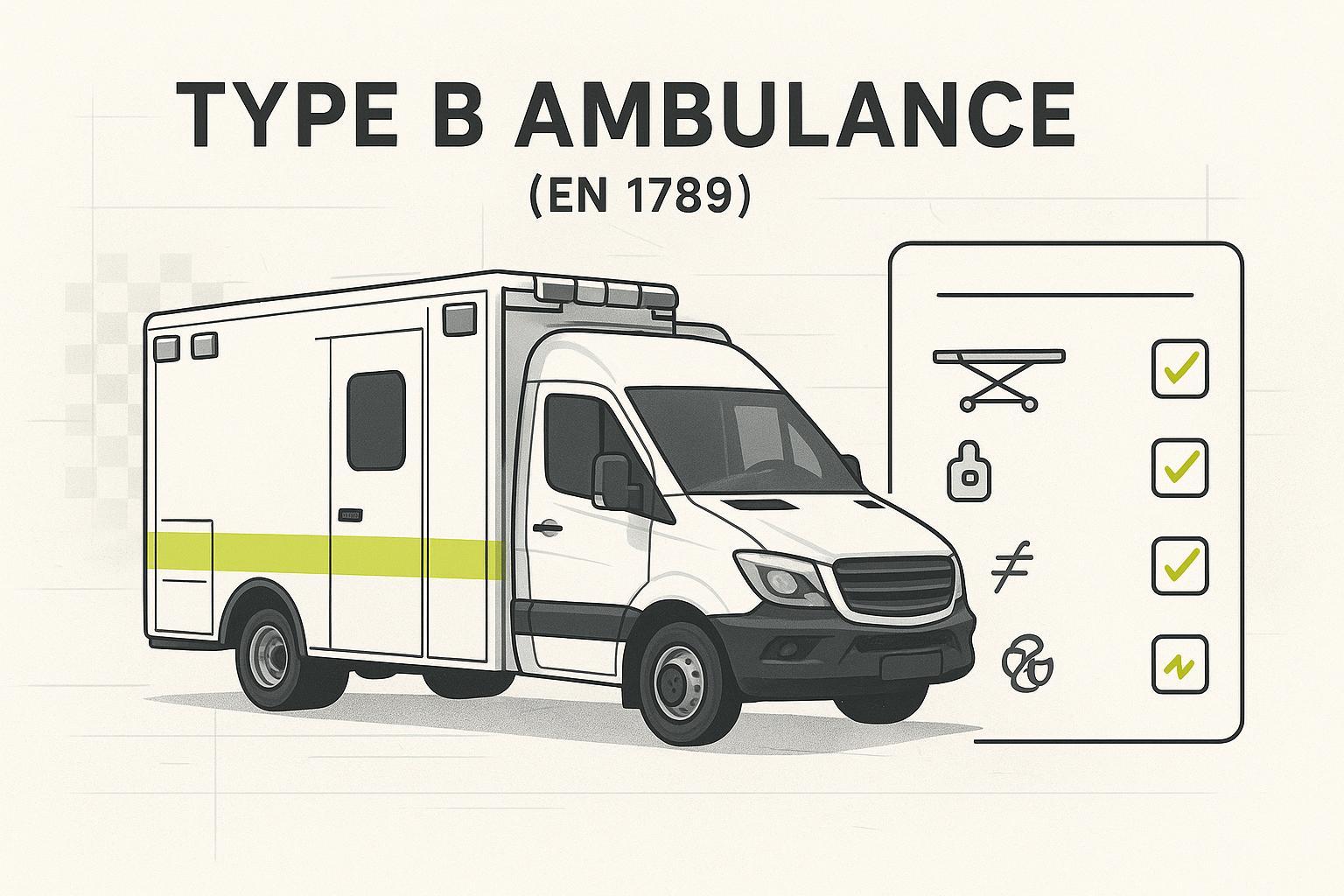
Buying an emergency ambulance isn't like buying a van with medical decals. If you're procuring a Type B ambulance (an EN 1789 ambulance category), you're buying a system: vehicle + patient compartment + restraints + electrical + oxygen + safety documentation. The fastest way to get this wrong is to focus on “equipment list” and skip the evidence that the whole build is safe and compliant.
This is an emergency ambulance Type B purchase decision, so the bar is simple: can the supplier prove safety, compliance, and support—not just list equipment.
This checklist is anchored to EN 1789 (European road ambulance standard). Local requirements can vary by country and authority—use this as your evaluation framework, then confirm the final specification with your local regulator or EMS authority.
EN 1789 categorizes road ambulances by care level (Type A1/A2 patient transport, Type B emergency ambulance, Type C mobile ICU). A Type B ambulance is the emergency ambulance category—built and equipped for emergency response with space and systems to support basic treatment and patient monitoring.
If you need the exact standard edition and scope, start with the official listing for EN 1789:2020+A1:2023 “Medical vehicles and their equipment — Road ambulances”, and use a certification body's overview (for example ATS Group's EN 1789 certification overview) to understand how conformity is assessed.
Before you request quotes, write down answers to these five questions. They drive the layout, electrical load, HVAC capacity, and budget.
1. Primary mission: emergency response and transport, inter-facility transfers, event coverage, or mixed?
2. Crew model: driver + EMT, driver + paramedic, or clinician-led?
3. Patient profile: mainly adult, bariatric risk, pediatric mix?
4. Equipment load: monitor/defib, suction, oxygen capacity, ventilator (if any), infusion devices?
5. Operating environment (Middle East emphasis): typical summer temperatures, dust exposure, long idle times, long highway transports, rural response?
Pro Tip: Ask each bidder to confirm the total electrical load (continuous + peak) and the HVAC performance assumptions they used. In hot climates, vague HVAC promises are a common failure point.
Use this as a structured “Yes/No + evidence” checklist. The key is not whether a supplier says yes—it's whether they can provide the right documents and test evidence.
Supplier provides a clear statement of EN 1789 category compliance for the offered configuration (Type B).
Supplier provides a bill of materials (BOM) for patient-compartment components and fixation points.
Supplier provides electrical schematics (including isolation, fusing, and auxiliary power logic).
Supplier provides warranty terms (vehicle base + conversion) and a preventive maintenance schedule.
Supplier provides a pre-delivery inspection (PDI) checklist and acceptance test procedure.
Supplier confirms which items are covered by EN 1789 vs. governed by local rules (registration, licensing, staffing)—so you don't assume the standard covers everything.
Stretcher and loading system are compatible with relevant patient-handling standards (often referenced alongside EN 1789, such as EN 1865 stretcher requirements for patient handling equipment).
Seat belts, crew seating, and any equipment mounts are designed for crash safety (ask how fixation and restraint performance is verified).
Cabinetry doors/latches are secure under vibration and emergency driving conditions (ask for design specs and test approach).
Flooring and surfaces are non-slip and cleanable; edges and corners are finished to reduce injury risk.
Adequate auxiliary power for clinical equipment with safe distribution (fusing, isolation, cable routing).
Clear separation between critical and non-critical loads.
Documented approach to electromagnetic compatibility (so added medical devices don't create interference issues).
Shore power / external charging option (if applicable) and safe changeover logic.
Oxygen cylinder capacity and mounting meet safety requirements (secure fixation, protected valve access).
Regulator/flowmeter arrangement is serviceable and protected from accidental damage.
Clearly labeled shutoff points and safe routing (where used).
Surfaces are non-porous and designed for fast wipe-down (no unnecessary seams or dirt traps).
Waste storage and sharps handling areas are defined.
Hand hygiene placement makes sense for workflow (reachable from main work positions).
Heat isn't just comfort—it affects clinician performance and can affect medication/device stability. A 2025 review in Prehospital Emergency Care highlights how tropical/hot environments can expose EMS medications to temperatures outside recommended ranges, reinforcing the need for better mitigation and monitoring practices (“The effects of tropical climate on the stability of emergency drugs …” (2025)).
Checklist items to request:
HVAC performance specs provided for high ambient temperatures (ask for assumptions and test method).
Airflow design supports both patient comfort and crew work zone (avoid “cold driver cabin, hot patient compartment”).
Dust filtration approach described (filters, maintenance intervals, sealing strategy).
If you carry temperature-sensitive meds/devices, supplier provides an option for temperature monitoring or validated storage approaches.
Lighting and reflective markings suited to your jurisdiction (confirm color/marking rules locally).
Step surfaces and grab handles designed for rapid entry/exit.
Door openings support safe loading/unloading for your stretcher system.
Guaranteed lead times for critical spare parts (in writing).
Local or regional service coverage plan (who does warranty work, where, and how fast).
Training included for operators and maintainers (handover training + service manual quality).
Clear escalation path for conversion-related issues vs base-vehicle issues.
⚠️ Warning: If a bidder can't provide a complete documentation pack early (schematics, BOM, acceptance tests), treat it as a procurement risk—not an admin detail.
If you're reviewing multiple bids, score each supplier 1–5 on these dimensions:
1. Evidence strength: clarity and completeness of compliance documentation.
2. Build safety: restraint/fixation design, compartment safety, quality of workmanship.
3. Hot-climate readiness: HVAC specs, dust filtration plan, temperature monitoring options.
4. Serviceability: access to components, spare parts plan, maintenance documentation.
5. Delivery reliability: realistic timelines, chassis availability, project management.
You'll notice price isn't on the list. That's intentional. Price comes after you've filtered for safety, compliance evidence, and lifetime support.
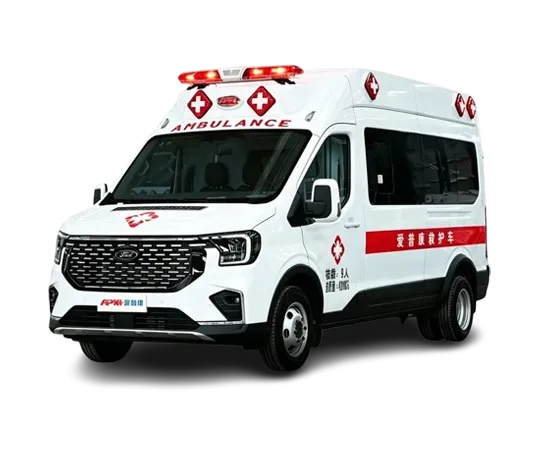
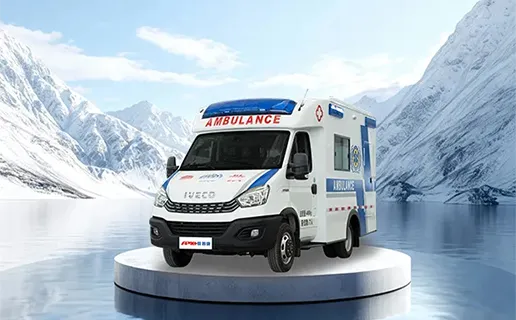
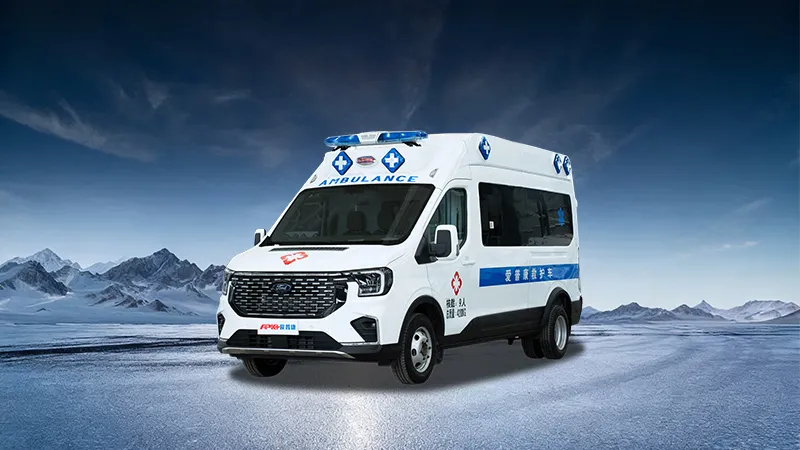
If you want a supplier example, APK Vehicle manufactures ambulances with a strong focus on customization and safety-oriented builds, and publishes a broad product range you can reference when defining your requirements (see APK Vehicle products overview). Treat this as one option in your shortlist—and use the checklist above to evaluate any supplier the same way.
Before you enter final price negotiation, ask each shortlisted supplier for:
EN 1789 category statement (Type B configuration)
Patient compartment drawings/layout
Electrical schematics + load assumptions
HVAC performance assumptions (especially for Middle East summer conditions)
Warranty + service plan + spares lead times
PDI and acceptance test procedure