




Tel:
+86 15680081222
Recently, nine government departments—led by the Ministry of Industry and Information Technology (MIIT)—jointly issued the *Action Plan for Promoting the Innovative Development of the IoT Industry (2026–2028)*. This plan systematically advances the development of the IoT industry across key areas, including device upgrades, network capabilities, and platform construction. By 2028, the goal is to reach a scale of tens of billions of IoT terminal connections, propelling the industry as a whole into a new phase characterized by intelligence and large-scale deployment.
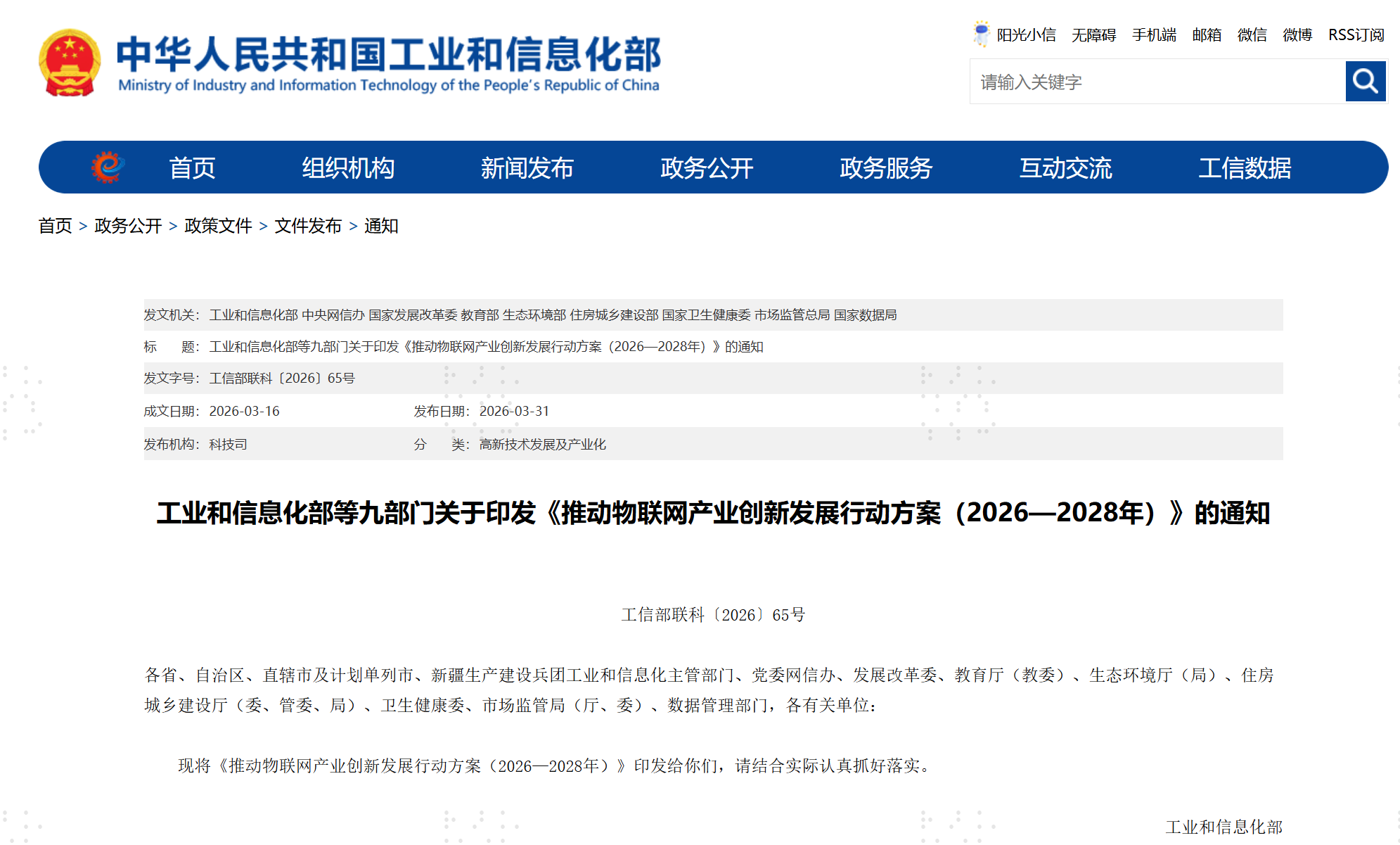
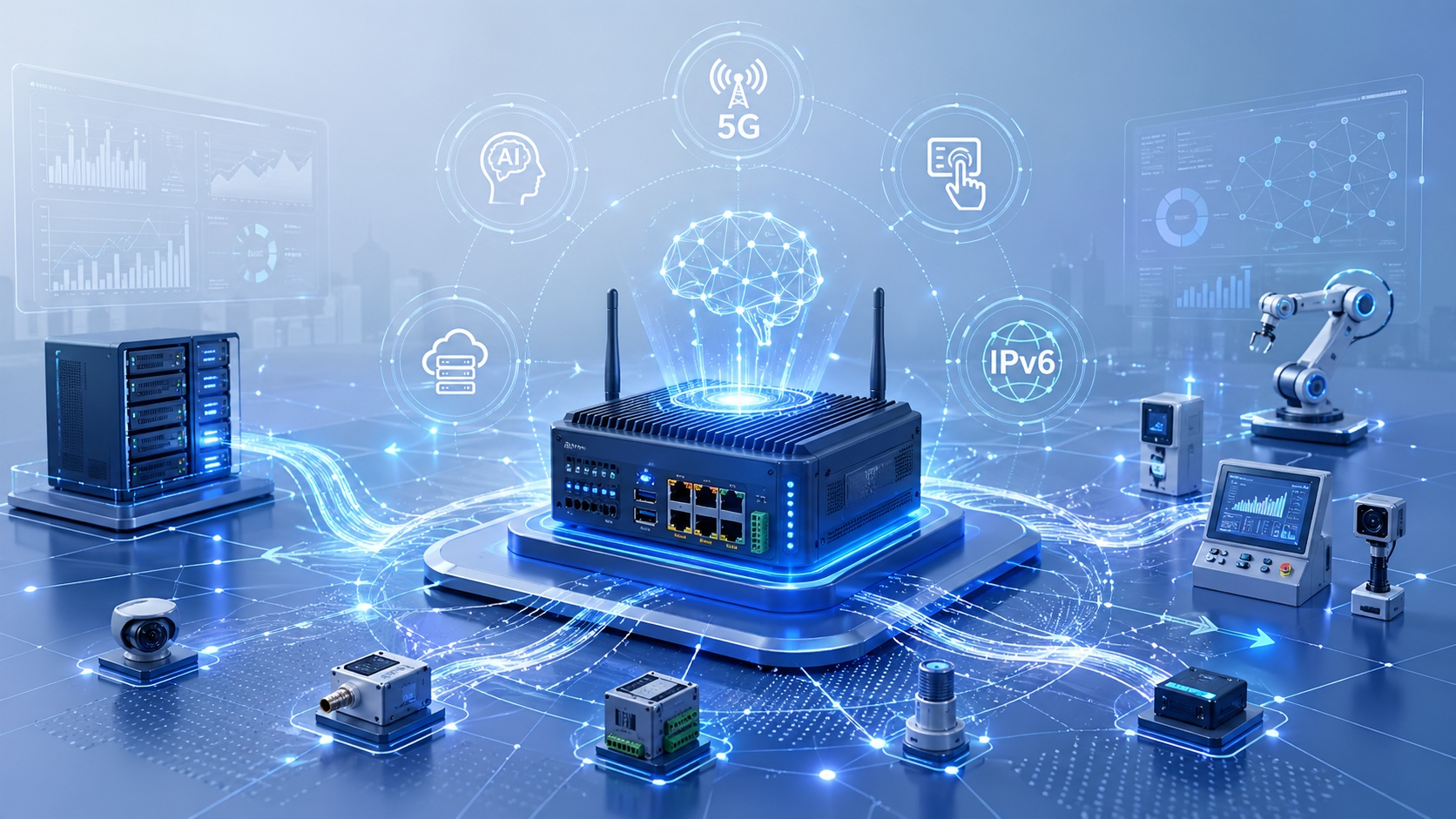
The policy explicitly calls for accelerating the upgrade of application terminals toward greater intelligence and connectivity. Through the integration of technologies such as Artificial Intelligence (AI), 5G, human-machine interaction, and edge computing, terminal devices will transition from "simple connectivity" to "intelligent perception and decision-making," significantly enhancing their data processing and interaction capabilities. Concurrently, the large-scale deployment of IPv6 will further bolster the interconnectivity capabilities of these devices.
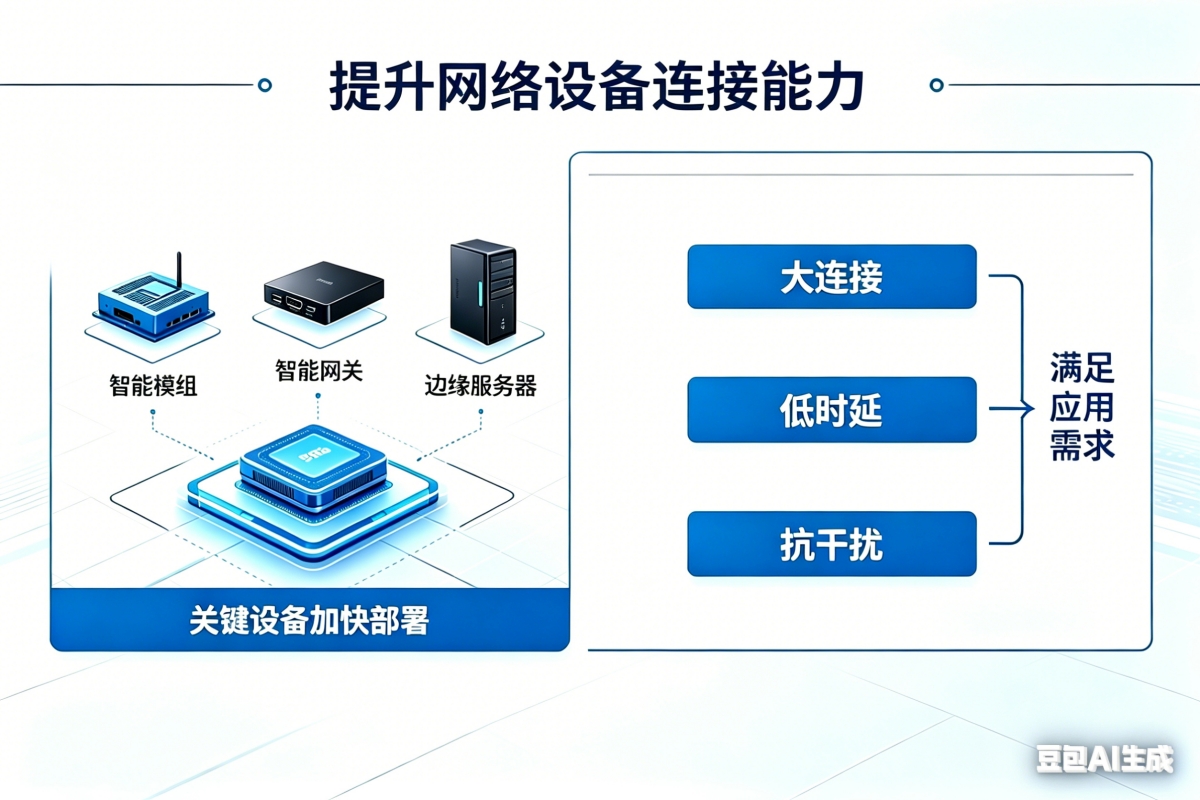
The *Action Plan* emphasizes the need to enhance the connectivity capabilities of network equipment to meet application demands for massive connectivity, low latency, interference resistance, and low power consumption. Key equipment—including intelligent modules, smart gateways, and edge servers—will see accelerated deployment to provide the foundational network infrastructure required for the large-scale application of IoT technologies.
The evolution of the IoT is no longer limited to the upgrading of individual devices or systems; rather, it is shifting toward a collaborative evolution involving "terminals + networks + platforms." This is particularly evident in scenarios demanding high levels of real-time responsiveness and reliability—such as emergency medical services and emergency management—where the data interconnectivity and system collaboration capabilities between devices are becoming the critical factors determining operational efficiency.
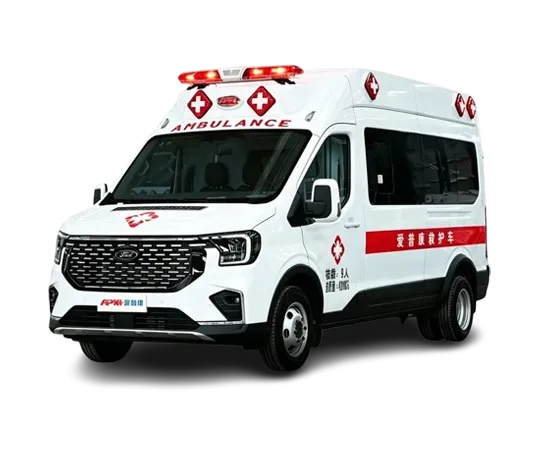
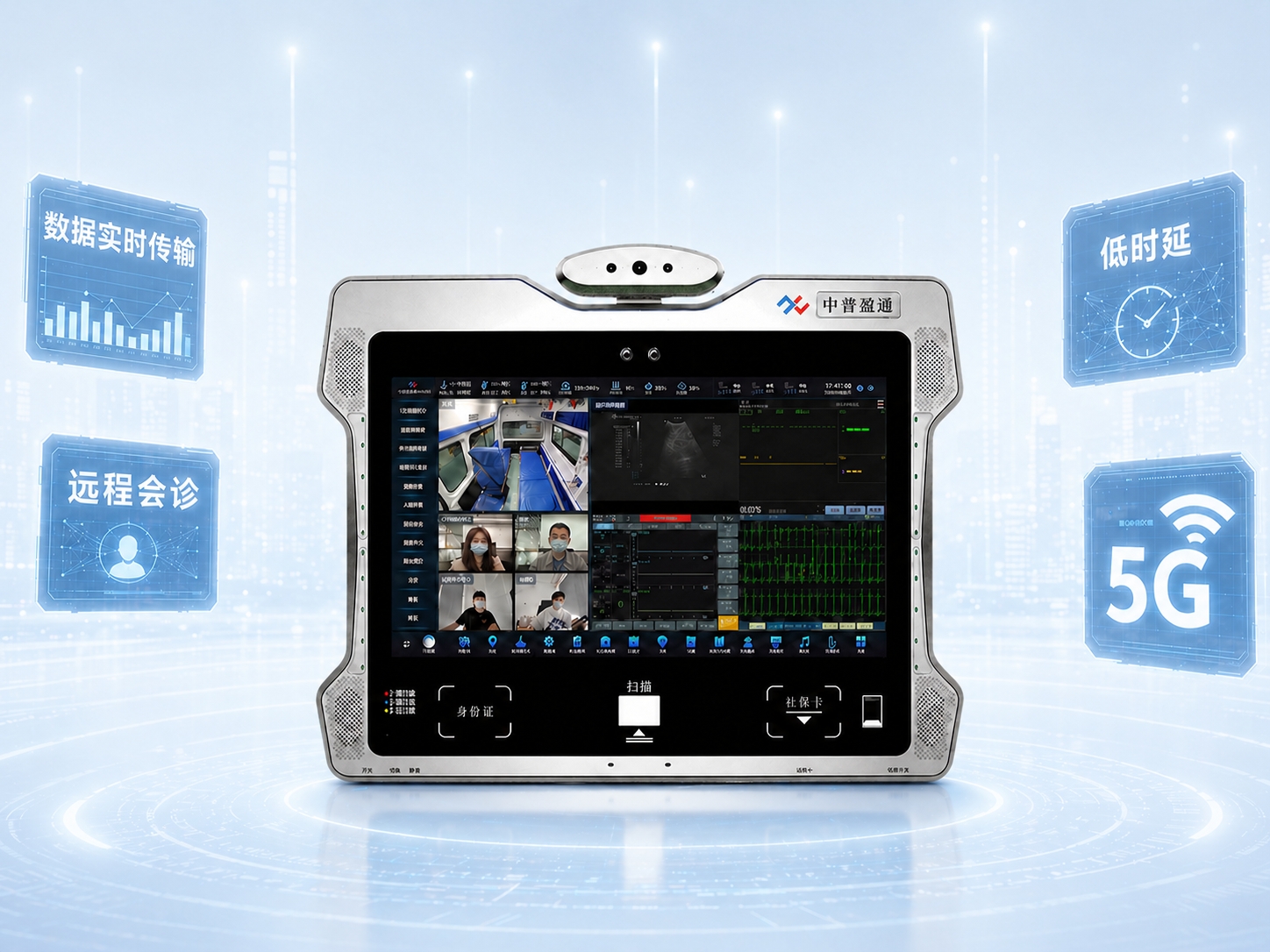
Against this backdrop, devices capable of integrating both communication and data processing functions are gradually becoming the core components of these applications. Integrated 5G smart gateways, for instance, leverage the convergence of 5G networks, data acquisition, and real-time transmission capabilities to facilitate the efficient linkage of information between pre-hospital and in-hospital settings, thereby providing crucial support for on-site incident handling and advance preparations within medical facilities.
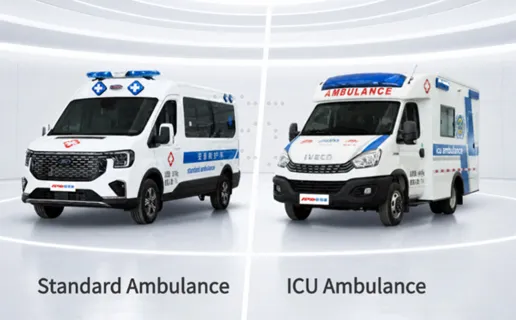
Overall, with the release of the *Action Plan*, the development of the IoT is transitioning from a focus on connecting individual devices to a collaborative evolution encompassing "terminals + networks + platforms." Aligned with this strategic direction, Sanling Group continues to drive the integrated application of 5G communication equipment, specialized vehicles, and emergency medical business systems, delivering increasingly efficient solutions for emergency response and healthcare scenarios.