
Tel:
+86 15680081222
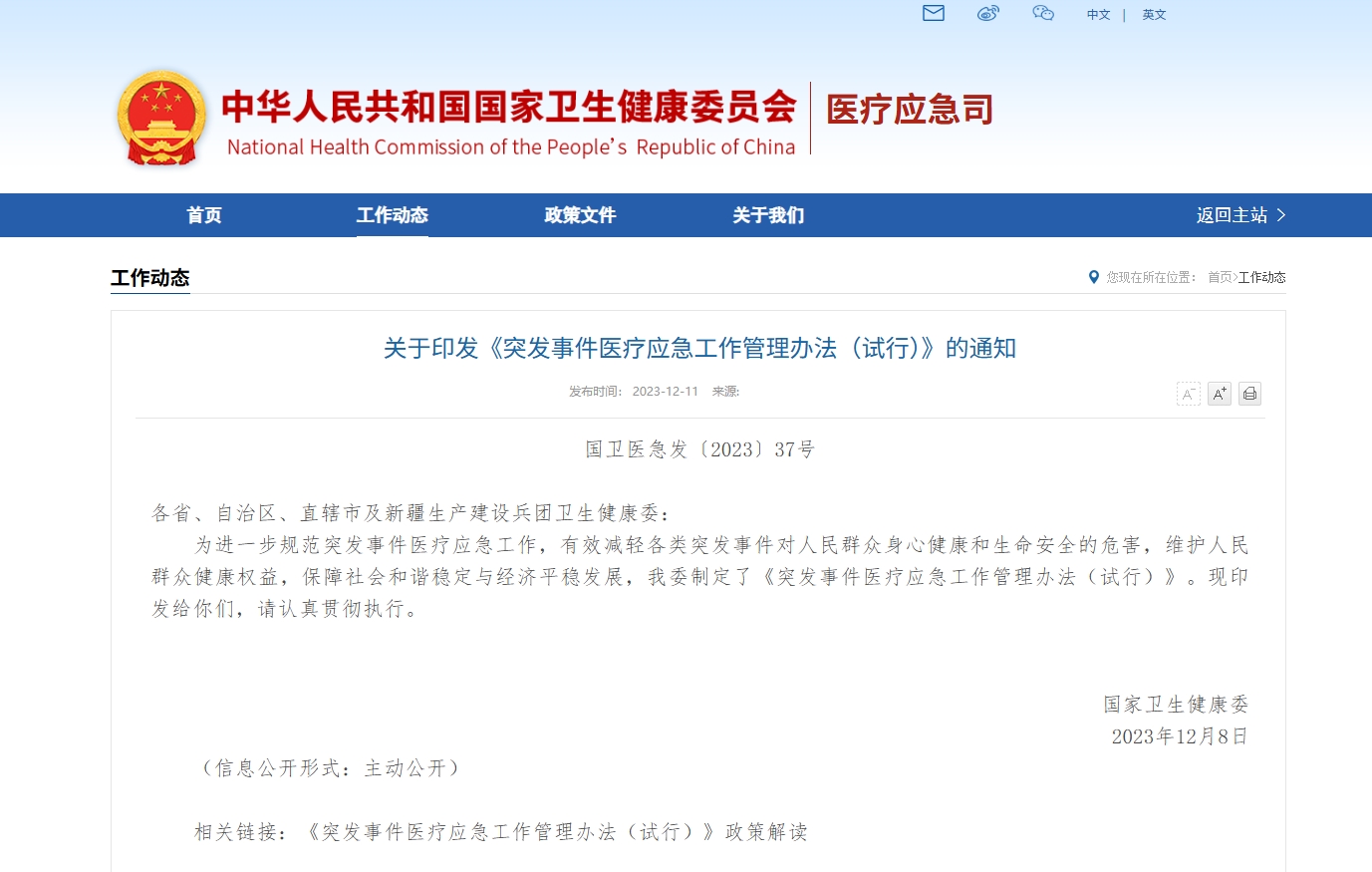
Medical emergency response relies on "rapid response, efficient handling, and safe transport." The *Administrative Measures for Medical Emergency Response (Trial)* stipulate that the equipment for medical emergency teams must be integrated and self-sufficient, encompassing command and communication systems, medical treatment devices, and protective gear. At the scene of a disaster or accident, fixed medical facilities often struggle to meet all needs immediately; specialized vehicles—leveraging advantages such as high mobility, functional integration, and scenario adaptability—serve as a crucial force in bridging the "last mile" of medical rescue operations.
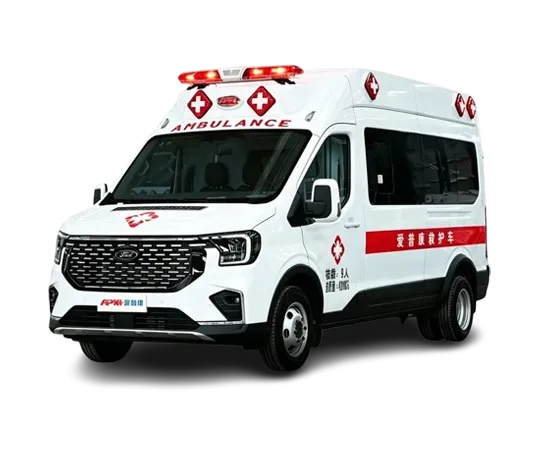
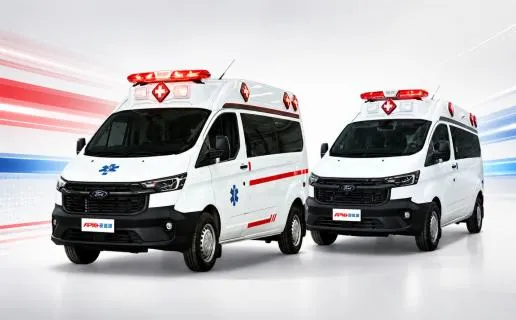
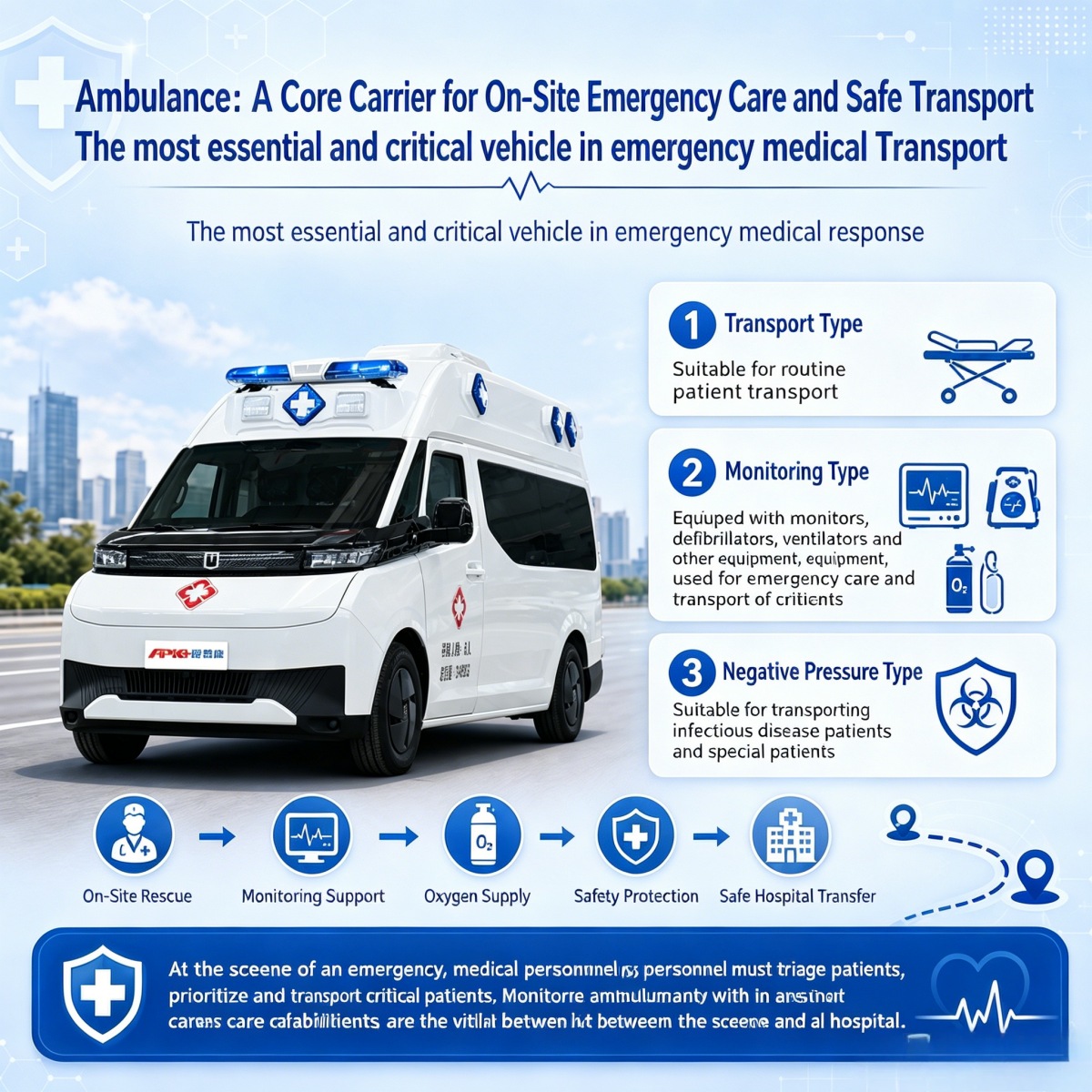
Ambulances are the most fundamental and critical vehicles in medical emergency response.
Depending on their functional configuration, ambulances are categorized into types such as transport, intensive care (monitoring), and negative-pressure units. Transport ambulances primarily handle the transfer of patients with general injuries or illnesses. Intensive care ambulances can be equipped with patient monitors, defibrillators, and oxygen supply systems to manage critically ill patients on-site and provide monitoring during transit. Negative-pressure ambulances are designed for transporting patients with infectious diseases or for scenarios requiring special containment measures.
At the scene of an emergency, medical personnel must triage the injured and prioritize the treatment and transport of critically ill patients. In this context, intensive care ambulances—capable of providing treatment en route—serve as a vital lifeline connecting the scene to the hospital.
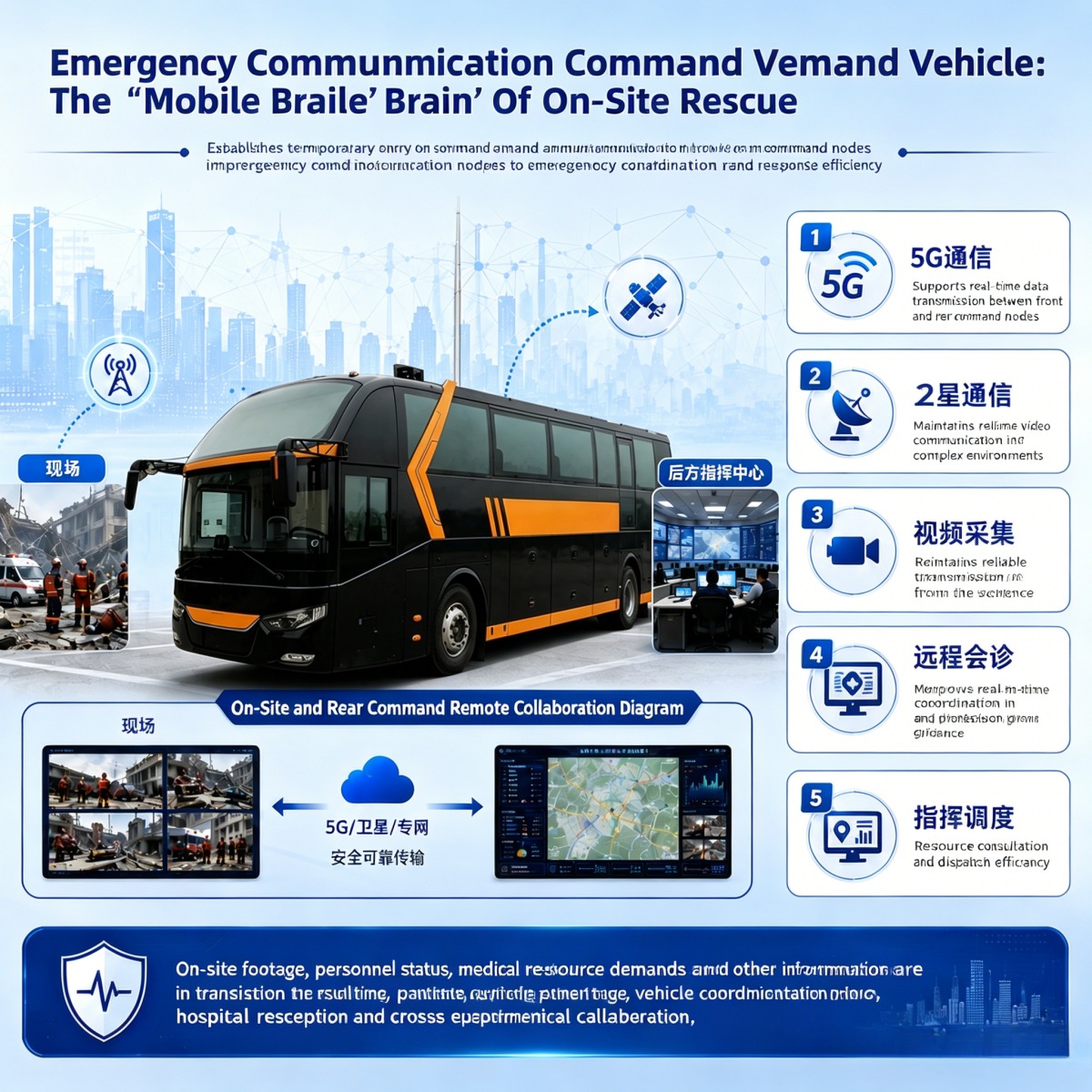
Scenes of emergencies are often complex, frequently presenting challenges such as poor communication, fragmented information, and difficulties in resource coordination. Emergency communication command vehicles integrate capabilities—including 5G and satellite communications, video capture, remote consultation, and command dispatch—to rapidly establish temporary command and communication nodes on-site, enabling seamless information exchange between the frontline and the rear command center. These vehicles facilitate the timely transmission of on-site visuals, personnel status, and medical resource requirements, thereby supporting casualty triage, vehicle dispatch, hospital intake coordination, and inter-departmental collaboration.
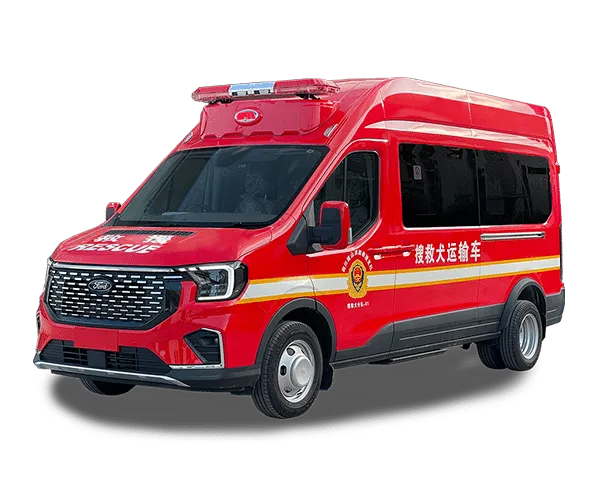
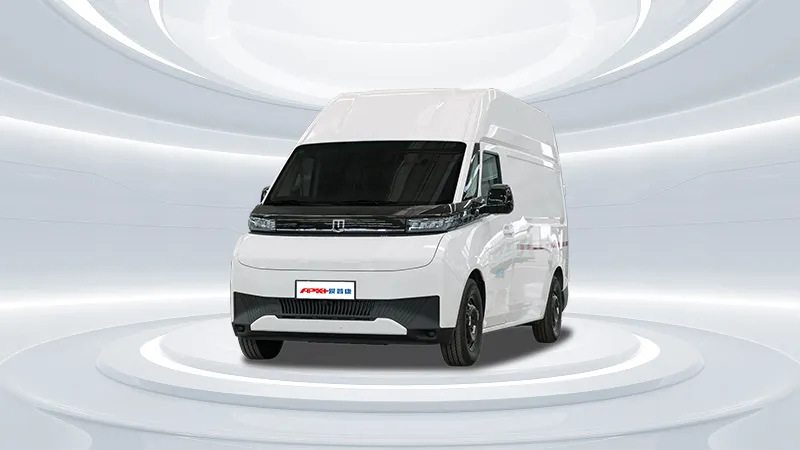
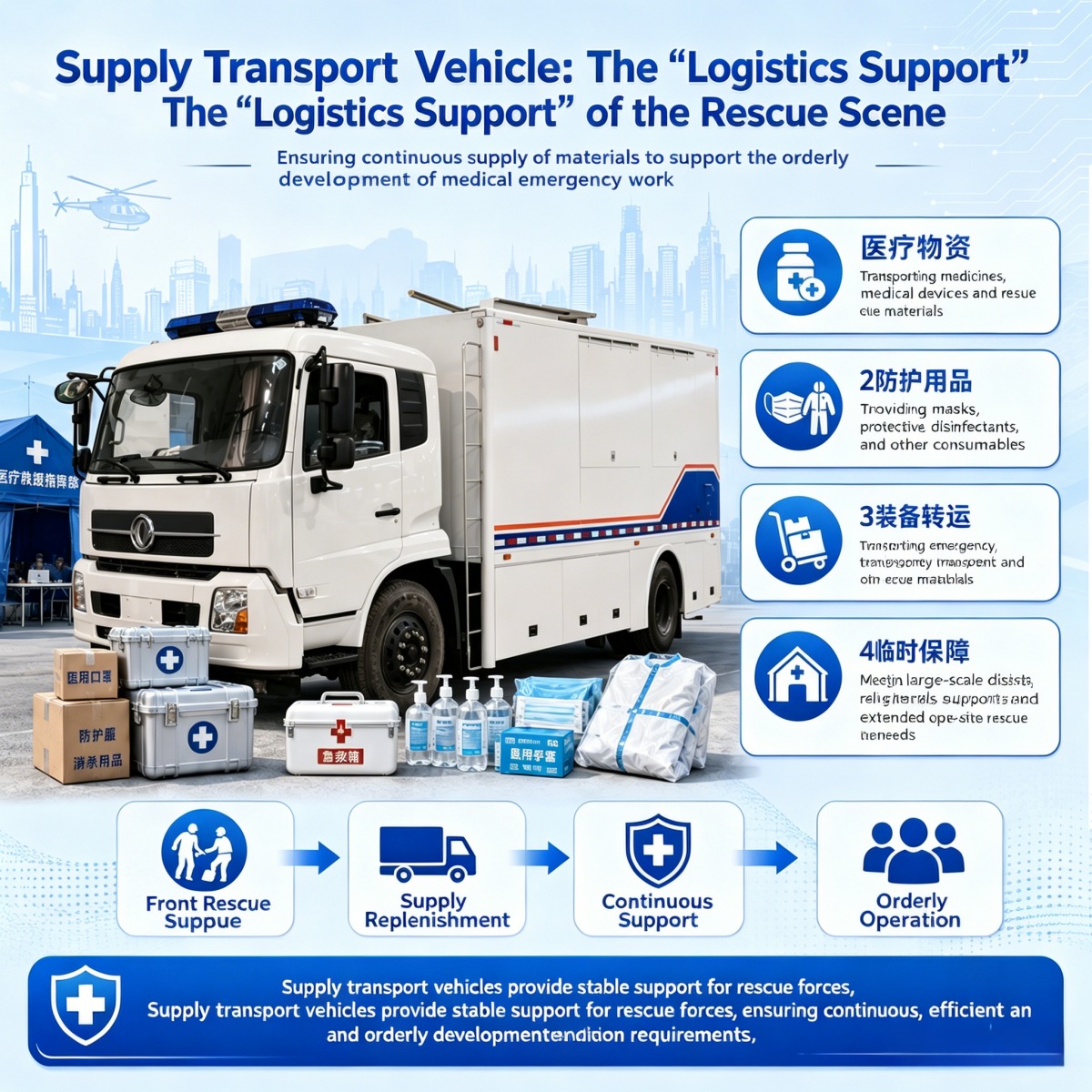
Emergencies entail high consumption of medical supplies, protective gear, first-aid consumables, and daily necessities; the ability to maintain a steady supply directly impacts rescue efficiency. Logistics transport vehicles are used to deliver medicines, medical devices, protective equipment, and emergency gear. They can also handle on-site resupply, equipment transfer, and temporary support functions based on mission requirements.
In scenarios such as disaster relief, large-scale event support, and prolonged medical standby duties, these vehicles provide stable support to frontline rescue teams, ensuring that medical emergency operations proceed continuously and in an orderly manner.
Medical emergency response is a systematic undertaking and a collaborative operation that races against time. From the monitored transport of critically injured patients to unified on-site command and logistics support, every link relies on comprehensive, specialized, and systematic capabilities.
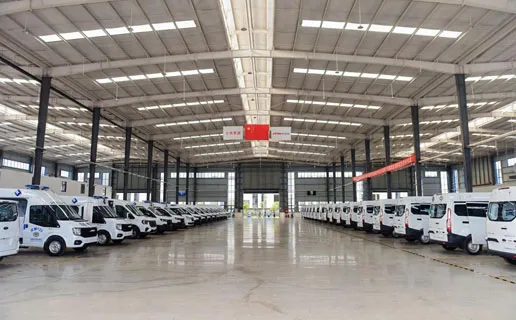
Aligned with the national emergency management system and the development of medical emergency capabilities, Sanling Group continues to drive the integrated development of emergency medical equipment and information technology. Leveraging comprehensive capabilities—including specialized vehicles, 5G communication equipment, medical hardware, and platform systems—the Group builds multi-scenario collaborative emergency support solutions, helping to enhance response efficiency and the overall standard of medical emergency support.