


Tel:
+86 15680081222
The 79th World Health Assembly was recently held in Geneva, Switzerland. During the event, China—alongside Brazil, South Africa, Thailand, and other nations—co-hosted a side event titled "Building a More Equitable and Accessible Healthcare System in the Digital-Intelligent Era: From Vision to Practice" and jointly launched the "Initiative on Co-creating the Future of Health Systems in the Digital-Intelligent Era."
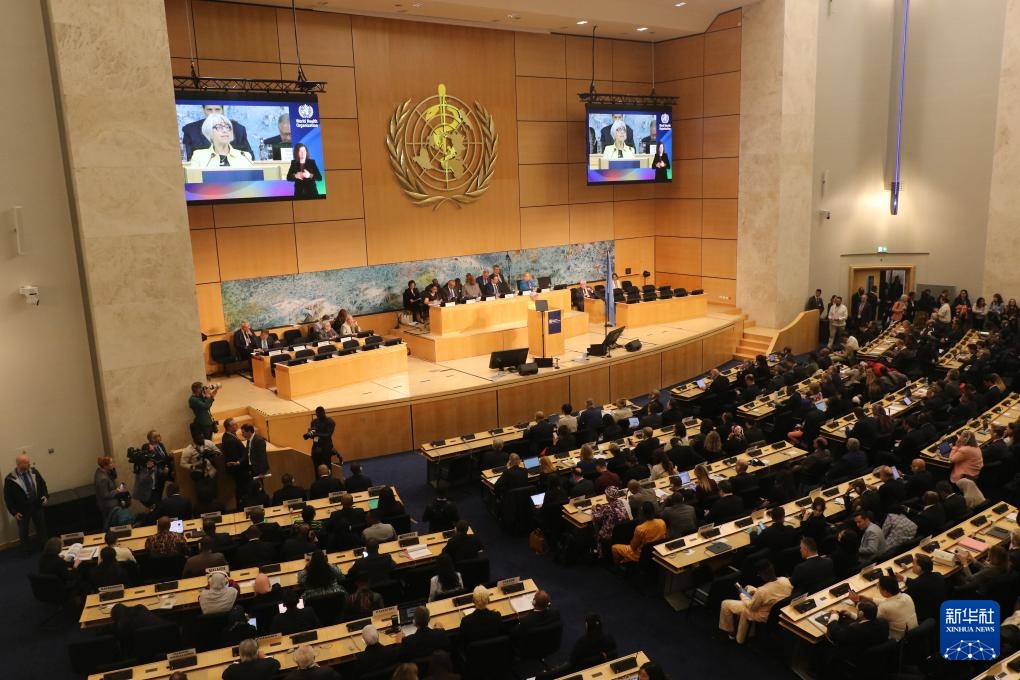
Image source: Xinhuanet
This meeting sent a clear signal: digitalization and intelligent technologies are becoming key drivers in the future upgrading of healthcare systems.
At the meeting, World Health Organization officials noted that in the past, remote areas often had to airlift medical imaging data and wait days for reports. However, the development of telemedicine has accelerated image sharing and clinical decision-making, allowing medical resources to transcend geographical barriers and benefit a wider population.
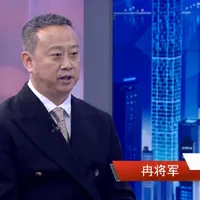
Lei Haichao, Director of China’s National Health Commission, also pointed out that China is continuously advancing the digital and intelligent transformation of universal health services, accelerating the construction of a health service system that is equitable, accessible, systematic, continuous, high-quality, and efficient.
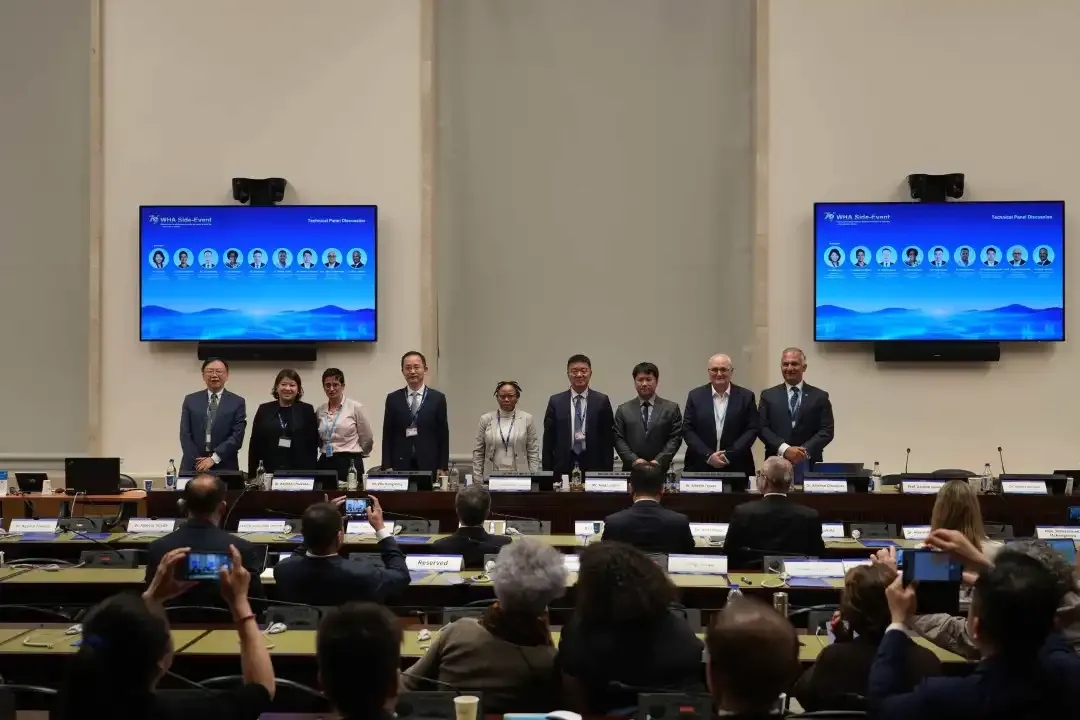
Image source: World Health Organization
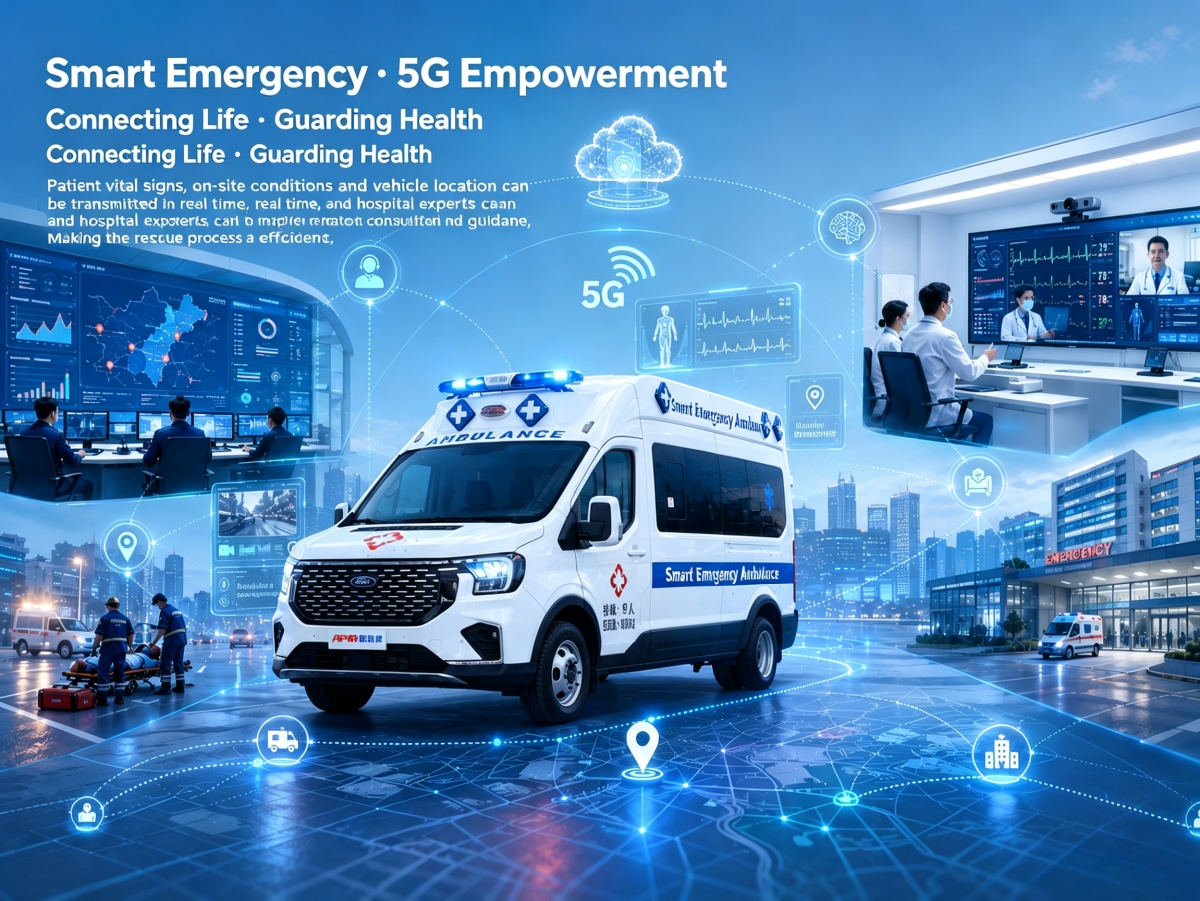
The core of this digital and intelligent transformation lies in breaking down information silos and achieving resource synergy—precisely the challenges that emergency medical systems have long needed to overcome. Traditional emergency models often suffered from information gaps between pre-hospital and in-hospital care. Yet, with the advancement of technologies such as 5G, remote consultation, and AI-assisted analysis, emergency systems are evolving from isolated "point-based rescue" operations to integrated models characterized by "information synergy."
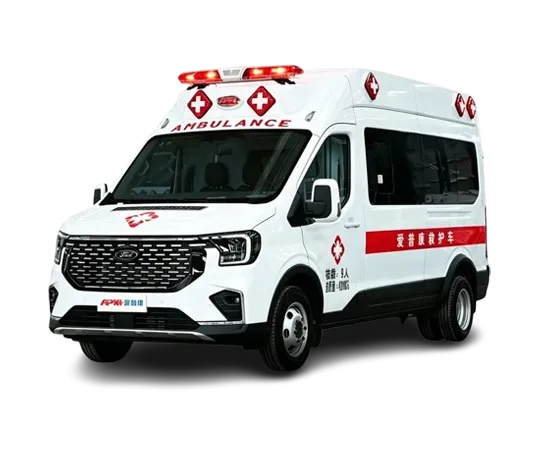
Currently, the deployment of 5G-enabled smart ambulances has transformed these vehicles from simple transport tools into vital nodes connecting the emergency scene, the hospital, and the command center. Real-time transmission of patient vital signs, on-site audio and video, and vehicle location data allows hospital experts to participate in remote consultations and provide guidance in advance, thereby driving more efficient allocation of emergency resources.
The trends emerging from the World Health Assembly indicate that the future development of healthcare systems involves more than just equipment upgrades; it entails a comprehensive enhancement of information connectivity, resource synergy, and service capabilities. Digital and intelligent technologies are making healthcare services more accessible and emergency responses more efficient. As an enterprise deeply committed to the field of emergency medical care, Sanling Group will continue to monitor global trends in medical digitalization and integrate technological innovation into pre-hospital emergency care and mobile medical scenarios, contributing its professional expertise to the development of a more efficient and seamless emergency service system.