
Tel:
+86 15680081222
For private emergency centers, rescue stations, mobile healthcare project buyers, fleet operators, and overseas medical vehicle builders, choosing a mobile medical vehicle is not just about buying a van with medical equipment inside. The real decision is whether the vehicle can support the right medical function, interior workflow, equipment layout, power supply, safety design, and long-term project use.
A multifunctional medical vehicle for sale should be evaluated according to its application scenario. Some projects need mobile examination capability. Some require blood transport. Others may focus on disabled transport, mobile clinic service, emergency support, or special medical outreach. The vehicle layout, equipment, storage, air conditioning, power system, and exterior design should all be planned around the final mission.
As one of the experienced mobile medical vehicle manufacturers, APK provides special-purpose vehicle manufacturing and modification services. APK can customize internal layouts, functional configurations, and exterior designs to meet the complex demands of private rescue operators, emergency support teams, mobile clinic builders, and overseas vehicle manufacturers.
A multifunctional medical vehicle is a special-purpose vehicle designed to deliver medical service, patient support, examination, transport, or emergency assistance outside a fixed healthcare facility.
Unlike a standard ambulance, a mobile medical vehicle does not always focus only on emergency patient transfer. Depending on project needs, it may be configured as a mobile clinic, health check-up vehicle, blood transport vehicle, disabled transport vehicle, operating support unit, or medical supplies support vehicle. Buyers who need a clearer mobile clinic definition should first distinguish between vehicles used for consultation and screening and ambulances designed primarily for emergency patient transport. This makes it suitable for buyers who need flexible healthcare delivery in different locations. This makes it suitable for buyers who need flexible healthcare delivery in different locations.
For private emergency centers and rescue stations, this type of vehicle can help extend service coverage beyond a fixed base. For overseas vehicle builders, it can serve as a configurable platform for local medical vehicle projects. For mobile healthcare contractors or aid project buyers, it can provide a practical way to deliver screening, consultation, basic treatment, or medical support in remote or temporary service areas.
The key is to define the medical task first. A vehicle used for blood delivery requires different temperature control and storage planning from a vehicle used for health check-ups. A disabled transport vehicle requires different access design from a mobile clinic. A strong project starts with clear functional positioning.
Buyers search for a multifunctional medical vehicle for sale because they need a vehicle that can be adapted to specific medical tasks instead of a fixed standard configuration.
In many projects, the buyer does not only need transportation. They need a working medical space on wheels. This space may need examination areas, patient seating, wheelchair access, medical storage cabinets, power sockets, lighting, air conditioning, refrigeration equipment, or reserved interfaces for diagnostic devices.
A practical buyer should not evaluate only the vehicle model or price. The more important questions include:
· What medical function must the vehicle support?
· How many staff members and patients will use the vehicle?
· What equipment must be installed?
· Does the vehicle need wheelchair access or stretcher access?
· What power supply and battery support are required?
· Does the project need temperature control or special storage?
· Will the vehicle be used on city roads, rural roads, or remote sites?
· Does the buyer need a finished vehicle or a configurable platform for local modification?
These questions help avoid mismatched purchases. A low-cost vehicle may become expensive later if the layout cannot support the required function, or if local equipment installation becomes difficult after delivery.
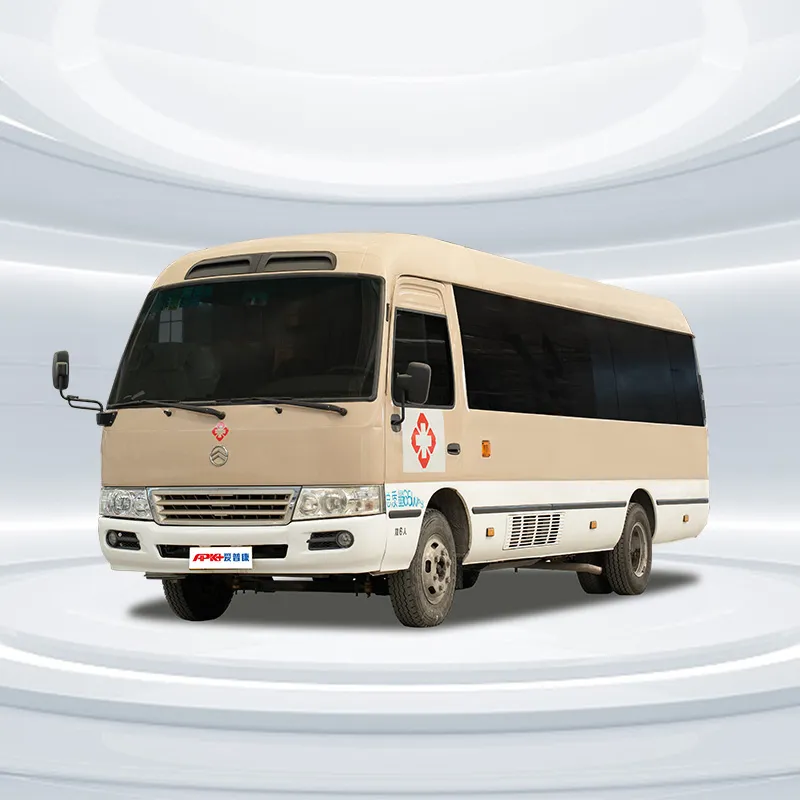
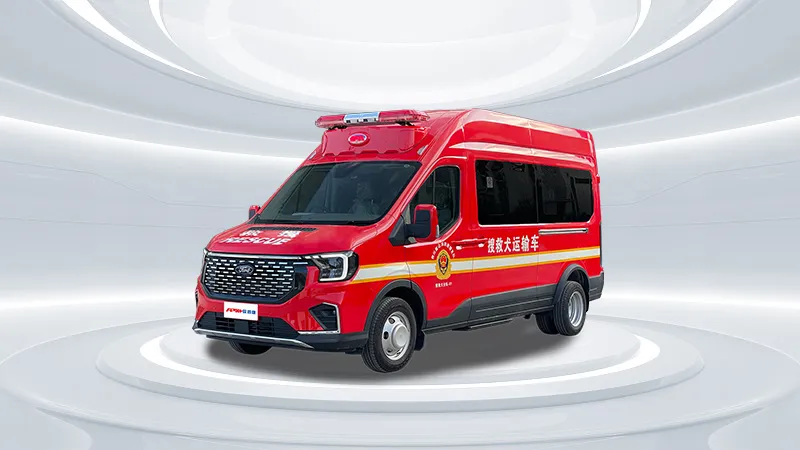
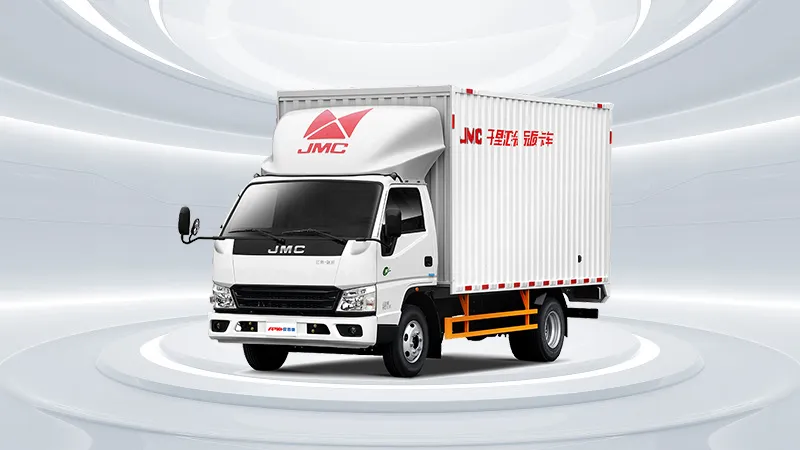
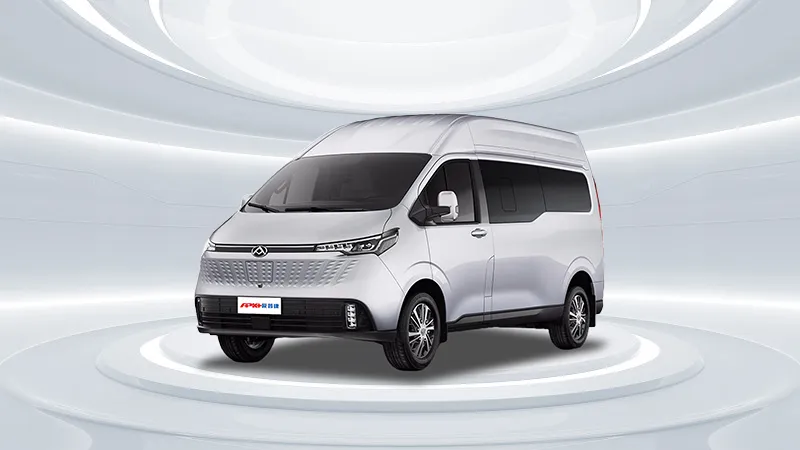
Different mobile medical vehicles should be selected according to medical function, user workflow, service environment, and equipment requirements.
APK’s medical vehicle category includes several practical directions. A disabled transport vehicle is designed to support mobility-impaired passengers and may require access ramps, safety restraints, comfortable seating, and interior space for assisted movement. A blood transport vehicle needs storage planning, temperature control, and stable transport conditions for blood and medical materials.
A health check-up vehicle is commonly used for mobile screening, routine examination, occupational health service, outreach projects, or community-level medical support. It may require examination tables, diagnostic equipment, storage cabinets, wash areas, lighting, privacy partitions, and a stable power supply.
A mobile clinic vehicle is more comprehensive. It may combine consultation, examination, medicine storage, basic treatment, and patient support functions in one vehicle. This type of configuration is useful for mobile health service providers, rescue support teams, international project buyers, and local medical vehicle builders.
For overseas manufacturers, these categories can also be used as modular product directions. One base platform can be developed into several localized versions, depending on customer needs, local service models, and budget levels.
A good mobile medical vehicle layout should make staff movement, patient access, equipment use, storage, cleaning, and daily operation easier.
Interior planning should start from the service process. For example, in a health check-up vehicle, the workflow may include registration, examination, basic diagnosis, sample collection, and data recording. In a blood transport vehicle, the layout should focus on storage safety, temperature control, loading convenience, and material protection. In a disabled transport vehicle, the priority may be entrance access, passenger safety, wheelchair fixing, and comfortable movement inside the cabin.
Key layout and equipment factors include:
· Entry and exit design
· Staff working position
· Patient or passenger movement route
· Medical equipment installation points
· Storage cabinet structure
· AC/DC power sockets
· Auxiliary battery and inverter requirements
· Lighting and ventilation
· Air conditioning and temperature control
· Interior materials that are easy to clean
Power system planning is especially important. Mobile medical vehicles may need to support diagnostic equipment, refrigeration units, lighting, communication devices, air conditioning, and other auxiliary systems. For this reason, buyers should confirm the expected device list before finalizing the vehicle configuration.
A well-designed layout not only makes the vehicle look professional. It reduces wasted movement, improves operating efficiency, and helps the medical team work more safely in a limited cabin space.
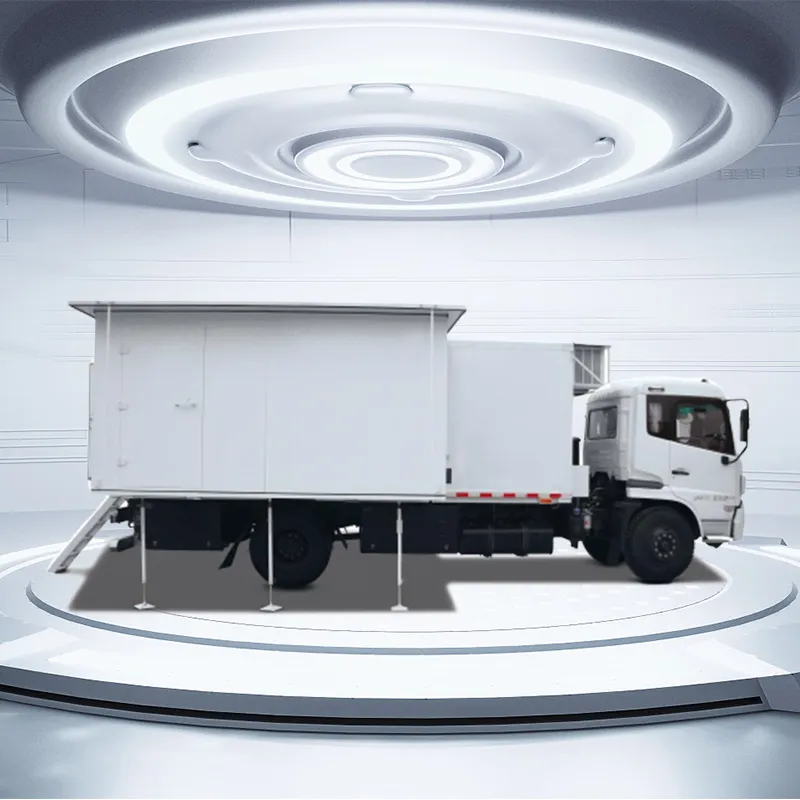
Experienced mobile medical vehicle manufacturers can help buyers turn a medical service idea into a practical vehicle configuration.
A general vehicle supplier may only provide a base van or a simple modified vehicle. However, a professional medical vehicle manufacturer needs to understand how vehicle structure, medical equipment, cabin workflow, power supply, safety design, and exterior identity work together.
APK supports special-purpose vehicle manufacturing and modification. The company can tailor vehicles based on different application scenarios by customizing the internal layout, functional configuration, and exterior design. This is important for buyers who need project-based solutions rather than a one-size-fits-all vehicle.
For private emergency centers and rescue stations, APK can help create vehicles that support real operating needs. For overseas medical vehicle builders, APK can provide a configurable foundation for local market development. For fleet buyers, APK can support more standardized layouts across multiple vehicles while still allowing different configuration levels.
Customization may include:
· Medical cabin layout planning
· Diagnostic or treatment area design
· Storage and cabinet structure
· Wheelchair or stretcher access planning
· Power and lighting systems
· Temperature control and ventilation
· Exterior graphics and fleet branding
· Reserved interfaces for local equipment installation
· Different configurations for different budgets
This type of customization helps buyers reduce project risk and improve long-term vehicle usability.
Choosing the right mobile medical vehicle starts with defining the medical mission, not simply selecting a vehicle model.
For buyers evaluating a multifunctional medical vehicle for sale, the most important factors are function, layout, equipment, power system, safety design, customization flexibility, and local project requirements. A disabled transport vehicle, blood transport vehicle, health check-up vehicle, and mobile clinic vehicle may all belong to the same medical vehicle category, but their internal design priorities can be very different.
With experience in special-purpose vehicle manufacturing and modification, APK can help private emergency centers, rescue stations, overseas vehicle builders, and mobile healthcare project buyers develop practical medical vehicle configurations. If you are planning a customized medical vehicle project, contact APK to discuss your target application, layout, equipment list, exterior design, and quotation requirements.
Yes. APK can customize the internal layout, functional configuration, medical equipment arrangement, and exterior design according to different application scenarios.
Private emergency centers, rescue stations, mobile healthcare service providers, NGO or aid project buyers, fleet operators, and overseas medical vehicle manufacturers can consider this type of vehicle.
The configuration depends on the target function, vehicle platform, medical equipment list, cabin layout, power system, storage needs, temperature control requirements, exterior design, and local operating conditions.
Yes, but the functions must be planned carefully. For example, a vehicle may combine consultation, examination, storage, and basic treatment, but the cabin layout and equipment should be designed around the main use case first.
APK has experience in special-purpose vehicle manufacturing and modification, allowing buyers to customize medical vehicles according to real service scenarios, equipment needs, and project requirements.