


Tel:
+86 15680081222
Primary-level facilities represent the link in medical emergency services closest to the public. Whether dealing with the initial management of sudden illnesses, the transfer of critically ill patients, or public health emergency support, primary-level emergency capabilities directly impact the safety of lives and the efficiency of treatment.
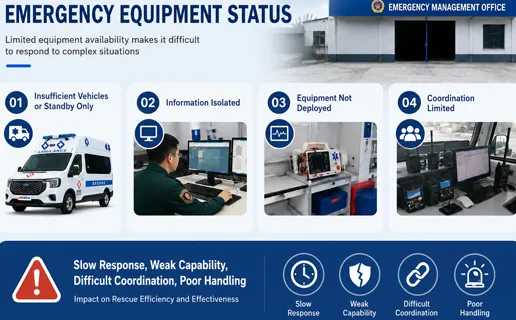
However, in actual practice, the development of these capabilities still faces certain deficiencies. Improving primary-level emergency care is not merely a matter of adding a few vehicles or pieces of equipment; it requires the genuine integration of vehicles, gear, and information systems to create a highly efficient, seamless, and reliable support system.
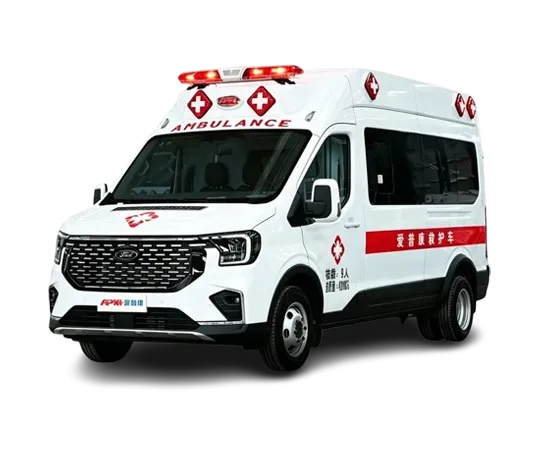
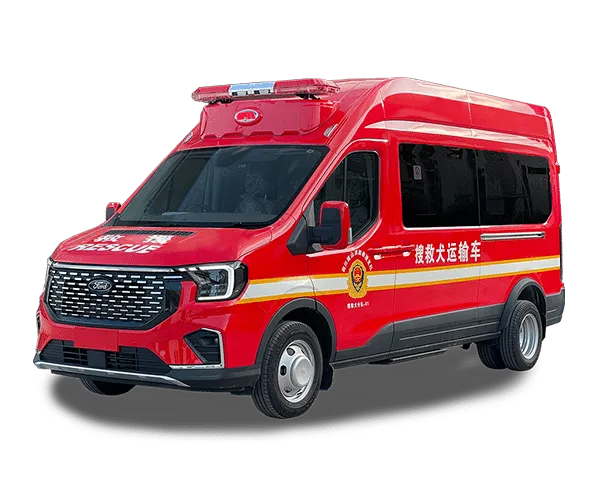
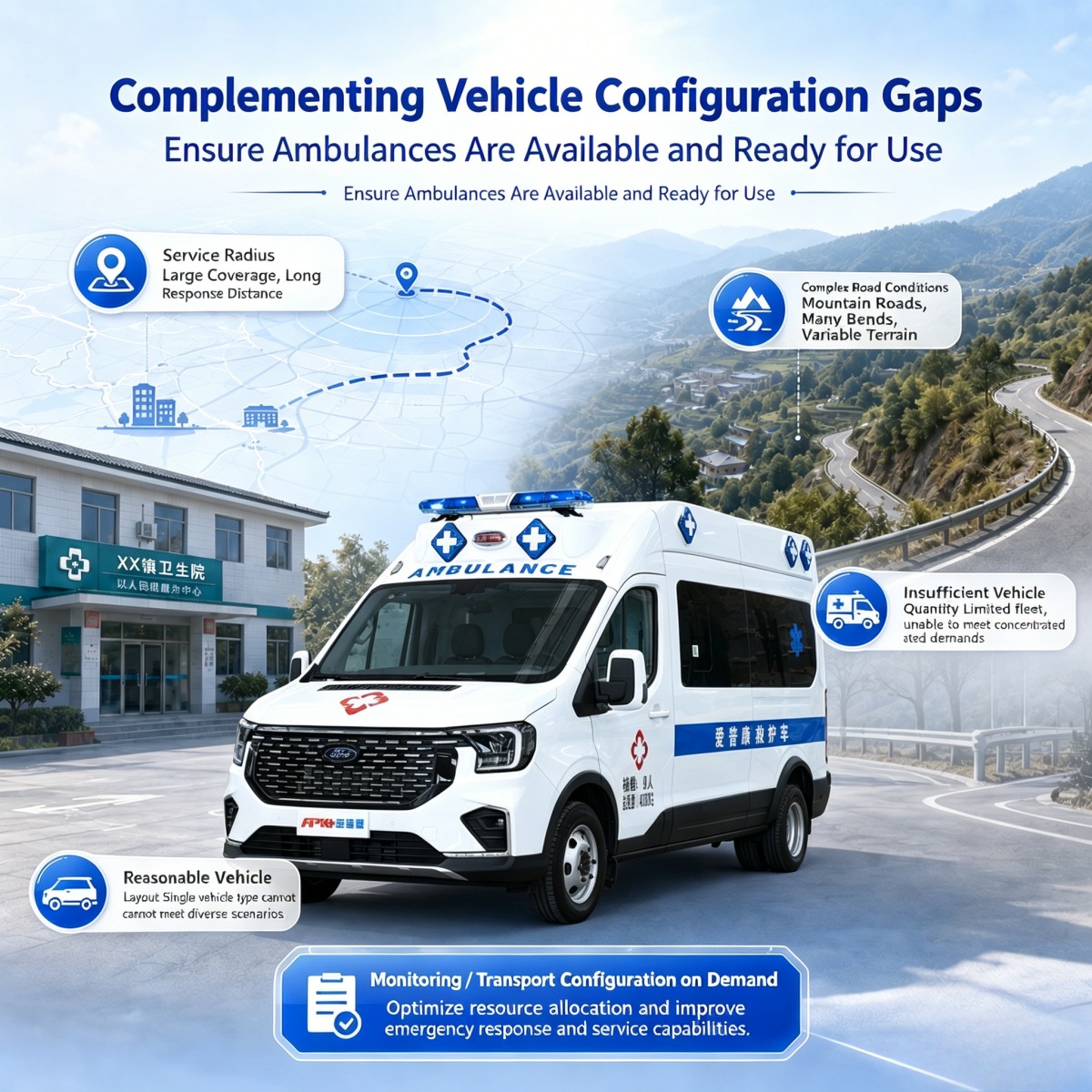
Some townships and communities cover vast service areas with complex road conditions. Existing ambulance fleets often suffer from insufficient numbers and aging vehicles, leading to situations where no vehicle is available for urgent transfers or diverse emergency scenarios, thereby delaying the critical "golden window" for treatment.
Strategy for improvement: Ambulance allocation should be rationally determined based on the local population size, geographical environment, and emergency care needs. Aging vehicles should be gradually replaced, and a mix of vehicle types—such as advanced life support (monitoring-equipped) and basic transport units—should be deployed to suit different scenarios, ensuring that vehicles are both available and fit for purpose.
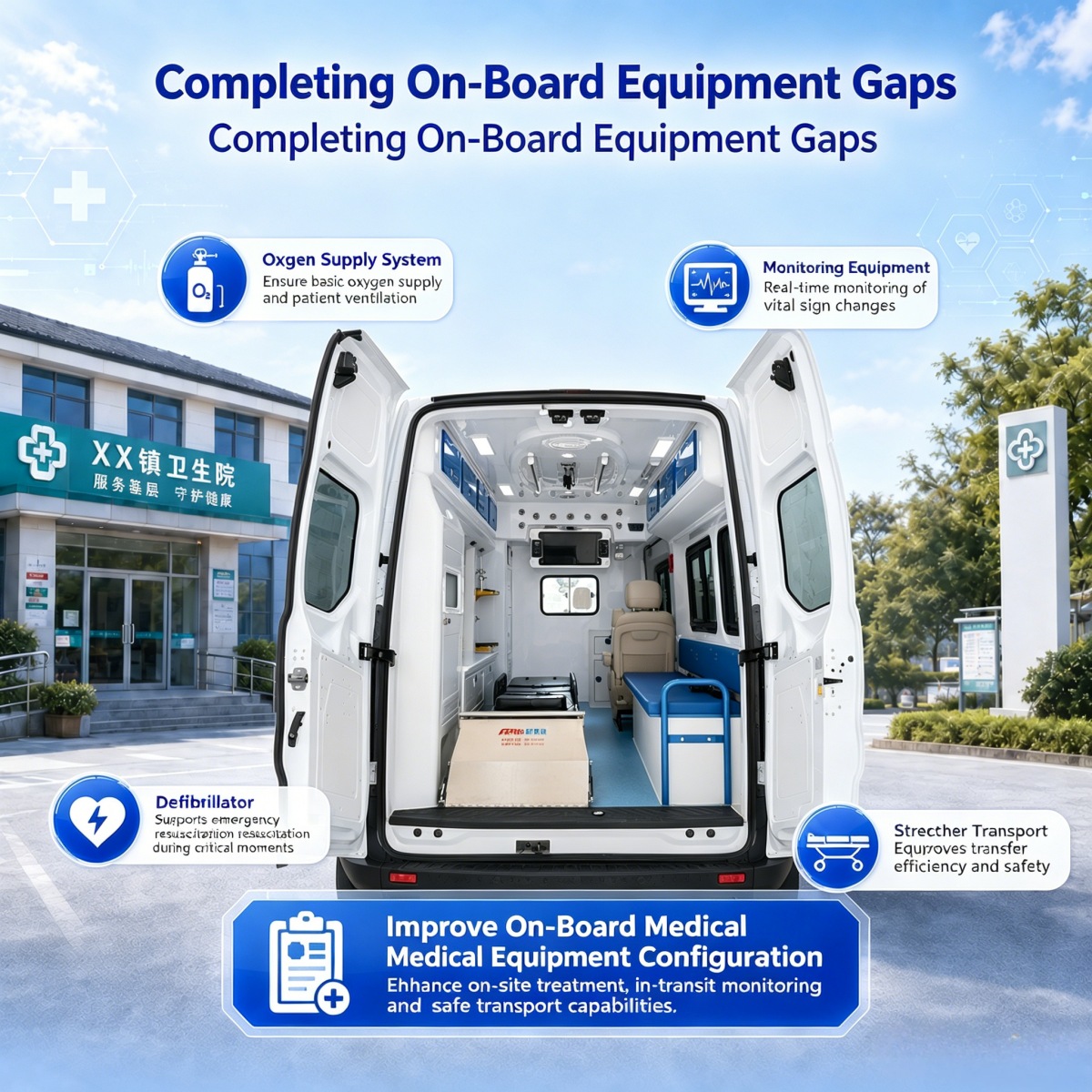
Primary-level emergency services must go beyond mere patient transport; they require capabilities for basic treatment and en-route monitoring. The adequacy of equipment—such as oxygen supply systems, patient monitors, defibrillators, and stretchers—directly affects on-site management efficiency and transport safety.
Strategy for improvement: On-board medical equipment configurations should be optimized to meet emergency transport requirements. Enhancing capabilities for on-site treatment, en-route monitoring, and safe transport will transform ambulances into true mobile emergency care units.
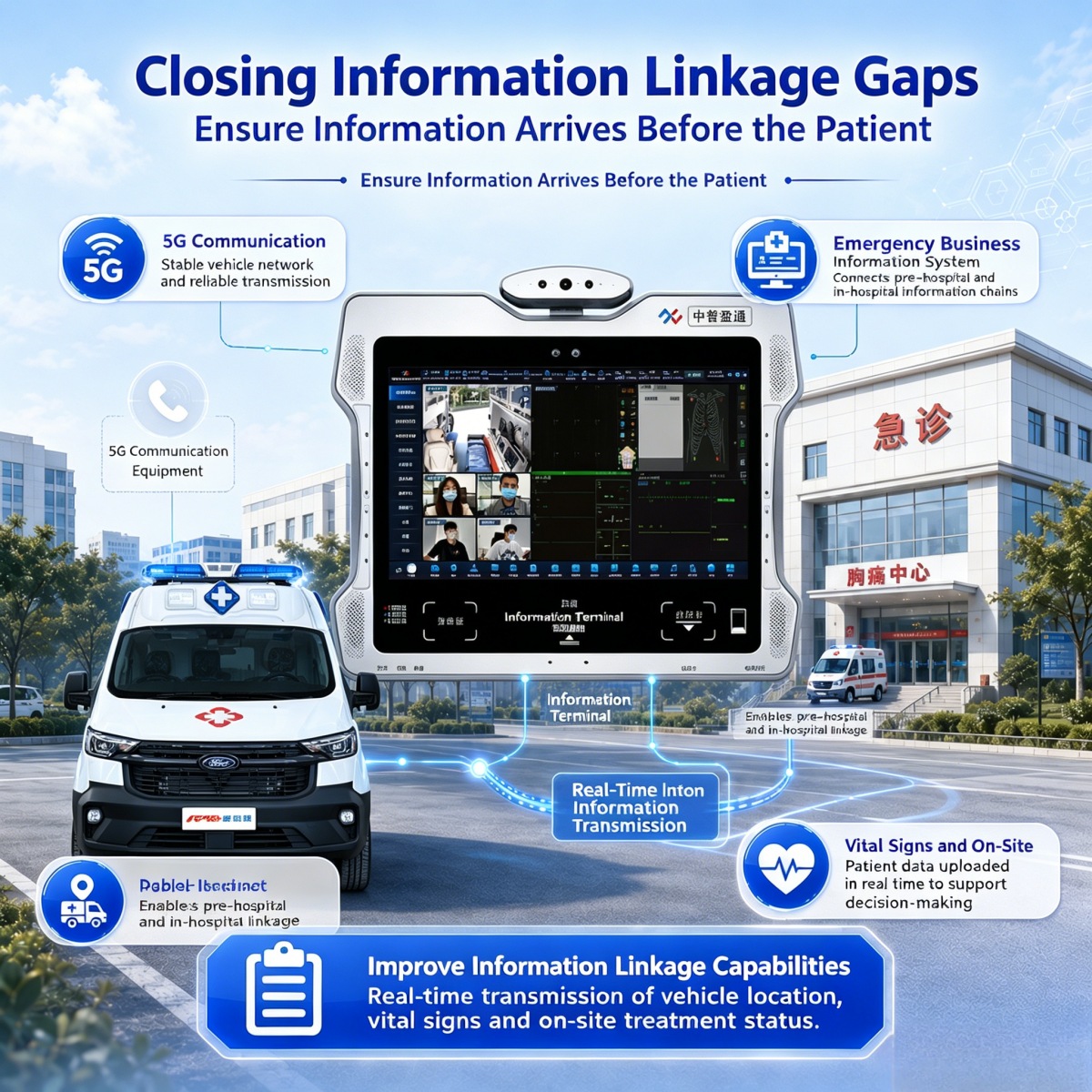
Under traditional emergency models, patient information is often conveyed verbally via telephone. Hospitals struggle to obtain timely on-site data or make advance preparations, meaning assessments and examinations only begin after the patient arrives—wasting precious time for life-saving intervention. Addressing Gaps: By equipping vehicles with 5G communication technology and emergency service information systems, real-time data—such as vehicle location, patient vital signs, and on-site treatment details—can be transmitted back to the hospital. This enables hospitals to assess situations and prepare in advance, ensuring that "information arrives before the patient."
Enhancing primary-level emergency medical capabilities requires shifting from "isolated equipment deployment" to "systemic development." Only through the coordinated integration of vehicles, equipment, communication tools, and information systems can primary-level emergency response and patient transport capabilities be truly strengthened.
Sanling Group specializes in the emergency medical sector, focusing on applications such as primary-level emergency care and medical transport. The company provides specialized vehicles—including ambulances, patient transport vehicles, and mobile medical units—integrated with 5G communication technology and emergency service information systems. By delivering an all-in-one "vehicle-equipment-system" solution, Sanling Group helps bridge gaps in primary-level emergency care and supports the upgrade of primary medical emergency support systems toward standardization, intelligence, and high efficiency.