Tel:
+86 15680081222
For private EMS centers, rescue stations, patient transport fleets, and overseas ambulance builders, choosing the right ambulance platform requires more than checking vehicle size or basic equipment. Buyers need to consider medical cabin workflow, stretcher access, oxygen supply, power systems, storage design, road adaptability, and long-term customization flexibility.
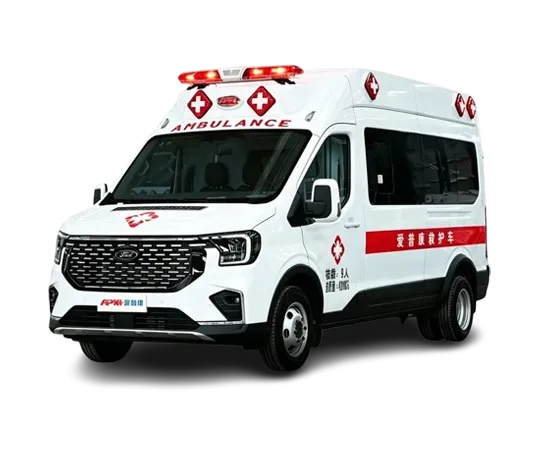
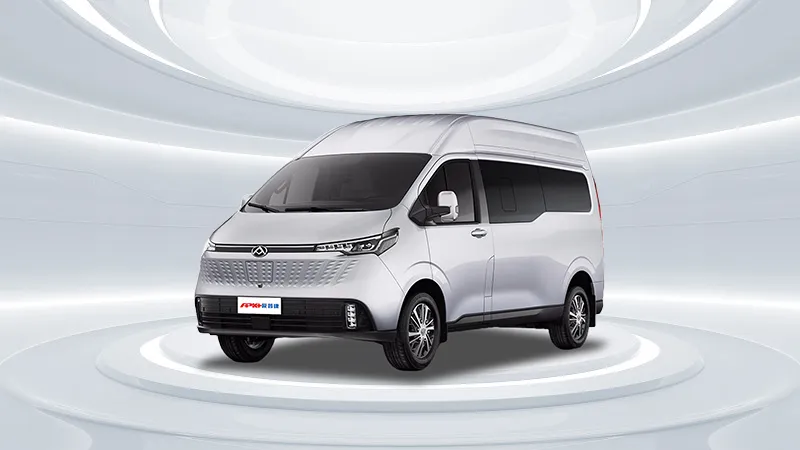
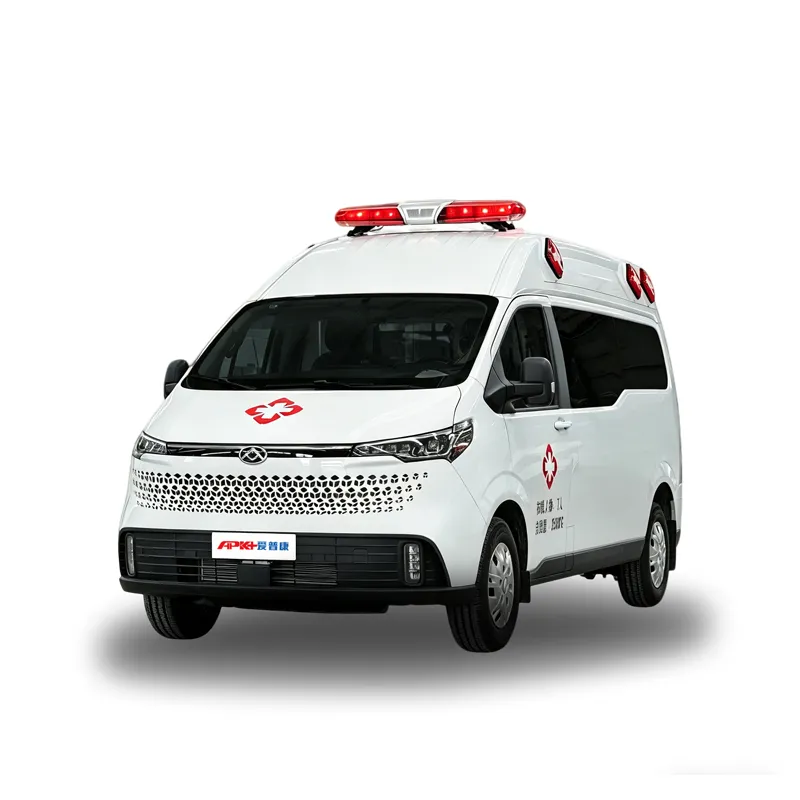
A maxus ambulance can be a practical choice for basic life support transport because the SAIC Maxus platform offers flexible space, a practical vehicle structure, and room for medical equipment integration. For buyers searching for SAIC Maxus for sale, the key question is not only whether the vehicle is available, but whether it can be configured for the real operating needs of local emergency transport, rescue service, or ambulance production.
For overseas buyers comparing China ambulance suppliers, APK supports customized internal layouts, functional configurations, and exterior designs for Maxus-based emergency vehicle projects. This allows buyers to develop an ambulance solution for private emergency response, rescue stations, commercial patient transport, or downstream ambulance manufacturing projects.
A Maxus ambulance is suitable for BLS transport when it provides enough cabin space, essential emergency equipment, safe patient loading, and a practical layout for basic medical support during transportation.
BLS ambulance projects usually focus on patient transfer, basic first aid, oxygen delivery, stretcher loading, emergency lighting, and organized medical storage. Compared with more complex ICU or ALS ambulance configurations, BLS vehicles are often selected by private EMS operators, rescue centers, industrial emergency teams, event medical service providers, and ambulance fleet operators that need practical and repeatable emergency transport capability. Buyers comparing van-based ambulance configurations can also review how a type 2 ambulance differs from Type 1 and Type 3 designs before confirming cabin space, payload, stretcher access, and equipment requirements.
The SAIC Maxus platform is useful in this context because it offers a balance between space and maneuverability. A well-designed cabin can support stretcher placement, medical staff seating, oxygen system installation, medicine storage, electrical interfaces, and lighting. For buyers evaluating SAIC Maxus for sale, these practical details are often more important than only comparing the base vehicle.
For overseas ambulance manufacturers, a Maxus platform can also serve as a flexible base for localized conversion. The vehicle can be configured according to local market requirements, emergency service habits, and customer preferences.
A good medical cabin layout should make patient loading, equipment access, staff movement, and daily cleaning easier for emergency transport teams.
When planning a Maxus ambulance, buyers should first define the main application scenario. A private EMS center may need a balanced layout for frequent patient transfer. A rescue station may require stronger visibility, more durable storage, and fast access to basic rescue tools. An overseas ambulance builder may need a repeatable configuration that can be adapted for different local clients.
Key cabin layout factors include:
· Stretcher position and loading route
· Medical staff seating and movement space
· Oxygen cylinder cabinet and pipeline arrangement
· Medicine cabinet, equipment cabinet, and storage partition
· Interior lighting and roof handrails
· Power socket placement for medical and auxiliary devices
· Air conditioning and ventilation design
· Floor and wall materials that are easy to clean
The goal is to avoid a common problem in ambulance purchasing: a vehicle that looks professional from the outside but does not support efficient work inside the cabin. A practical layout should reduce unnecessary movement, make equipment easy to reach, and help staff manage patient transport safely.
A SAIC Maxus ambulance can be configured with basic life support equipment, oxygen supply systems, stretcher systems, medical storage, electrical systems, emergency lights, and optional medical device interfaces.
For a BLS project, common equipment may include an automatic boarding stretcher, oxygen cylinders, oxygen pressure regulator, oxygen pipeline, medical cabinets, IV hook, medical cabin lighting, warning lights, siren, auxiliary battery, inverter, AC/DC sockets, air conditioning, and partition wall.
Different buyers can adjust the configuration according to their service model. For example, a rescue station may need additional storage for emergency tools. A patient transport fleet may prioritize comfort, cabin cleanliness, and stretcher loading efficiency. An ambulance manufacturer may request reserved interfaces for local medical devices, communication systems, or market-specific equipment.
This is where the value of APK’s customization capability becomes clear. Instead of treating the vehicle as a fixed product, APK can help buyers plan different configuration levels based on operating requirements, budget, and downstream use.
Customization matters because private EMS providers and rescue stations often operate in different environments, with different emergency response tasks, road conditions, and equipment priorities.
A standard vehicle layout may not match every buyer’s needs. Some operators may focus on city patient transfer. Others may work in industrial parks, remote communities, tourist areas, event venues, construction zones, or private rescue service networks. These scenarios require different cabin storage, lighting, seating, oxygen supply, and exterior visibility designs.
APK can customize the internal layout, functional configuration, and exterior design of the ambulance. For buyers, this means the vehicle can be adjusted around real working conditions instead of forcing the operator to adapt to a fixed cabin plan.
Customization can include:
· Different seating arrangements
· Different medical cabinet structures
· Exterior emergency markings and fleet branding
· Warning light and siren configuration
· Medical oxygen system layout
· Reserved space for local medical equipment
· LHD or RHD configuration, depending on market needs
For overseas ambulance builders, customization also supports localization. A buyer may use APK as a manufacturing and modification partner, then adapt the final vehicle to local regulations, branding, or end-user requirements.
The SAIC Motor Maxus price for an ambulance project depends on the base vehicle, steering configuration, interior layout, medical equipment, exterior design, order quantity, and customization complexity.
Buyers should avoid judging the project only by the lowest quoted price. In ambulance conversion, a low initial price may not include the required medical equipment, cabin materials, warning systems, power supply, oxygen system, or exterior design. A more accurate comparison should review what is included in the configuration.
Before requesting a quote, buyers should prepare:
· Target application, such as private EMS, rescue station, patient transport, or ambulance manufacturing
· Required steering type, such as LHD or RHD
· Expected seating and stretcher layout
· Medical equipment list
· Oxygen system requirements
· Exterior design and emergency marking requirements
· Local compliance or registration considerations
· Estimated order quantity
For buyers searching for saic maxus for sale, this preparation helps APK provide a more accurate quotation and configuration proposal. It also reduces communication time and avoids missing key items during production planning.
A practical SAIC Maxus automotive ambulance solution should combine a suitable vehicle platform, efficient medical cabin layout, reliable BLS equipment, and customization support for real emergency transport scenarios.
For private EMS centers, rescue stations, commercial patient transport operators, and overseas ambulance builders, the value of a Maxus ambulance is not only in the base vehicle. Its real value comes from how well the vehicle can be adapted to patient loading, staff workflow, oxygen supply, equipment storage, emergency visibility, and local operating requirements.
With strong special-purpose vehicle manufacturing and modification capabilities, APK can help buyers configure a SAIC Maxus ambulance according to different service scenarios. If you are evaluating a Maxus-based ambulance project for private EMS, rescue operations, or local ambulance manufacturing, contact APK to discuss layout, equipment, exterior design, and quotation details.
Yes. APK can customize the internal layout, functional configuration, medical equipment, and exterior design according to the needs of private EMS centers, rescue stations, fleet operators, and overseas ambulance builders.
It is suitable for private emergency service providers, rescue stations, patient transport fleets, industrial emergency teams, event medical service providers, and ambulance manufacturers that need a practical BLS ambulance platform.
The price is affected by the base vehicle, steering type, medical cabin layout, equipment configuration, oxygen system, power system, exterior design, order quantity, and customization complexity.
Yes. Overseas ambulance manufacturers can use the SAIC Maxus platform for localized ambulance conversion, fleet supply, or downstream configuration adjustment based on local market and regulatory requirements.
Buyers should prepare the target application, required steering type, seating layout, stretcher arrangement, medical equipment list, exterior design requirements, and any local compliance references before contacting APK.