

Tel:
+86 15680081222
When a sudden illness or accident strikes, calling 120 is often the critical first step in securing that precious "golden hour" for medical intervention. Many people, overwhelmed by anxiety, struggle to articulate themselves clearly, inadvertently delaying the rescue effort. Mastering the correct way to make this call can truly mean—at a pivotal moment—being "one second faster, saving one life."
Call the 120 emergency hotline immediately if you encounter life-threatening conditions, sudden acute illnesses, severe trauma, or situations that cannot be resolved on their own. Common scenarios include:
Sudden chest pain, difficulty breathing, or loss of consciousness.
Severe trauma or heavy bleeding.
Symptoms of a stroke (e.g., facial drooping, limb weakness, slurred speech).
Accidental injuries such as traffic accidents or falls.
If you are unsure whether a situation is serious enough to warrant a call, err on the side of caution: call first and let the professionals make the assessment, rather than hesitating or delaying.
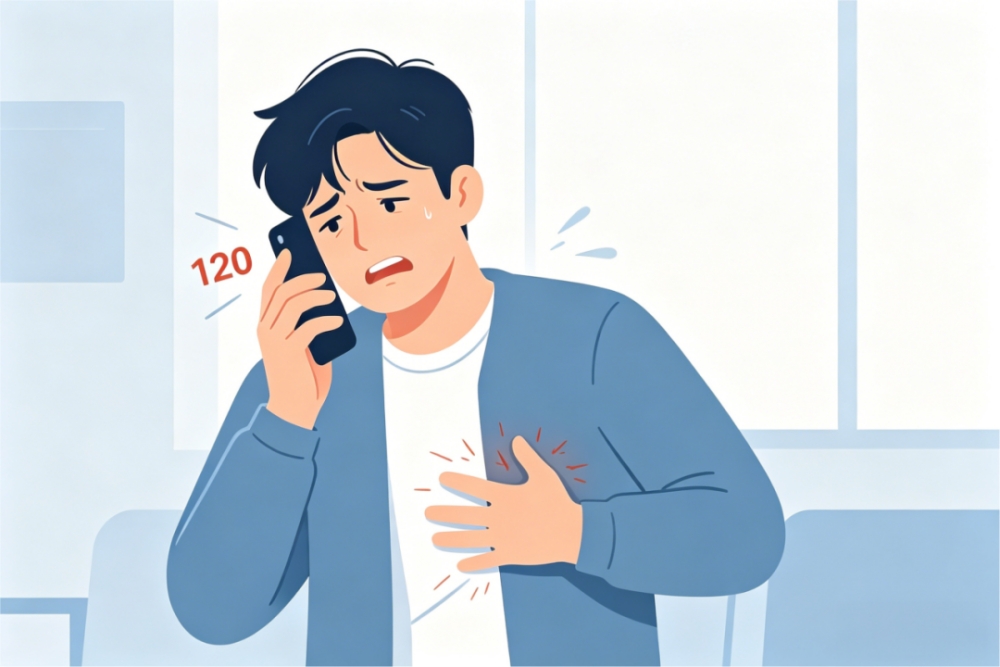
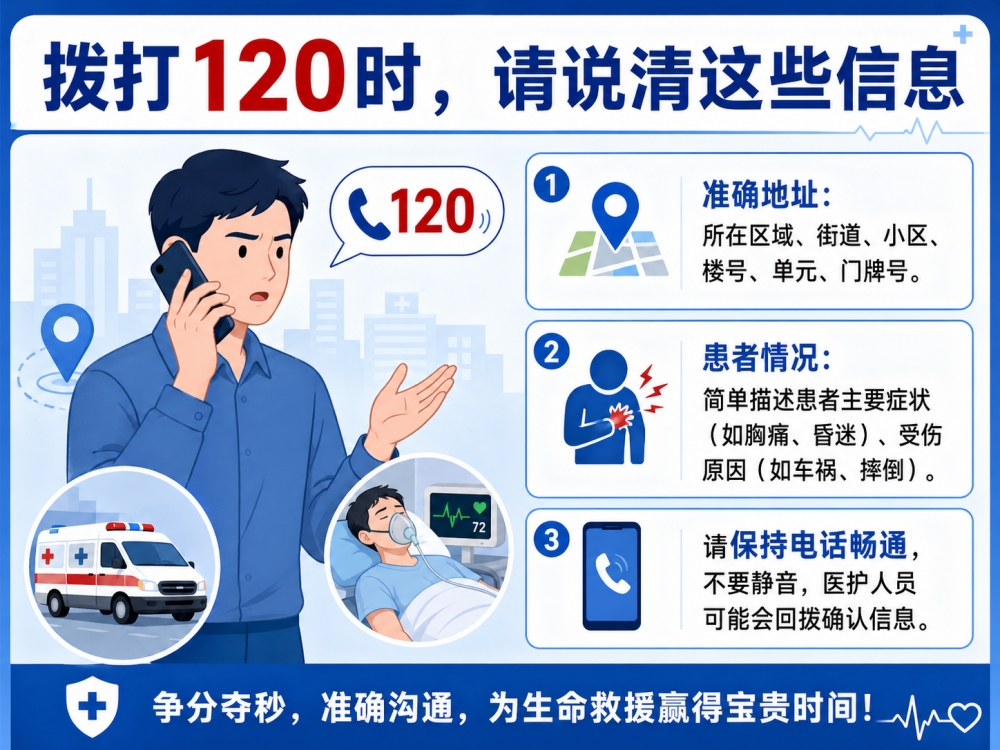
Once connected to 120, try to remain calm and clearly provide the following information:
1. **Precise Location:** State your district, street, residential complex, building number, unit number, and door number. If you cannot provide a specific address, describe a prominent nearby landmark (e.g., "across from [Name] Shopping Mall").
2. **Patient's Condition:** Briefly describe the patient's main symptoms (e.g., chest pain, unconsciousness) and the cause of the injury (e.g., car accident, fall).
Additionally, please keep your phone line open and do not silence it, as medical personnel may call you back to confirm details.
**A Quick, Simple Rhyme to Remember:** Accurate Address, State the Symptoms, Keep Phone Lines Open.
While waiting for the ambulance, you can take the following preparatory steps:
**Clear the Path:** Open doors, remove obstacles, keep the elevator available, and ensure hallways are clear.
**Guide the Way:** Send someone downstairs or to the street corner to meet and guide the ambulance crew.
**Care for the Patient:** Have the patient lie flat and rest quietly; avoid moving critically injured individuals unnecessarily.
**Gather Essentials:** Have identification documents, medical records, and the patient's regular medications ready.
**Cooperate:** Keep your phone line open and provide concise updates on the patient's condition.
If you possess relevant medical knowledge, you may perform simple first aid measures; however, avoid improper procedures that could cause secondary injuries.

The moment a 120 emergency call connects, life-saving operations are immediately set in motion. The dispatch center rapidly assesses the patient's condition and dispatches the nearest available ambulance, while medical personnel simultaneously gear up and set out.
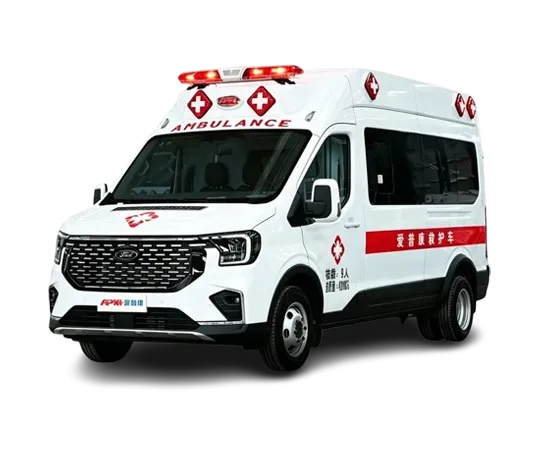
With the continuous advancement of smart emergency medical technologies, the ambulance has long since evolved beyond being merely a vehicle for patient transport. Taking the APK 5G Smart Ambulance as an example: once a patient boards, vital sign data is transmitted back to the hospital in real-time. This empowers hospital-based medical teams to gain a head start in understanding the patient's injuries, anticipating their condition, and preparing appropriate treatment protocols. By seamlessly bridging the gap between pre-hospital and in-hospital care, this system effectively ensures that "admission begins the moment the patient boards the ambulance"—thereby securing precious time for life-saving interventions.
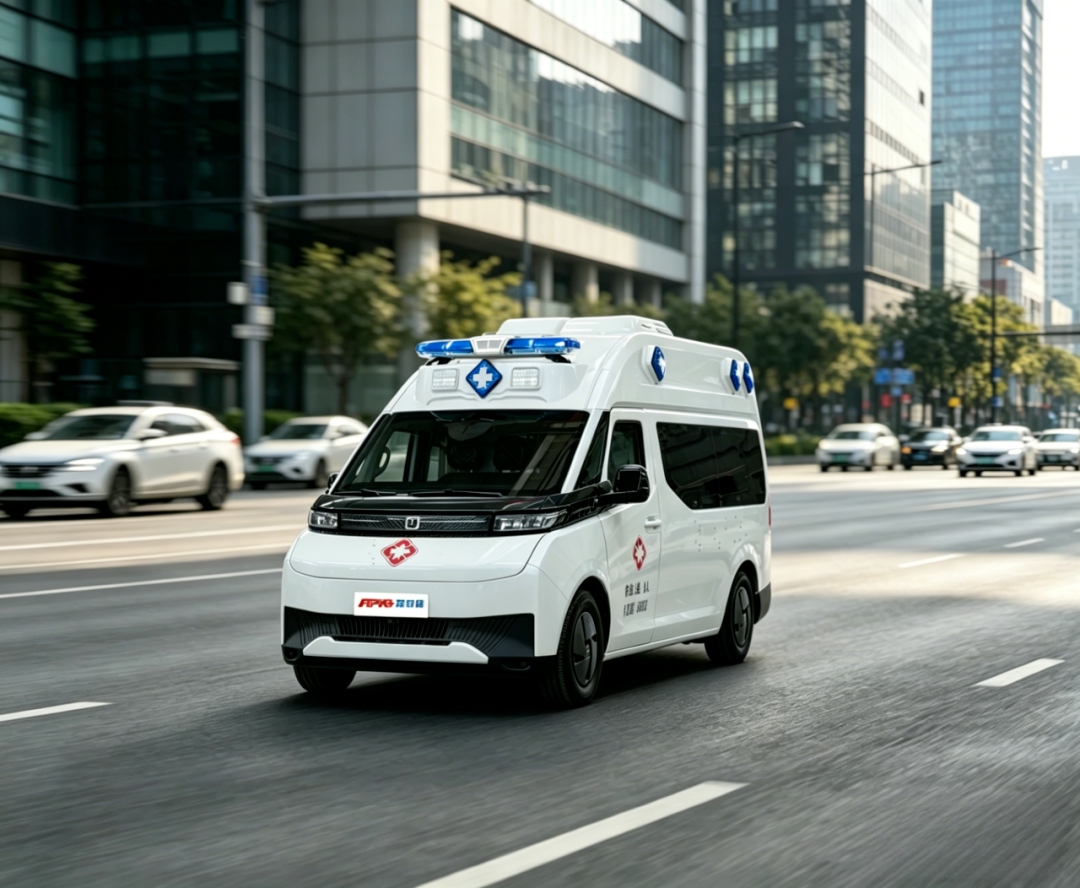
Behind every 120 emergency call lies a life in urgent need of protection. Efficient communication serves as the critical first step in securing that vital "golden hour" for emergency care. From calm, clear information reporting to the rapid dispatch of an ambulance, every link in the emergency response chain is tightly integrated—working in unison to sustain life and bolster hope.
Looking ahead, Sanling Group—APK will continue to deepen its focus within the broader emergency medical sector. Through robust, cutting-edge products and customized solutions, the company aims to empower the upgrade of pre-hospital emergency systems, foster deep collaboration between pre-hospital and in-hospital care, and help make emergency medical services more efficient, professional, and comprehensive.