
Tel:
+86 15680081222
For overseas ambulance builders, emergency vehicle modifiers, rescue vehicle distributors, and fleet project buyers, developing localized iveco ambulances is not simply about purchasing a finished vehicle. It is about choosing a platform that can support ICU-level transport, local operating habits, different road conditions, medical equipment integration, and downstream customization.
The iveco ambulance series from APK is designed for critical care transport scenarios where patients may require continuous monitoring, oxygen support, advanced life support equipment, and a stable medical cabin environment during transfer. For buyers searching for iveco ambulance for sale, the real decision should not stop at vehicle availability. The more important question is whether the vehicle can be configured for local market needs, private EMS operations, rescue station use, or ambulance manufacturing projects.
As a manufacturer and modifier of special-purpose vehicles, APK can customize internal layouts, functional configurations, and exterior designs according to different project requirements. This makes APK a practical partner for overseas companies that need more than a standard ambulance product.
Iveco ambulances are suitable for localized ICU conversion because they can provide strong vehicle structure, flexible cabin options, and space for medical equipment integration.
For overseas builders, the base platform must support both transportation performance and medical conversion needs. ICU ambulance projects usually require a more demanding configuration than basic patient transfer vehicles. The vehicle may need to carry oxygen cylinders, monitoring devices, ventilators, infusion equipment, suction devices, electrical systems, storage cabinets, and emergency lighting.
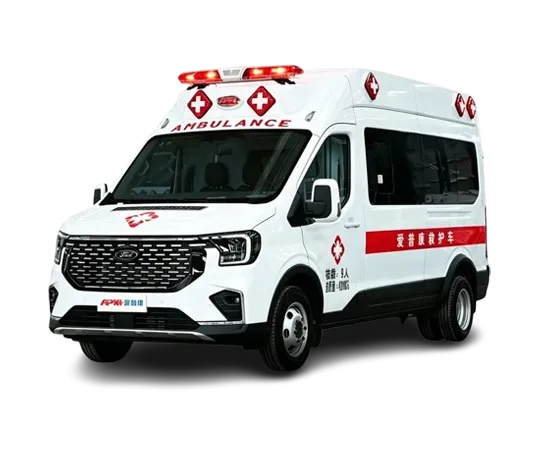
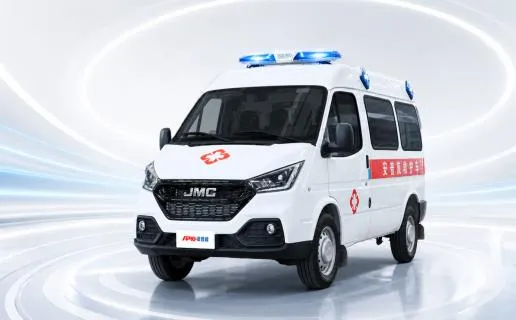
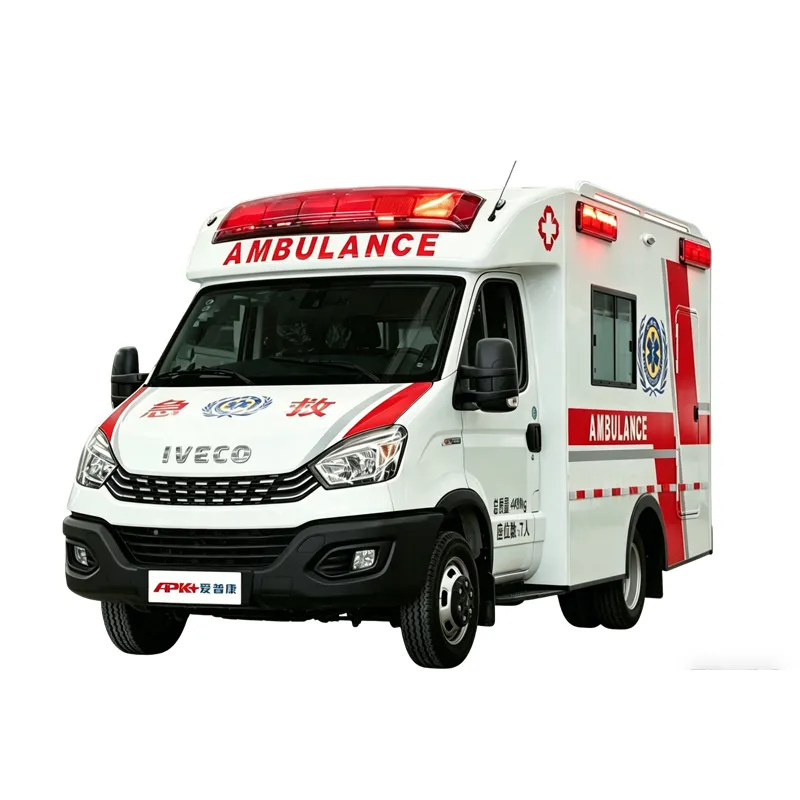
APK’s ICU Iveco series includes different body and cabin options, such as high roof, mid-roof, and modular cabin ambulance configurations. This gives ambulance builders more flexibility when matching the vehicle to local road conditions, medical service models, and customer expectations.
For example, a private rescue fleet may prefer a layout that balances patient comfort and medical staff movement. A local ambulance manufacturer may need a repeatable base configuration for downstream conversion. A rescue station may focus more on durability, oxygen storage, and stable cabin protection in harsh environments.
An iveco ambulance for critical care transport should support patient monitoring, oxygen supply, power systems, equipment storage, safe stretcher access, and stable cabin protection during transfer.
ICU transport is different from ordinary medical transportation. Patients may need continuous observation and medical support while moving between facilities, rescue points, airports, event sites, or emergency response locations. This means the ambulance cabin must be planned as a mobile critical care workspace.
A practical ICU cabin should consider:
· Stretcher loading and locking position
· Medical staff seating and working distance
· Oxygen cylinder storage and oxygen pipeline layout
· Monitor, ventilator, infusion pump, and suction device placement
· AC/DC power sockets and auxiliary power supply
· Medical storage cabinet structure
· Interior lighting and handrail arrangement
· Air conditioning, ventilation, and sealing protection
APK’s ICU Iveco page highlights all-terrain chassis support, large-volume oxygen storage, and triple-seal protection. These features are important for buyers who need the ambulance to perform not only in city roads, but also in complex emergency transport environments.
Different iveco ambulances should be selected according to cabin height, equipment level, patient care requirements, and downstream conversion plans.
High roof configurations are often suitable for ICU ambulance projects that require more vertical cabin space, easier medical staff movement, and more room for medical equipment installation. This can be useful when the vehicle needs to support more complex critical care transport tasks.
Mid-roof configurations can be a practical choice when buyers want a balance between cabin functionality and vehicle maneuverability. For some private EMS fleets or local rescue operators, this type of configuration may offer enough medical working space while remaining suitable for daily emergency transport.
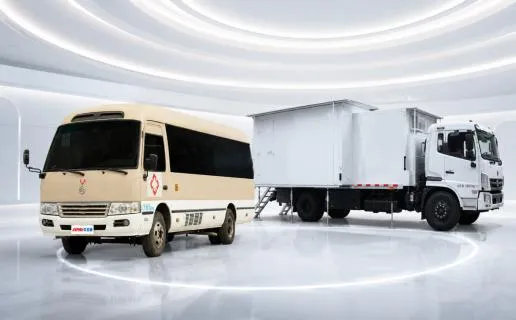
Modular cabin configurations are especially useful for ambulance builders and vehicle modifiers. A modular cabin approach can make the project easier to standardize, localize, and adjust for different end customers. Buyers comparing an iveco eurocargo cabin ambulance concept with APK’s Iveco modular cabin options should confirm the actual chassis, cabin structure, medical layout, and local regulatory requirements before choosing a final solution.
For overseas manufacturers, the key is not to choose a roof type only by appearance. The better approach is to define the medical mission first, then select the cabin solution that matches equipment quantity, working space, patient access, and local market expectations.
Before ordering an iveco ambulance for sale, overseas builders should confirm the target application, local compliance needs, steering requirements, medical equipment list, cabin layout, and exterior design.
Ambulance standards vary across regions. Different markets may have different requirements for emergency lights, sirens, cabin materials, patient compartment layout, medical equipment installation, road registration, emissions, and import documentation. Because APK’s real target buyers include private emergency centers, rescue stations, and overseas ambulance manufacturers, the vehicle should be planned as a project-based solution rather than a generic product.
Before requesting a quote, buyers should prepare:
· Target use: private EMS, rescue station, ICU transfer, commercial medical transport, or local ambulance manufacturing
· Preferred Iveco configuration: high roof, mid-roof, or modular cabin
· Required steering type and market destination
· Seating layout and stretcher arrangement
· Medical equipment list and installation priority
· Oxygen system and storage capacity requirements
· Power supply, sockets, inverter, and battery needs
· Exterior graphics, emergency markings, and fleet branding
· Local compliance references or import requirements
· Estimated order quantity and delivery schedule
This preparation helps APK recommend a more suitable configuration and avoid unnecessary revisions during production planning.
APK supports overseas ambulance projects by providing special-purpose vehicle manufacturing, medical vehicle modification, and customization planning.
Instead of only supplying a fixed vehicle model, APK can tailor the ambulance according to real operating scenarios. The company can adjust internal layout, functional configuration, and exterior design based on the buyer’s target market and application. This is especially useful for overseas ambulance builders that need to develop localized vehicle solutions for their own clients.
Customization can include:
· ICU medical cabin layout planning
· Stretcher and caregiver position design
· Oxygen system configuration
· Medical equipment storage design
· Electrical system and power interface planning
· Ventilation and sealing configuration
· Warning light and siren system
· Exterior color, reflective markings, and logo design
· Reserved interfaces for local medical equipment installation
· Different configuration levels for different budgets
For private EMS operators and rescue stations, this means the ambulance can be adapted to daily workflow. For ambulance manufacturers, it means the vehicle can become a flexible platform for local assembly, branding, and downstream equipment integration.
A successful localized iveco ambulance project should combine the right vehicle platform, ICU-level cabin planning, oxygen and power system design, medical equipment integration, and customization support.
For overseas ambulance builders, private emergency centers, rescue stations, and fleet project buyers, APK’s ICU Iveco series offers a practical foundation for developing localized iveco ambulances. The value is not only in the vehicle itself, but in how well the vehicle can be configured for real emergency transport conditions, local market requirements, and long-term fleet use.
With experience in special-purpose vehicle manufacturing and modification, APK can help overseas buyers plan the right Iveco ambulance configuration. If you are evaluating an iveco ambulance for sale for ICU transport, rescue service, or local ambulance manufacturing, contact APK to discuss your target market, cabin layout, equipment list, exterior design, and quotation requirements.
Yes. APK can customize internal layouts, functional configurations, exterior designs, and medical equipment arrangements according to different project requirements.
It is suitable for private emergency centers, rescue stations, commercial medical transport fleets, ICU transfer operators, and overseas ambulance manufacturers that need a configurable critical care transport platform.
Buyers should confirm the target application, cabin type, steering type, seating layout, stretcher arrangement, oxygen system, power system, medical equipment list, exterior design, and local compliance requirements.
Not necessarily. Buyers may use this term when searching for larger Iveco-based ambulance concepts, but APK’s current ICU Iveco page presents high roof, mid-roof, modular cabin, and ICU Iveco ambulance options. Buyers should confirm the actual chassis and cabin configuration before ordering.
APK combines special-purpose vehicle manufacturing and ambulance modification capabilities, helping overseas buyers develop localized ambulance solutions with customized layouts, equipment configuration, and exterior design.