
Tel:
+86 15680081222
The grassroots level serves as the first line of defense for handling emergencies, public health crises, and disaster rescue operations, and is a critical focal point for building the emergency management system. While my country continues to advance its emergency response infrastructure, persistent shortcomings remain—such as inadequate equipment, low levels of digitalization, poor information coordination, and delayed joint responses. In the face of complex scenarios like natural disasters, accidents, and public health emergencies, relying solely on manual intervention can no longer meet the demands of modern emergency rescue; weak equipment and imperfect systems have become bottlenecks hindering the improvement of grassroots operational capabilities.
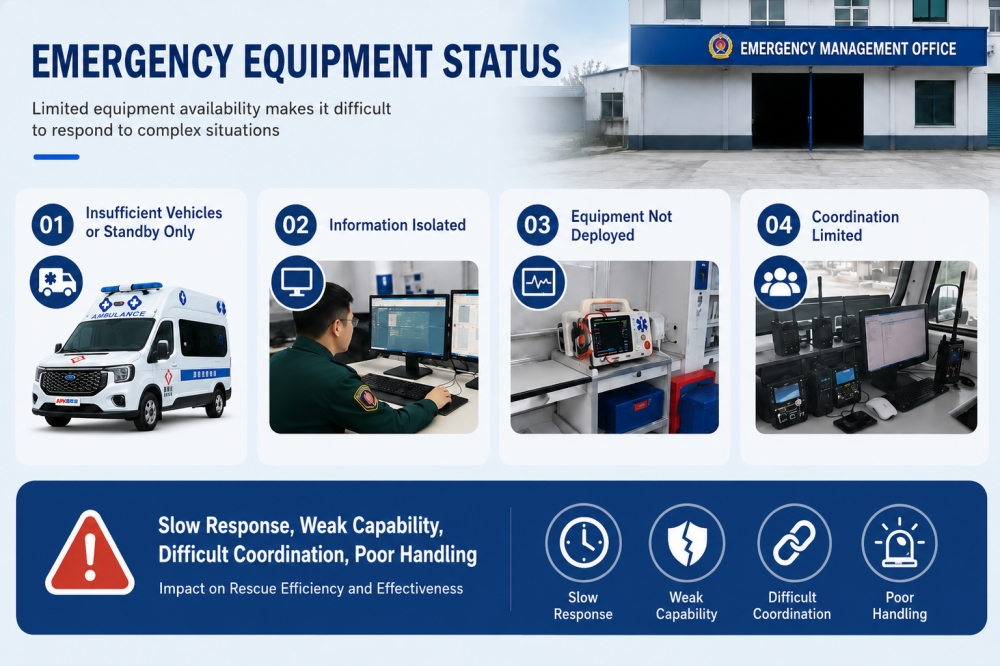
Grassroots emergency agencies are typically based in townships or communities; limited investment in vehicles and medical equipment makes it difficult for them to handle complex scenarios. Common issues include:
● Insufficient or limited vehicle types: A scarcity of ambulances, mobile command vehicles, and fire rescue vehicles, resulting in incomplete coverage;
● Information silos: A lack of data interoperability and synchronization between pre-hospital care and hospitals, leading to slow rescue efficiency;
● Outdated equipment: A lack of capabilities such as real-time vital sign monitoring and remote consultation, making it difficult to provide high-quality emergency care;
● Limited coordination: Personnel, vehicles, equipment, and systems operate independently, preventing the formation of a closed-loop system for unified command and rapid response.
These shortcomings directly result in "slow response, weak capability, difficult coordination, and ineffective handling" at the grassroots level, making it highly likely that the "golden window" for rescue will be missed during sudden disasters, accident emergencies, or mass casualty incidents.
Addressing equipment deficiencies involves more than simply acquiring vehicles or instruments; it requires the integrated application of vehicles, communication equipment, and emergency service systems to build a modern frontline emergency support system capable of rapid arrival, on-site handling, and remote support.
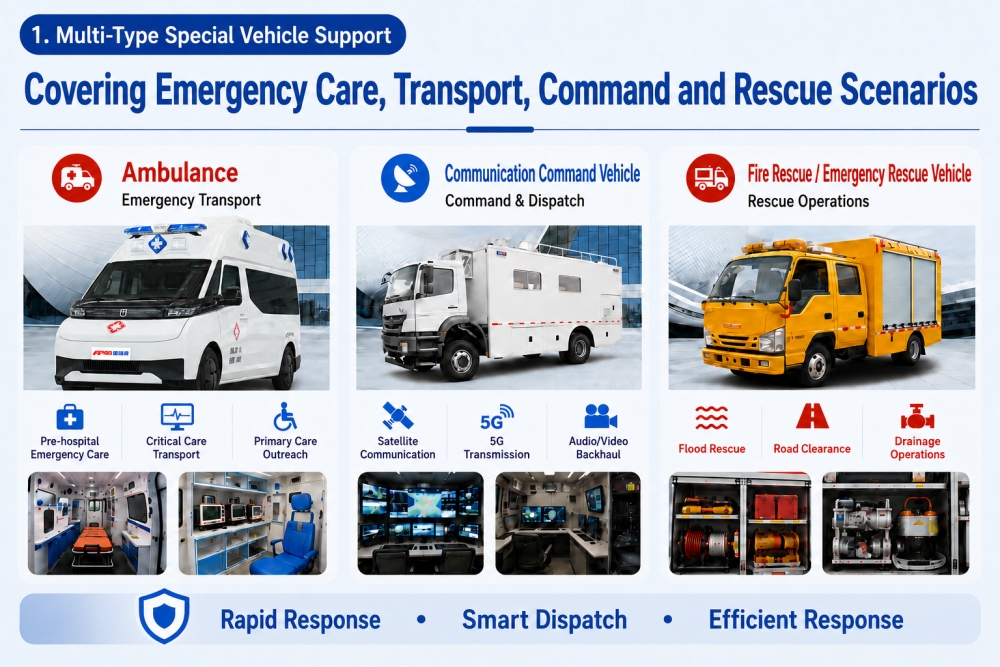
To meet the varied emergency needs at the grassroots level, a differentiated fleet configuration is employed to ensure comprehensive coverage of emergency medical services, patient transport, command and control, and rescue operations:
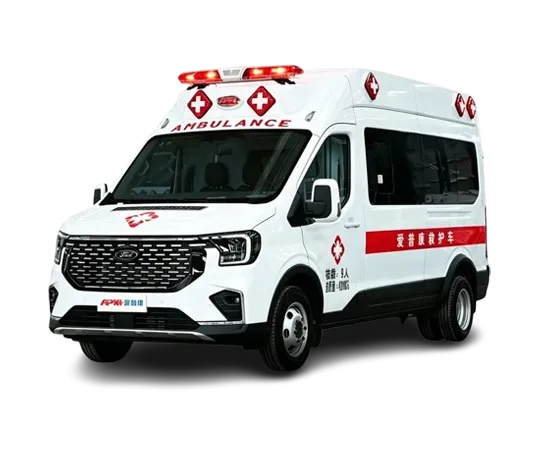
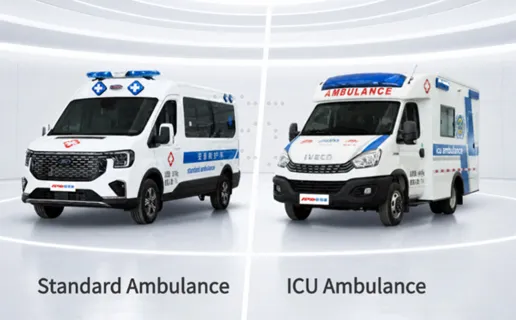
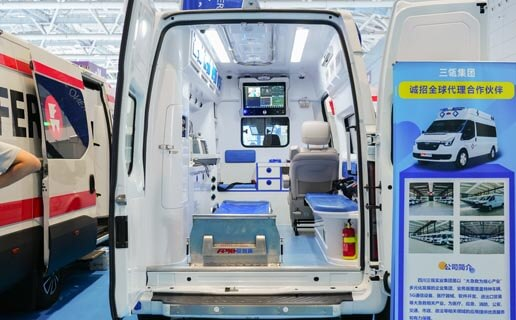
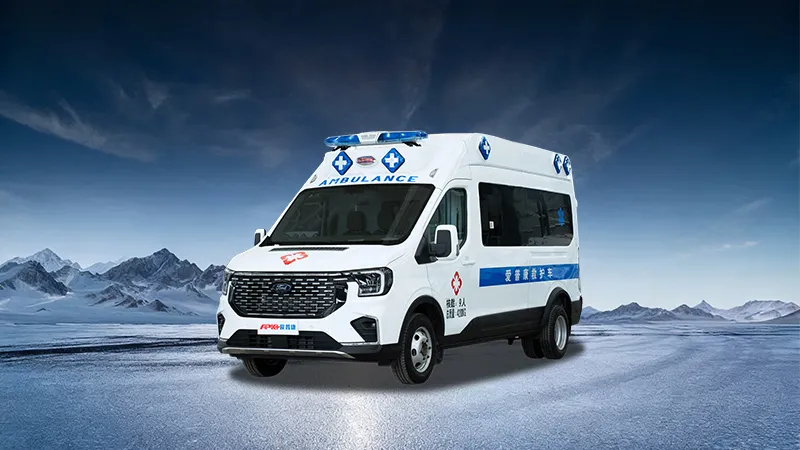
● Ambulances: Critical care and transport ambulances meet needs ranging from routine pre-hospital emergency care and intensive care transfers to patient transport for rehabilitation and mobile medical rounds, thereby bolstering routine medical emergency capabilities at the grassroots level;
● Emergency Communication and Command Vehicles: Leveraging satellite communication, 5G transmission, and real-time audio-video streaming capabilities, these vehicles resolve command and dispatch challenges caused by network outages or a lack of signal at disaster sites, enabling real-time coordination between the scene and higher-level authorities;
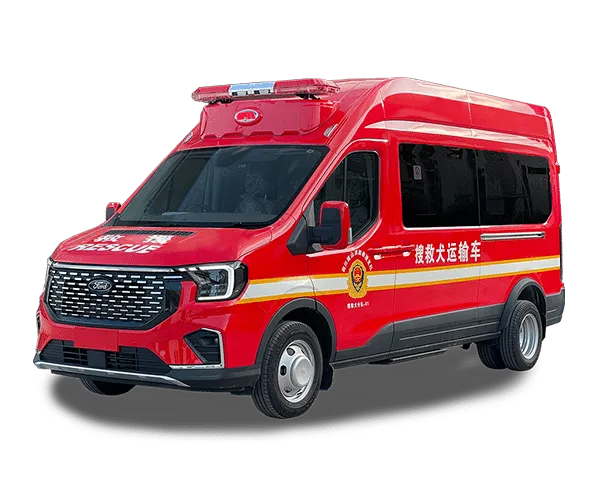
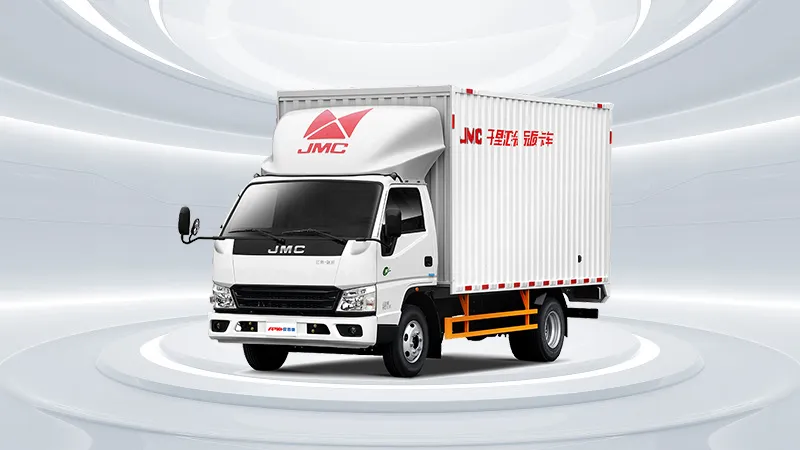
● Fire and Rescue/Emergency Response Vehicles: These provide specialized equipment support for tasks such as flood response, road clearance, and drainage operations.
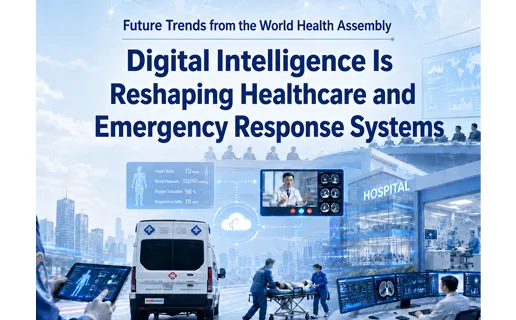
The all-in-one 5G smart gateway integrates with medical devices such as in-ambulance patient monitors, ventilators, and ECG machines, enabling real-time collection of vital sign data, audio-video transmission, and support for remote consultations. On-site information can be rapidly synchronized with command centers and hospitals, ensuring seamless data continuity between pre-hospital and in-hospital care.
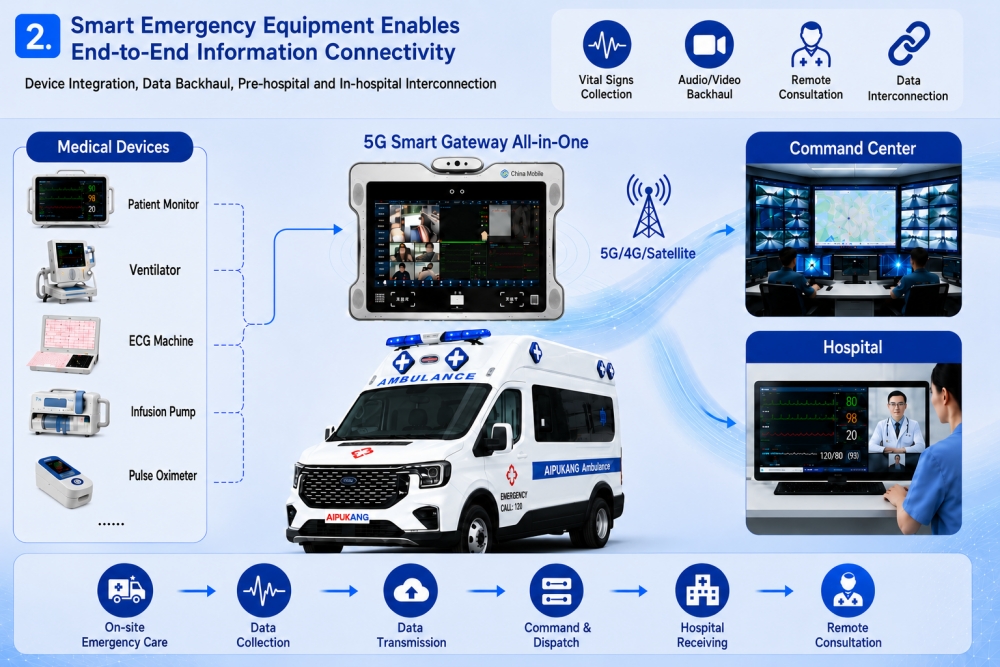
Leveraging pre-hospital emergency service systems, the solution enables end-to-end management covering vehicle positioning, task dispatch, route monitoring, and resource scheduling. By establishing seamless coordination links between emergency centers and medical institutions, the system shifts operations from isolated patient transfers to fully collaborative workflows, thereby boosting the efficiency of emergency response at the grassroots level.
With years of deep expertise in emergency medical equipment, Sanling Group (APK) offers comprehensive solutions that integrate specialized vehicles, operational systems (for both emergency and non-emergency services), and mobile medical equipment. Through equipment upgrades and digitally integrated coordination, Sanling Group helps steadily strengthen grassroots emergency response capabilities, ensuring rapid response, intelligent dispatch, and efficient handling for every rescue mission.